Let’s start with a simple question: have you ever seen a beautiful building that felt wrong once you stepped inside? For instance, the building may be excessively hot, have poor circulation, or have spaces that appear appealing on paper but are not functional in reality. Most of the time, the issue is not a lack of design talent. It is an architecture project planning.
At Manon Design Studio, we believe great architecture does not begin with drawings. It starts with clarity, structure, and intention. Thoughtful architecture project planning is what transforms ideas into spaces that function beautifully, age gracefully, and stay on budget.
Let’s walk through the essential steps together, step by step, like a real conversation you would have before starting a meaningful project!
What Is Architecture Project Planning?
Architecture project planning is the strategic foundation of any successful architectural or interior design project. It aligns vision, feasibility, budget, timeline, and execution before construction begins.
Think of it as the difference between:
- Reacting to problems
- Preventing them entirely
Strong architecture project planning helps you:
- Avoid costly revisions
- Reduce construction delays
- Make more thoughtful design decisions early
- Achieve a space that truly reflects your goals
In short, planning is where success is decided.
Also Read: Understanding Land Use and Planning for Better Architecture
How Architecture Project Planning Step by Step
At our design studio, we see architecture project planning as a journey, one that moves thoughtfully from intention to experience.
Below is a step-by-step, thorough architectural project plan.
Step 1: Defining the Vision
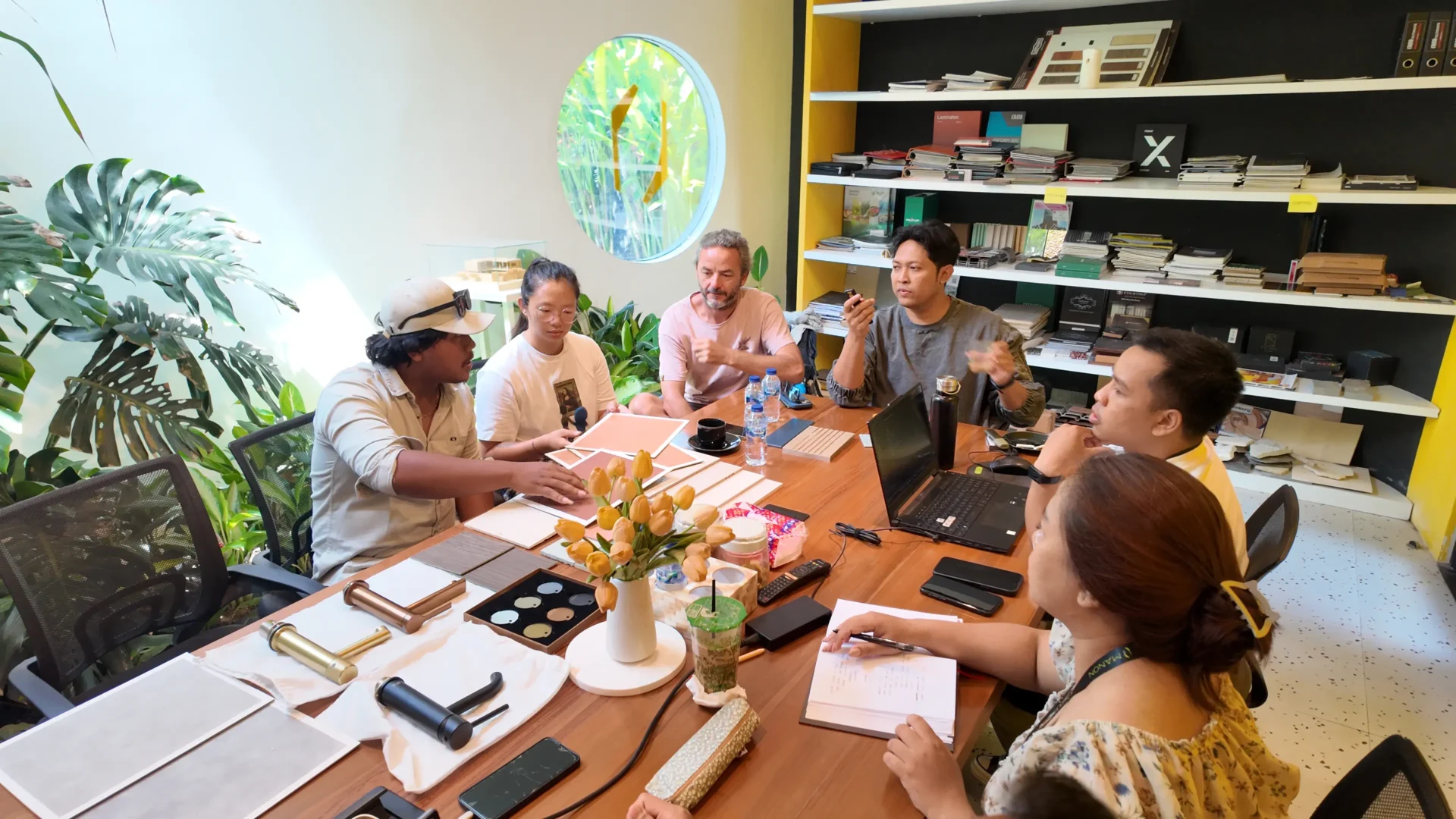
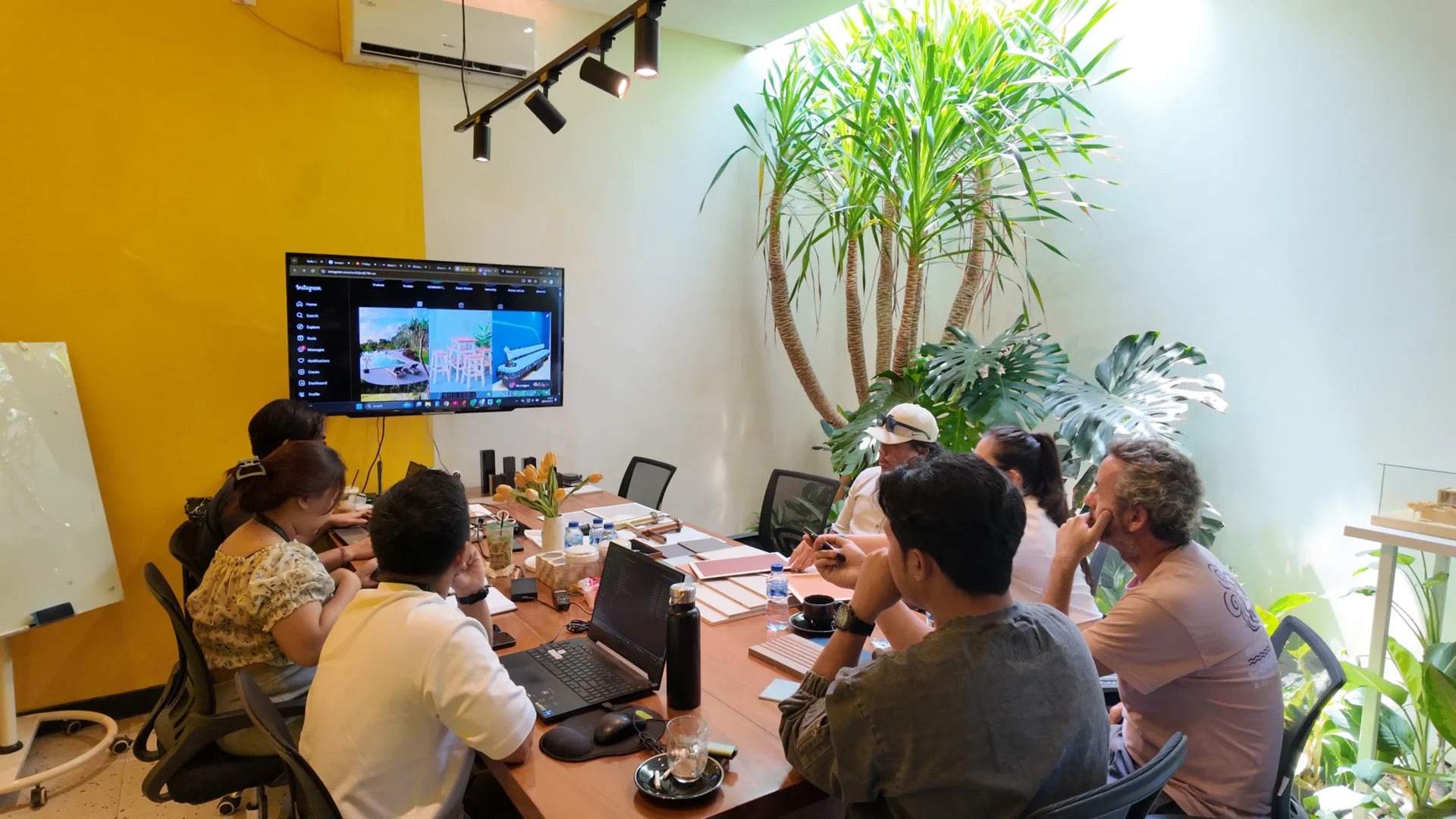
This is the emotional core of architecture project planning. At this stage, we explore not just function, but meaning with our clients. We discuss whether the project is meant to support living, hosting, working, or welcoming. We uncover lifestyle patterns or brand identity, define emotional goals such as calm or openness, and consider how the space should evolve.
Key elements explored here include:
- Purpose: Residential, hospitality, commercial, or mixed-use
- Lifestyle or brand character
- Emotional atmosphere and spatial intention
- Long-term adaptability and future growth
At Manon, we listen deeply during this phase. Once the vision is clear, every subsequent design decision becomes purposeful, connected, and meaningful for the project until it is done.
Step 2: Site Analysis
Thoughtful architecture project planning treats the site as a design partner, not a backdrop. In Bali, the climate, culture, adat (traditional customs), and local regulations shape how buildings are realized. Understanding the land means understanding much more than topography.
When we plan a project, we study how sunlight moves across the site throughout the day, how seasonal winds and tropical rainfall patterns affect comfort and ventilation, and how the surrounding context influences views, privacy, and microclimate.
In traditional Balinese bioclimatic architecture, ancestral designers already practiced these principles: elevated floors, high ceilings, strategic layout around a central natah courtyard, and natural airflow strategies are all designed to maximize comfort in a humid tropical climate, long before modern HVAC systems existed. (ISI Denpasar, Penerapan Arsitektur Bioklimatik pada Rumah Tinggal Tradisional Bali, 2020)
Moreover, in Bali’s building environment, climate responsiveness is inseparable from cultural values and regulatory realities. Design orientation often respects local cosmologies,s such as:
- Kaja–kelod (mountain–sea)
- Kangin–kauh (east–west)
The area is to align buildings with spiritual and environmental balance. (Sistem Informasi Wilayah dan Tata Ruang Bali, Kondisi Sosial‑Ekonomi Budaya dan Pengaruhnya terhadap Penyelenggaraan Bangunan Gedung, 2025)
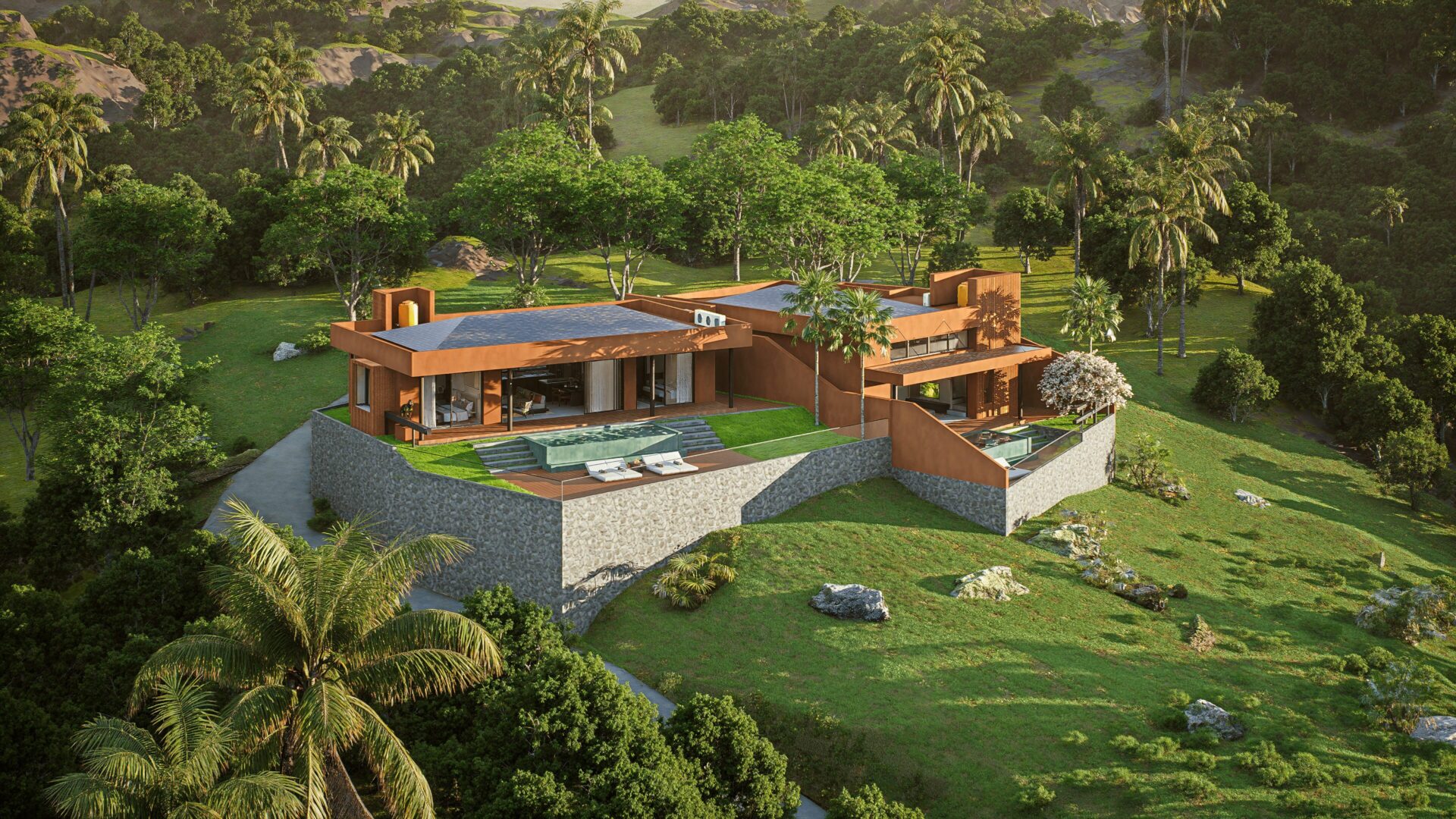
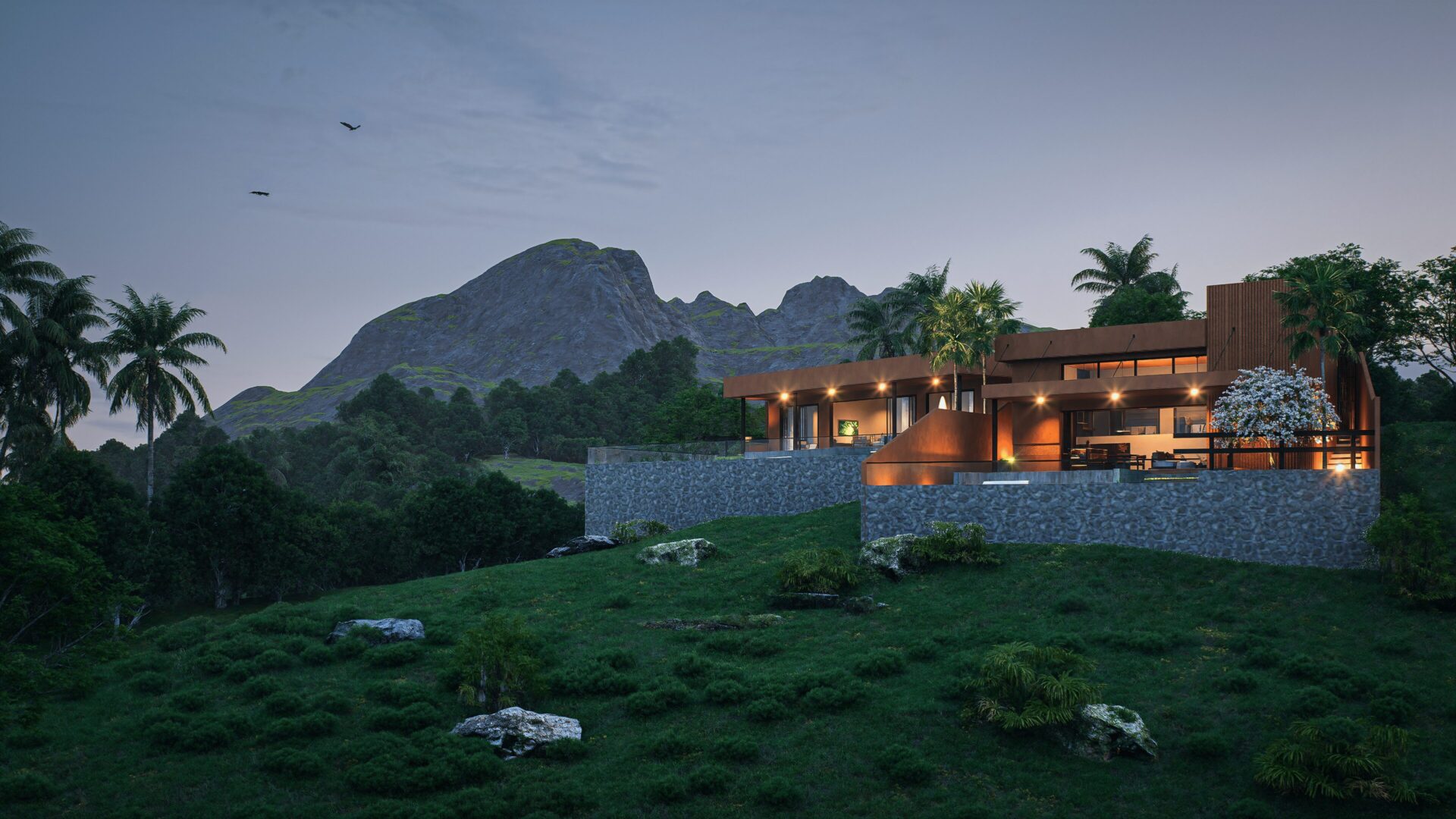
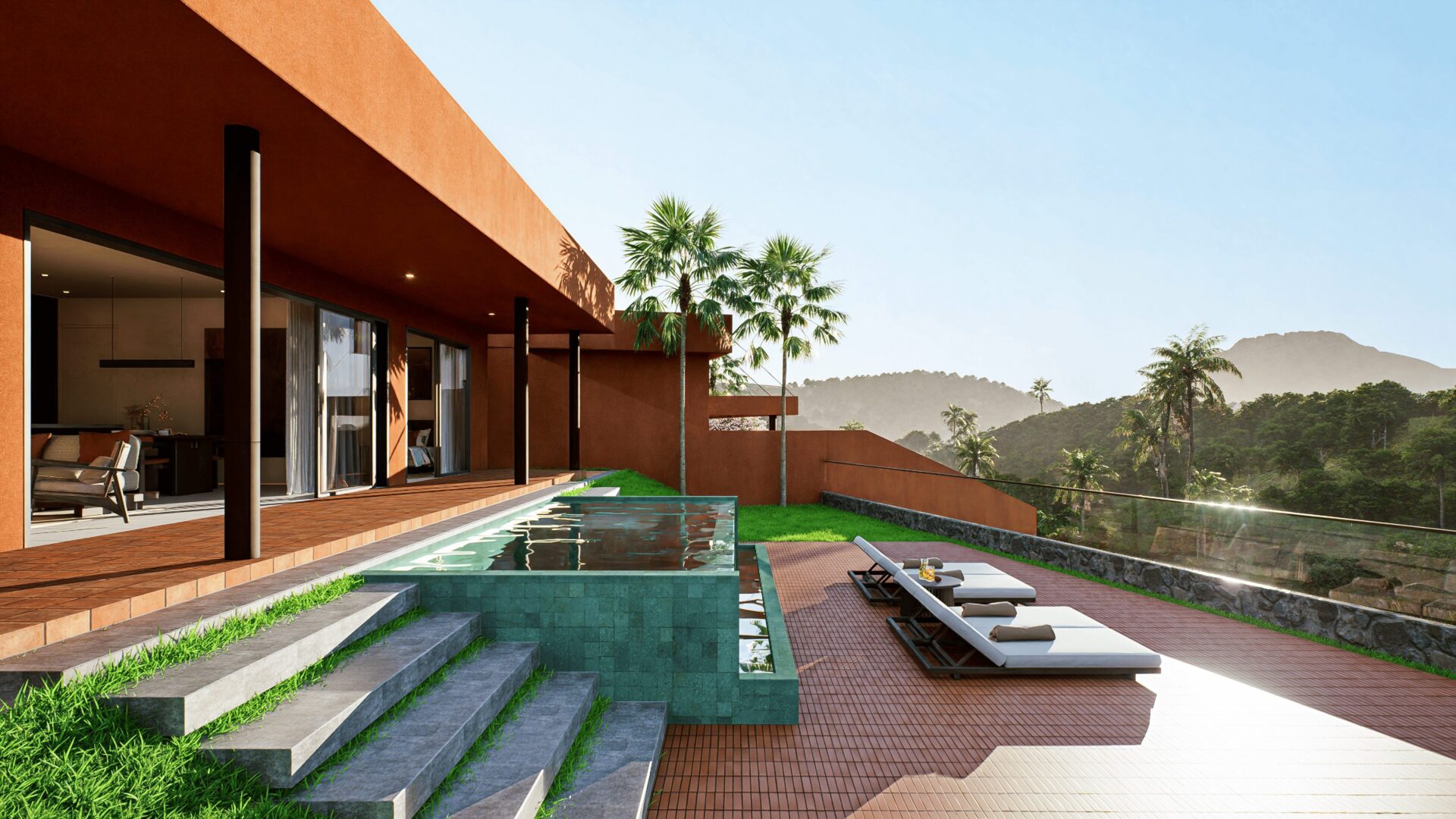
For example, in our recent project, Villa Volcano Whisper, the owner was deeply aware of the land and wanted a home that does not compete with nature, but listens to it. The result is a space that feels calm yet alive, where the volcano, sea, and sky become part of your daily rhythm.
To make this possible, we ensure compliance with local planning regulations that embed cultural identity into this design process. Bali’s Perda Provinsi Bali Nomor 5 Tahun 2005 tentang Persyaratan Arsitektur Bangunan Gedung encourages the use of traditional architectural character in new buildings — including design cues from traditional roofs, gateways, and material palettes — to reinforce cultural continuity while allowing modern interpretation. (Sistem Informasi Wilayah dan Tata Ruang Bali, Prinsip‑prinsip Arsitektur Tradisional Bali dalam Pembangunan Pariwisata Berkelanjutan, 2024)
Source: https://manondesignstudio.com/
Understanding climate and culture is not just aesthetic for us, but it is practical. Bali’s tropical rainfall, high humidity, and abundant daylight demand strategies that prevent heat gain, promote cross‑ventilation, and manage moisture effectively for this villa.
Traditional vernacular forms — such as open pavilions, deep overhangs, and permeable shading — are being revisited in contemporary design because they work; they keep interiors comfortable without unnecessary energy use.
When the land is understood — not ignored — architecture, which in this case is Villa Volcano Whisper, becomes effortless. Buildings sit naturally, breathe comfortably, and belong to their environment rather than compete with it.
In Bali, this means merging climate‑responsive bioclimatic strategies with profound respect for cultural principles and regulatory frameworks — and this is how timeless architecture is formed by our dedicated team.
Step 3: Budget Alignment
Next, a strong architecture project planning step that aligns creativity with realism. Great design is not about unlimited budgets; it is about intelligent choices. Early budget clarity allows us to prioritize what truly matters for our clients, whether that is spatial quality, material longevity, or construction precision.
Budget alignment mostly focuses on:
- Realistic investment ranges
- Strategic prioritization of key elements
- Balance between aesthetics, durability, and cost
- Early contingency planning
When budget and design speak the same language, the process feels confident rather than stressful. There is clarity instead of compromise.
Step 4: Concept Design
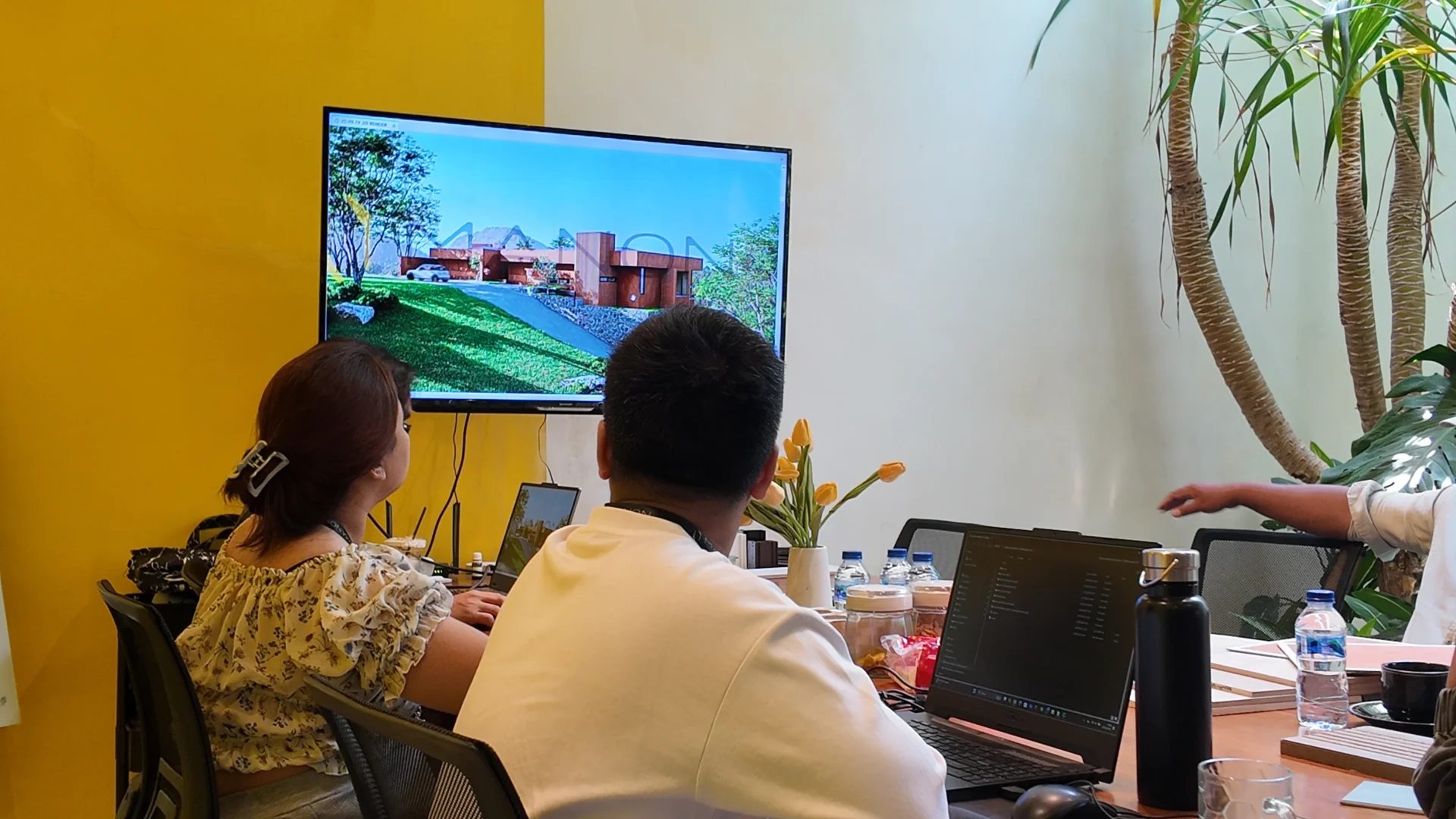
This stage is the moment when planning begins to look and feel like architecture.
Guided by our clients’ vision, site, and budget, the design concept begins to take shape. Spatial flow, proportions, indoor–outdoor relationships, architectural language, and early material direction are explored together. Nothing is forced. Everything is tested against the original intent.
However, in this step, respecting adat (customary practices) and engaging with banjar and local community expectations early in the process is crucial. Social acceptance can be just as important as formal permits, because our communities are protective of our cultural landscape and can influence project momentum. (Synergy Pro, Avoid Demolition! 4 Critical Construction Rules in Bali, 2025)
In architecture project planning, this stage is not about chasing perfection; it is about alignment with the land and adat or local culture.
Does the design respond to the brief?
Does it respect the site?
Does it feel right?
If the answer is all yes, the concept moves forward. If not, refinement occurs here early, when changes strengthen the project rather than disrupt it later.
Step 5: Detailed Planning and Documentation
Detailed drawings and comprehensive documentation turn our clients’ ideas into clarity. When our designers understand the design intent, materials are clearly defined, and structural and MEP systems are fully coordinated, the project can run smoothly for everybody.
At this stage, architecture project planning helps to:
- Minimize errors during construction
- Reduce delays and misinterpretations
- Control quality and consistency
- Protect the budget and timeline
This phase may seem technical, but in reality, it is strategic. Precision here prevents on-site issues and ensures the design is built as intended.
Step 6: Collaboration With Consultants and Builders
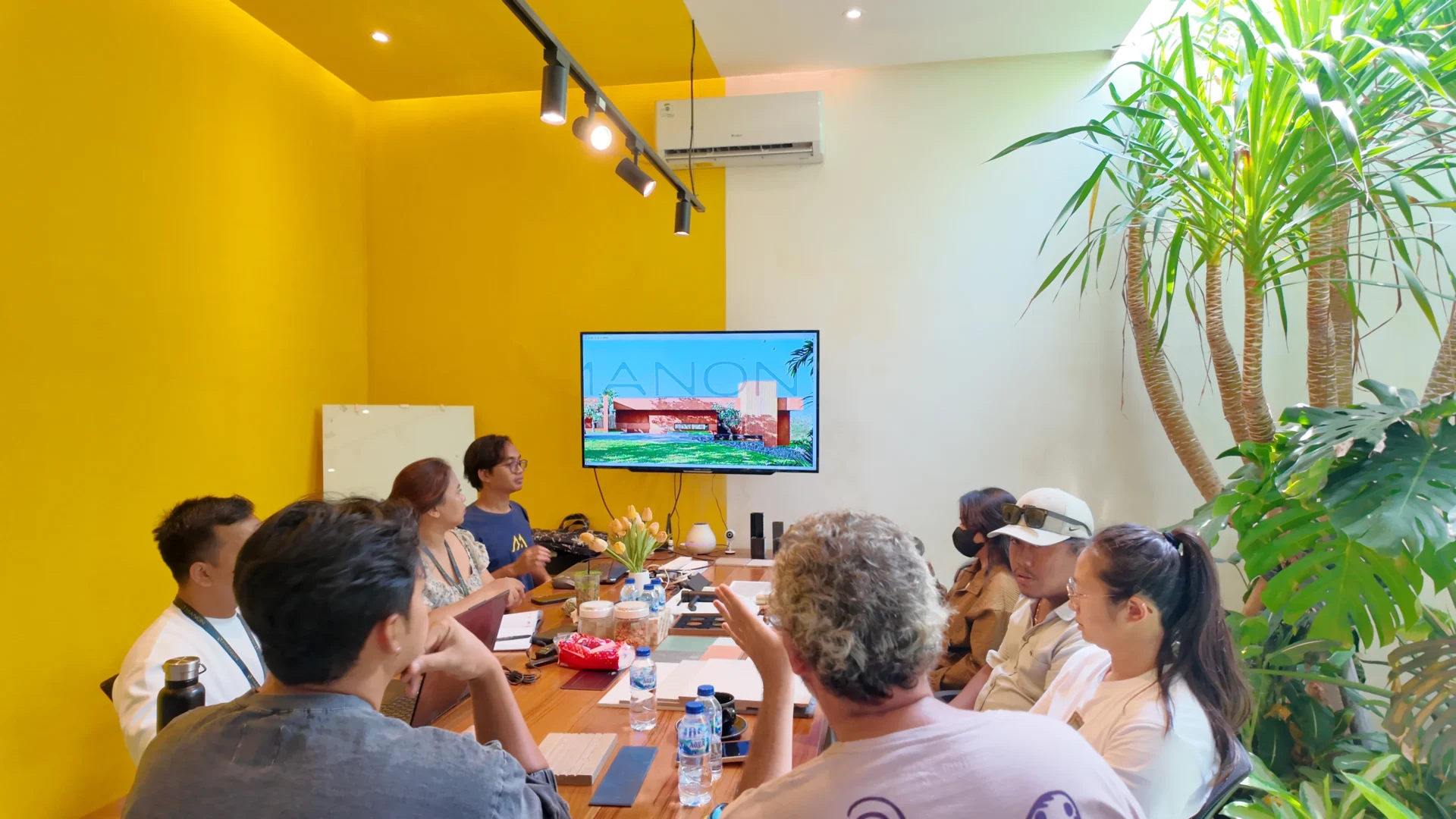
Successful architecture project planning brings together engineers, MEP consultants, landscape designers, interior designers, and builders around a shared vision. Collaboration is not about compromise; it is about alignment.
And at Manon Design Studio, we believe the strongest projects come from open communication and mutual respect. When every consultant understands the purpose of the design, execution becomes smoother, decisions become faster, and results become stronger.
Working with us is easy; just tell us your dream space, like our Villa Volcano Whisper client did, and we will handle the rest to make it a reality. Contact us and let’s make it happen!
Step 7: Construction Phase
What matters is how prepared the project is to respond. With solid architecture project planning, challenges become manageable instead of chaotic. Design supervision, site coordination, quality control, and consistency of design intent guide the project from start to finish.
Remember, planning does not end when construction begins; it continues to support decisions through to final handover.
Step 8: Post-Completion Reflection
After completion, the architecture project planning continues through evaluation. We analyze what worked, what did not, and how the space is used. This reflection allows your architecture to evolve. It is how Manon continues to design spaces that feel human, intelligent, and deeply connected to real life.
Learn more about how Villa Volcano Whisper was brought to life here.
Tropical Challenges in Architecture Project Planning
Furthermore, today, Bali projects are also influenced by emerging delivery trends. Design–build and fast-track methods allow our clients to bring villas and resorts and houses, etc to life more efficiently, while ensuring compliance with sustainability standards like tropical climate responsiveness and energy efficiency.
These approaches demand precise coordination, integrated design, and proactive planning — especially critical in humid, rainy environments where construction windows are limited.
Tropical challenges in Bali that we used to face amplify the need for site-aware design, such as:
- Heavy seasonal rainfall requires roof design, drainage, and moisture management
- High humidity aaffectsmaterial selection and finish durability
- Strong sunlight demands shading strategies and natural ventilation
- Community and adat considerations, where banjar approvals and traditional spatial customs influence orientation, setbacks, and landscape design
By integrating climate, culture, regulations, and modern project delivery trends, our approach ensures that your architecture is not only timeless in aesthetics but also efficient, resilient, and sustainable, ready to meet the demands of both today and the evolving tropical lifestyle.
Also Read: Master Plan Power: Smart Property Investment, More Profits
Our last words, architecture project planning is what turns your ideas into environments that support living, working, and belonging. In our expert team’s hands, we believe that good planning is the secret to timeless architecture. It is not just about drawings on paper, but it is about intention, purpose, and crafting environments that grow with you.
Ready to start a project that is built on meaning? Reach out to us, and let’s design a space that not only looks beautiful today but also remains inspirational for years to come.