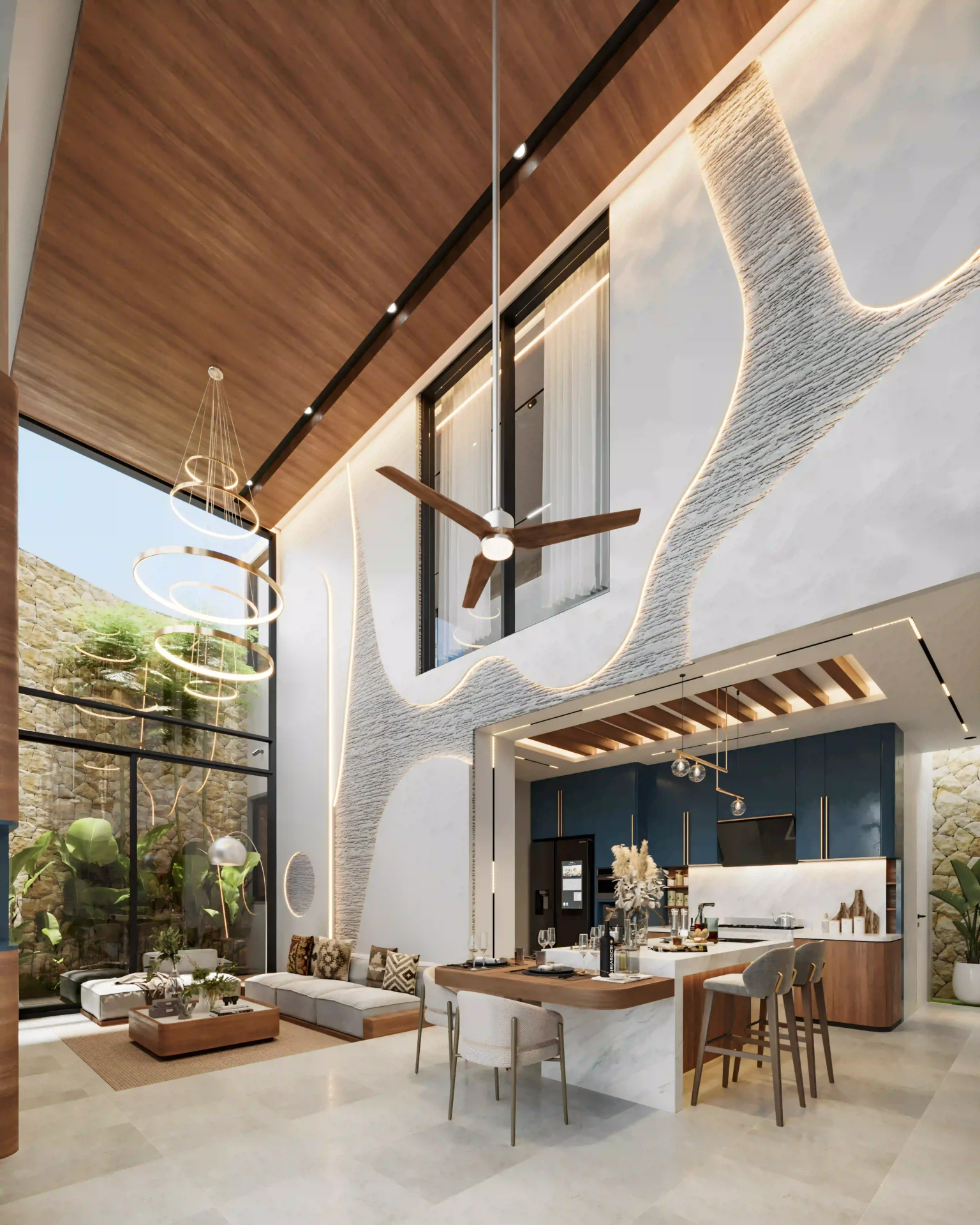
Great spaces do not just look beautiful, they move beautifully. When you walk through a building, and everything feels natural, comfortable, and intuitive, that’s the quiet magic of well-crafted circulation in architecture.
Circulation in architecture shapes how people move through a space, whether it is a warm family residence, a charming neighborhood café, or an expansive public facility. It is an essential design layer that quietly influences how welcoming, functional, and enjoyable a place feels, often without anyone realizing it.
Ready to dive a little deeper? Let’s explore how this subtle design element transforms the way we experience architecture!
Why Circulation in Architecture Matters
Circulation in architecture goes far beyond hallways and doorways. It is about how people move, how light travels, and how air flows through space. When done thoughtfully, circulation becomes the invisible framework that makes a building feel comfortable, intuitive, and alive.
Great circulation does not call attention to itself. You simply feel it, like a natural rhythm that guides you from one area to the next without confusion or friction.
At Manon Design Studio, this principle plays a central role in every project. The goal is always to create environments that not only look beautiful but also support how people live, work, and interact.
Also Read: Master Plan Architecture for Future Urban Spaces
Key Aspects of Circulation in Architecture
When it comes to circulation as a key aspect of architecture, let’s use one of our projects—Bali Dian Apartment—as an example to make it easier to understand.
Here are a few key points to look out for:
1. Movement of People
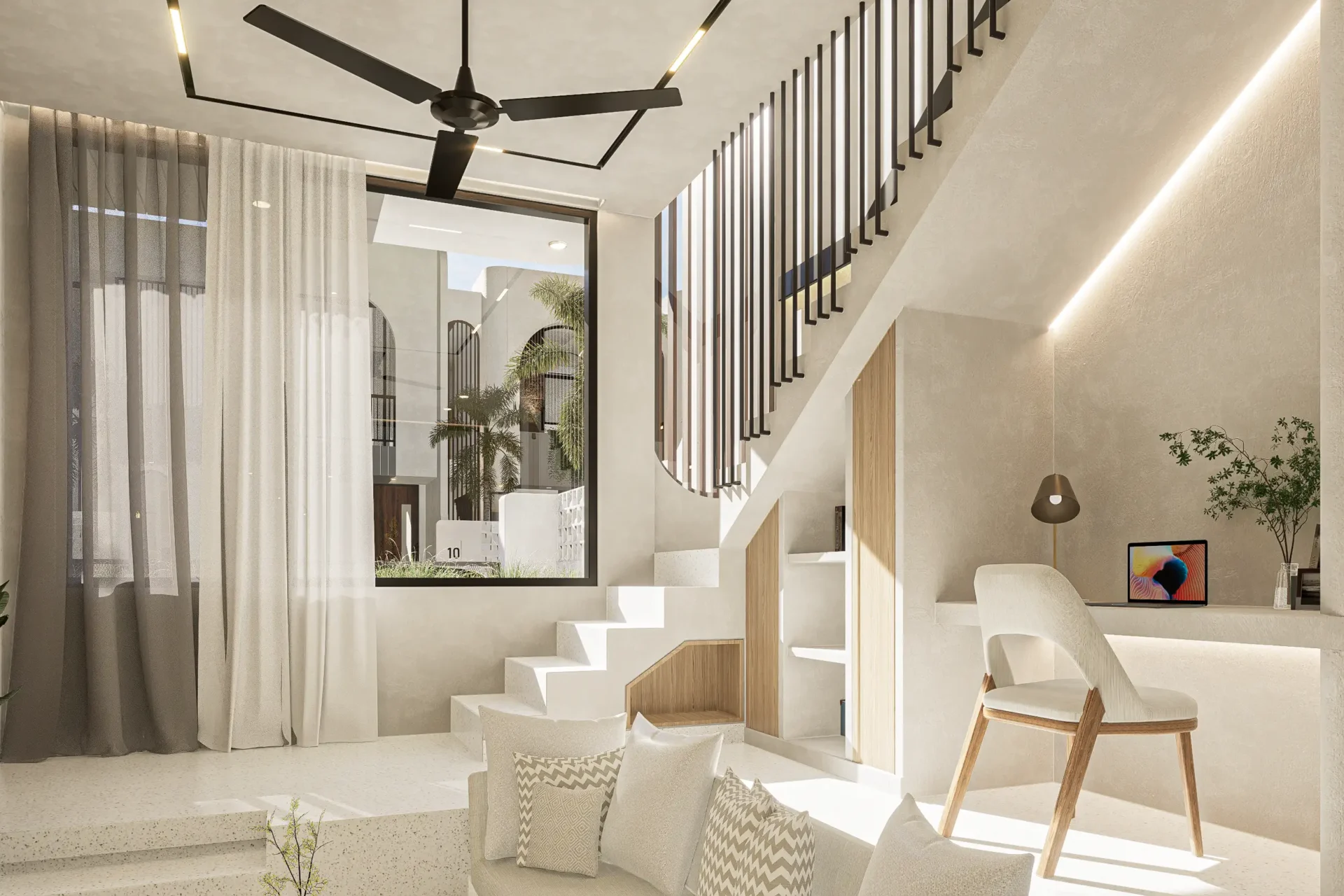
This is the heart of circulation in architecture. Think of it as the “flow” of daily life, whether it is the smooth transition from living room to kitchen in a home or the ease of navigating a resort lobby.
Horizontal paths like corridors and walkways, paired with vertical connections such as staircases and lifts, shape how comfortable and intuitive a space feels. When these transitions feel effortless, people naturally engage more with their environment and with one another.
2. Flow of Natural Light
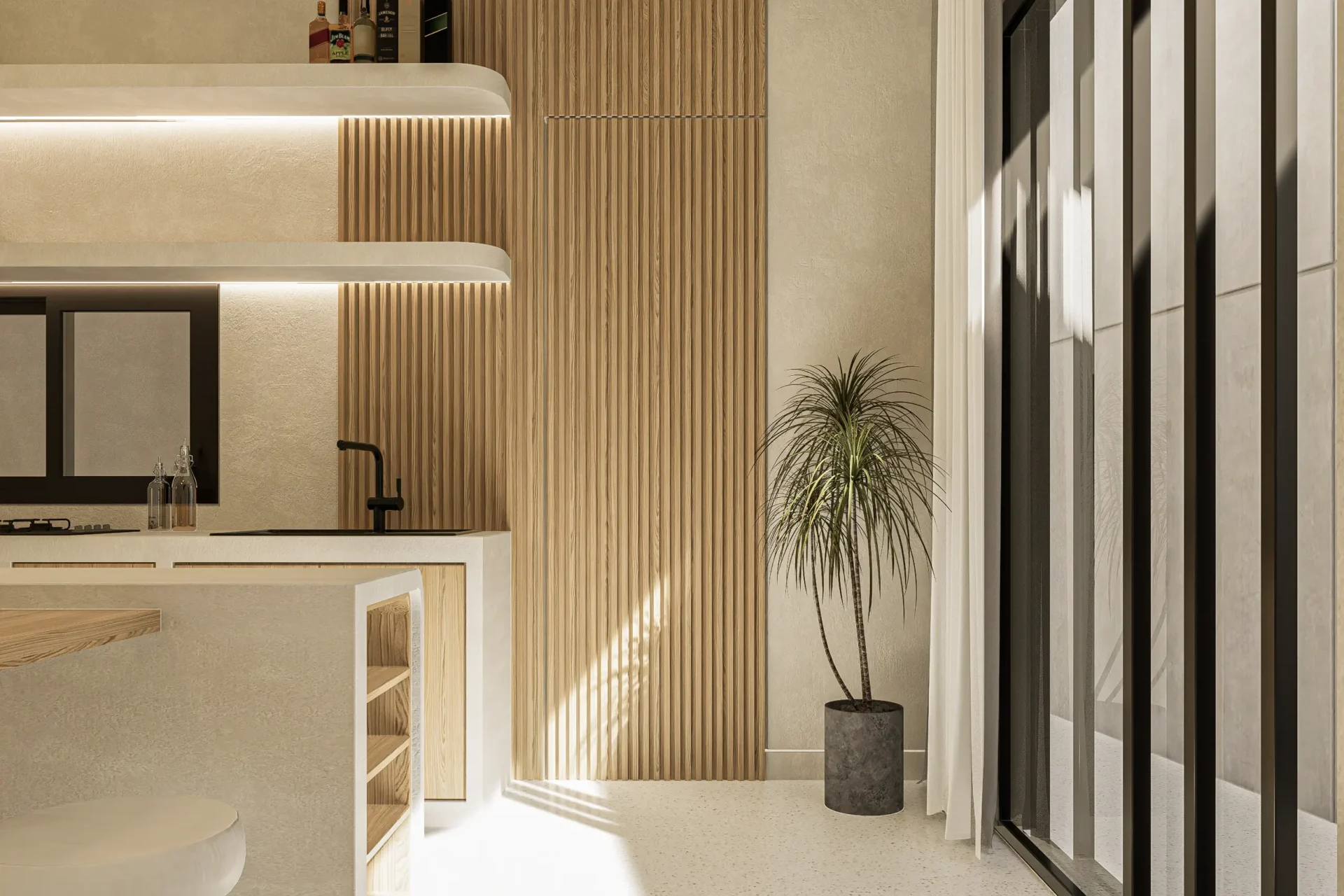
Natural light acts almost like a living presence within a space, drifting from room to room, shifting with the sun, and subtly shaping the atmosphere as it moves. The way it glows, reflects, and transforms throughout the day has a powerful influence on how a space feels.
Thoughtful circulation in architectural design makes the most of this movement, placing windows, openings, and layouts intentionally so every area feels naturally illuminated, inviting, and warm.
Bali Dian Residence is a perfect reference if you want a home that feels open, airy, and full of natural light.
3. Ventilation and Airflow
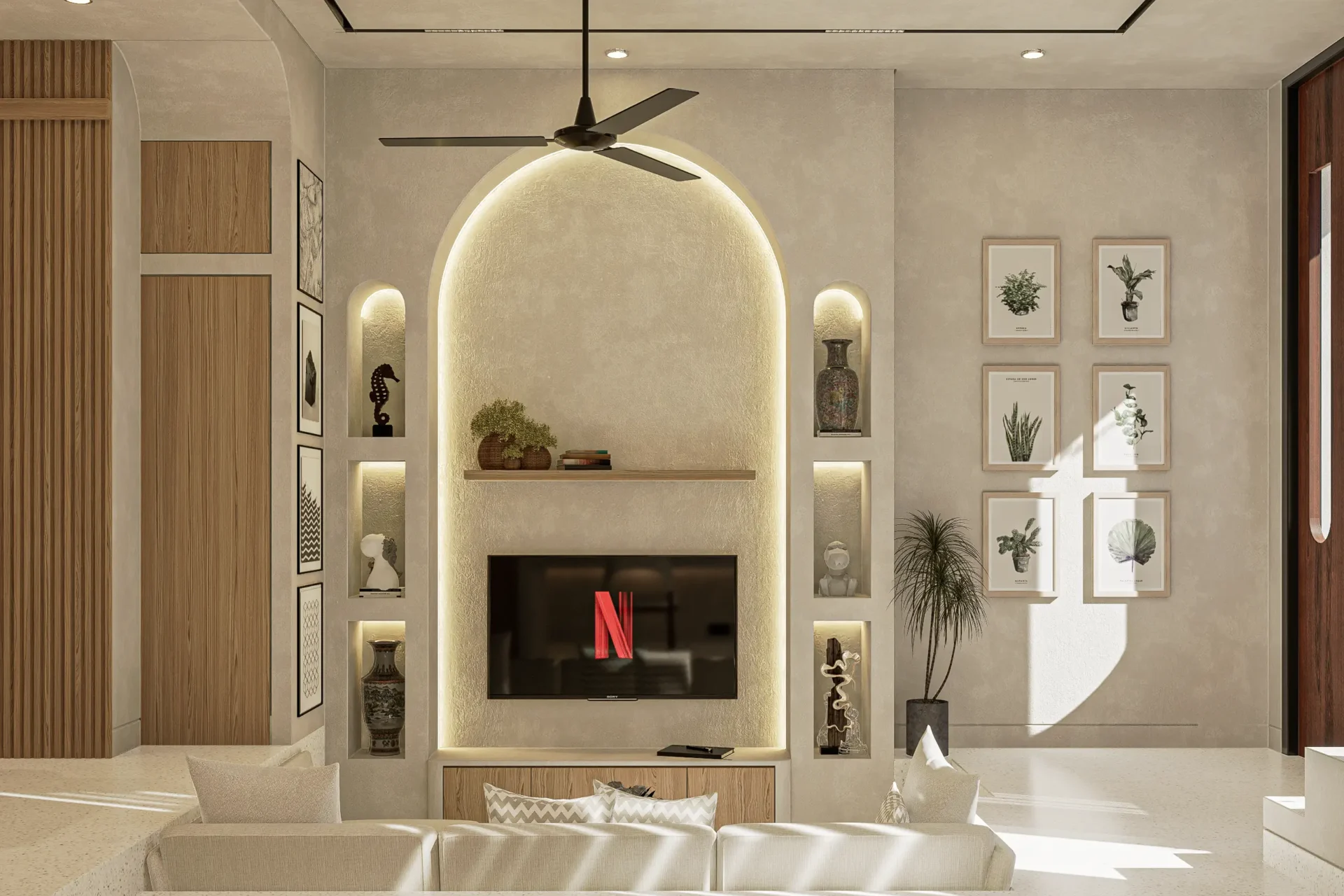
Air circulation is just as essential. When spaces are well ventilated, they feel refreshing and healthy. Windows, voids, openings, and structural alignments all contribute to channeling natural ventilation.
Good airflow not only improves comfort but also enhances well-being and reduces reliance on mechanical cooling.
Also Read: Need a Calm Home? Try Mediterranean Interior Design
Types of Circulation That Shape a Building
When we talk about designing circulation in architecture, we are essentially shaping how people move, pause, and interact within a space. In tropical Indonesian architecture, circulation is not only about efficiency, but it is deeply influenced by climate, lifestyle, and cultural patterns.
In Indonesia, especially in places like our beautiful land, Bali, circulation often responds to heat, humidity, and rainfall. Paths are designed to follow shaded zones, capture natural breezes, and connect indoor and outdoor areas seamlessly. Verandas, open corridors, transitional spaces, and semi-outdoor walkways are common circulation elements that allow movement while maintaining comfort in a warm, humid climate.
Moreover, culturally, circulation also reflects how spaces are shared,l ike separating public, semi-private, and private areas, while still allowing fluid movement for daily activities, family gatherings, and ceremonies. When circulation is thoughtfully planned in this context, your buildings feel breathable, intuitive, and aligned with the rhythms of tropical living.
And basically, there are two main types of circulation that architects in Bali focus on:
1. Horizontal Circulation
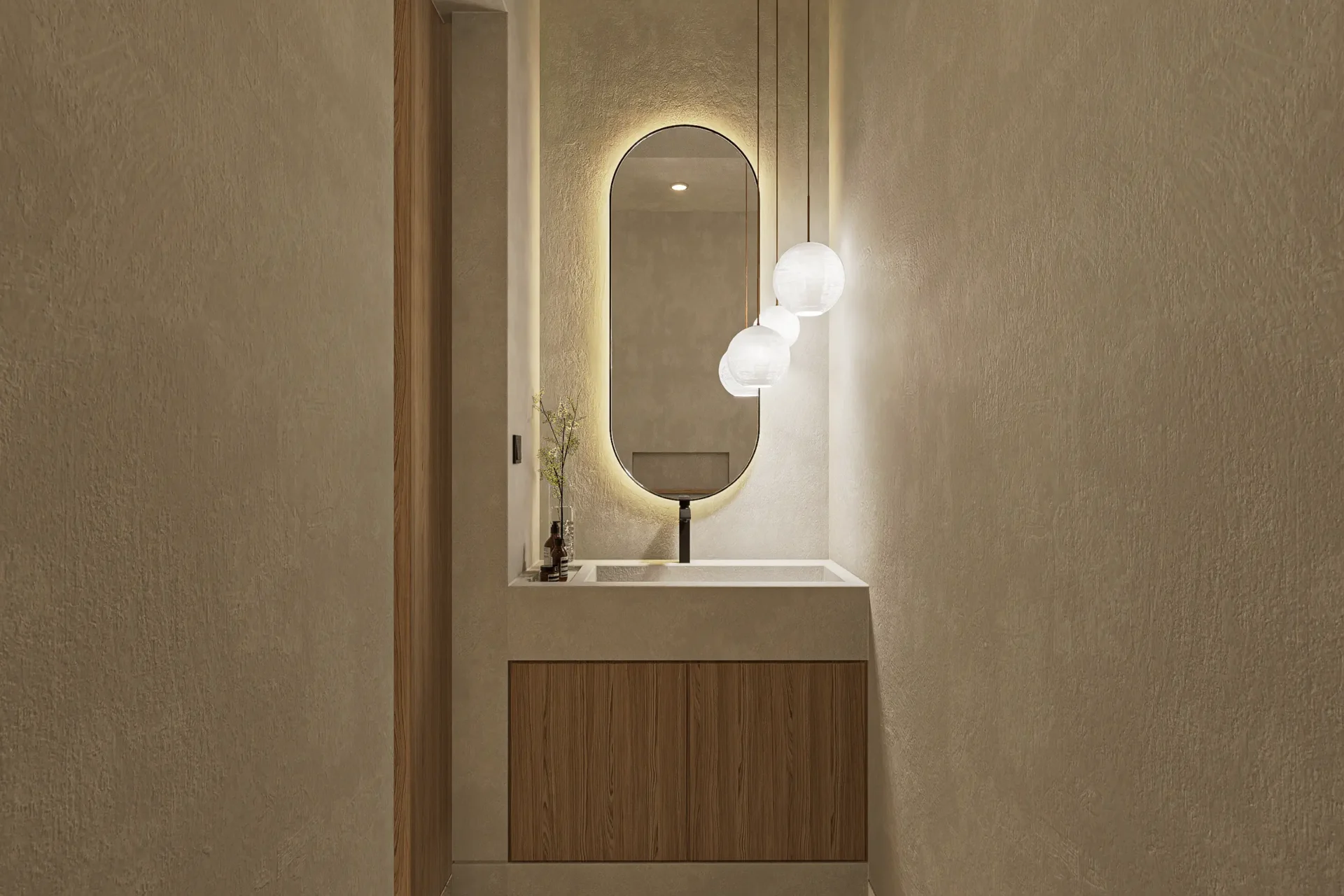
It focuses on how we move across a single floor, whether it is strolling down hallways, navigating corridors, or crossing open areas. Think of it as the natural pathways connecting one room to the next without changing levels.
2. Vertical Circulation
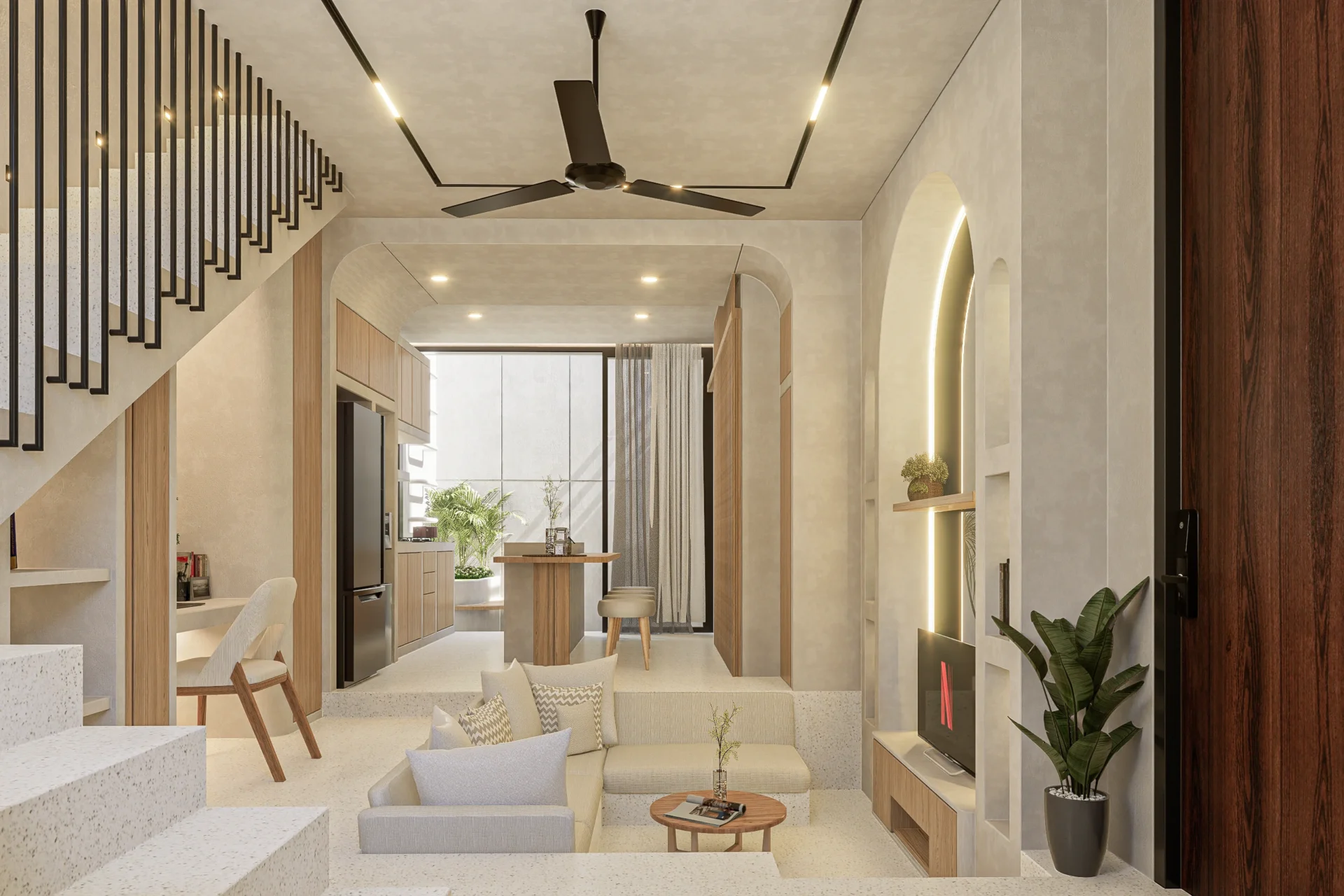
This covers the ways you move between floors, such as stairs, ramps, and elevators. They do a lot more than just connect different levels; their location and design affect how accessible the building is for everyone, how safe it is in emergencies, and how smooth your journey feels when going up or down. Good vertical circulation means no awkward detours or crowded bottlenecks.
When horizontal and vertical circulation work together like a well-rehearsed team, they create the building’s flow and rhythm. This balance is what turns good architecture into great architecture, making every visit pleasant and intuitive!
Tips for Improving Circulation in Architecture
To help you design spaces with smooth and effective movement, here are some practical tips for improving circulation in architecture:
- Keep pathways wide and clear: Avoid clutter and narrow hallways to ensure movement is comfortable and safe.
- Place vertical circulation strategically: Position stairs and elevators near main activity areas to reduce walking distances and improve accessibility.
- Use visual cues: Use lighting, colors, or floor patterns to guide people naturally along circulation routes.
- Create open transitions: Design smooth connections between rooms and corridors to maintain a sense of flow.
- Consider user needs: Think about how different people (e.g., those with mobility aids) will navigate the space to ensure inclusivity.
These simple steps can make a big difference in how easily and enjoyably people move through a building.
Also Read: Explore Top Types of Interior Design Styles
The power of effective circulation in architecture lies in its ability to create spaces that feel intuitive, uplifting, and alive. When people, light, and air can move freely, everything else, function, comfort, beauty, and emotion, falls into place.
If you are planning a new project or reimagining an existing one, and you want spaces that feel natural, vibrant, and beautifully connected, let’s bring those ideas to life.
Reach out to us or send your ideas to our team today, and start designing spaces that move with you.