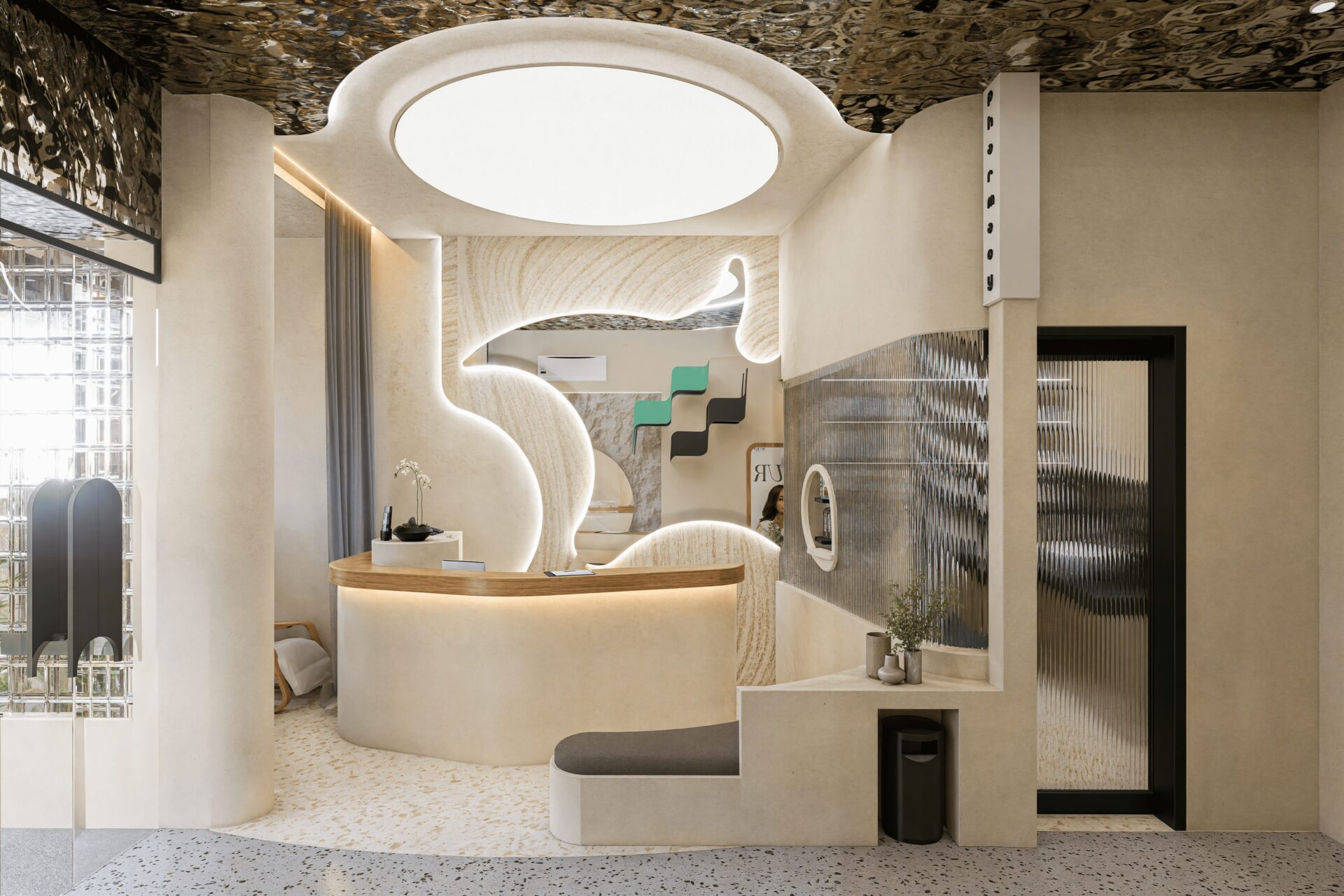
The space where you work shapes the way you think, focus, and create. Whether you are working from a home office, a creative studio, or a corporate workspace, the design of that environment can directly influence how productive you feel throughout the day.
In recent years, interior design trends have shifted beyond aesthetics. Instead of simply making a room look attractive, designers now focus on creating environments that support mental clarity, comfort, and efficient workflows.
For many professionals, a well-designed workspace helps reduce distractions and encourages better concentration. Small details like lighting, color choices, and spatial organization can make a noticeable difference in how a room feels and functions.
Because of this, more businesses and individuals are exploring how modern interior design trends can transform ordinary workspaces into environments that support productivity and creativity.
Understanding Interior Design Trends in Modern Workspaces
Before we are exploring specific ideas, it helps to understand what interior design trends actually represent.
These trends refer to evolving design approaches that shape how spaces are planned, decorated, and experienced. In modern workspaces, interior design trends often focus on several things, including:
- Improving productivity
- Balanced lighting
- Improving comfort
- Calming color palettes
- Improving well-being by combining thoughtful layouts
Rather than following aesthetics alone, these trends emphasize human-centered environments that support focus, creativity, and daily workflow.
Furthermore, today’s workspace design is influenced by how people work. Remote work, hybrid offices, and creative industries all require spaces that feel flexible and inspiring. As a result, modern interior design trends often prioritize natural elements, adaptable layouts, and thoughtful lighting systems.
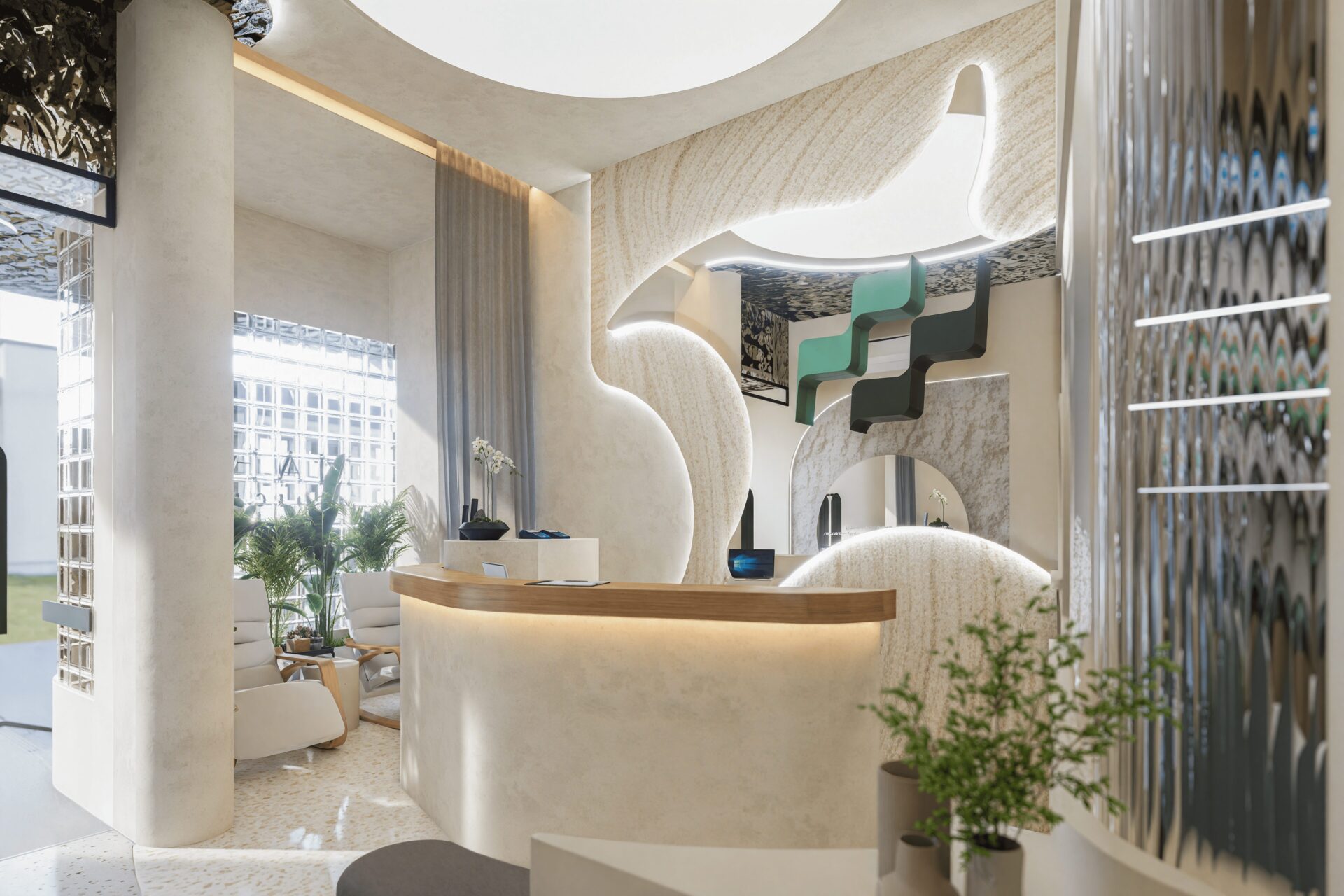
Many designers also take inspiration from environments that naturally encourage calm and focus.
For example, Bali-inspired interiors often incorporate organic materials, open layouts, and natural lighting to create balanced spaces that feel both relaxing and functional.
Explore our Mahamedicare Uluwatu Branch project and see how this interior design came to life by taking inspiration from Bali’s environment.
Trend #1: Mood-Driven Color Palettes
One of the most noticeable interior design trends in modern workspaces is the use of mood-driven color palettes.
There is actually a reason for that. Studies in environmental psychology have shown that color can influence mood, energy levels, and even how well we concentrate. Cooler tones like blue and green are often linked to calmness and mental clarity, while warmer colors like red and orange tend to feel more stimulating and energetic. (Elliot & Maier, 2014; Kwallek et al., 1996)
That is why mood-driven palettes work so well. Instead of relying on one strong color, it is more about creating balance. Most well-designed spaces mix neutral tones—like soft whites, warm beiges, or gentle greys—with subtle accents that add depth and character. It keeps your space interesting without feeling overwhelming, while still supporting comfort and focus.
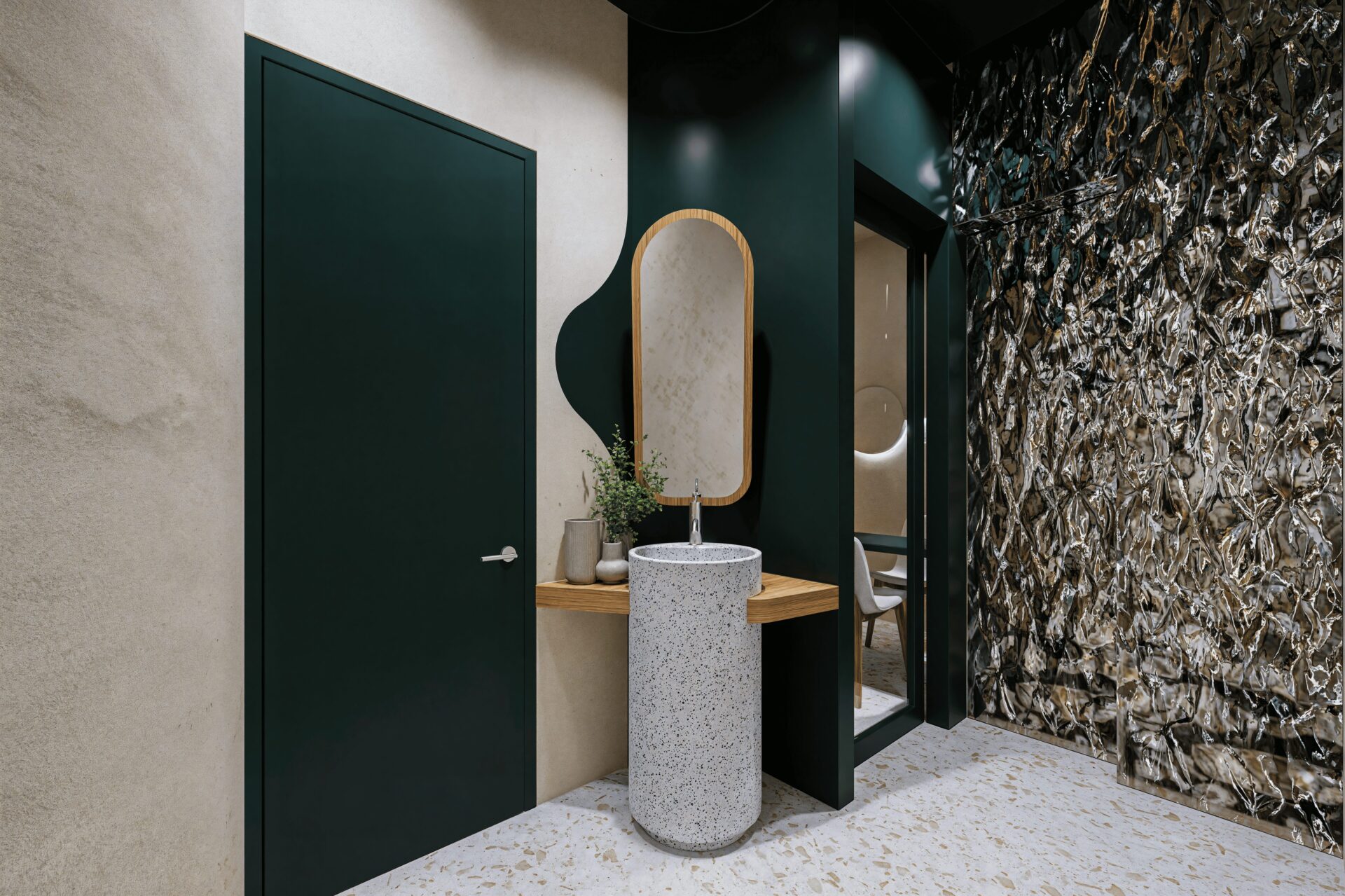
Another thing people do not always realize is how much lighting changes everything. The same color can feel completely different depending on the time of day or the type of light in the room. Research has shown that both natural and artificial lighting can shift how we perceive color and how it affects us emotionally (Küller et al., 2006). That is why choosing colors is not just about what looks good on a sample, but it is also about how it actually feels in your space.
Some popular color directions seen in current interior design trends include:
- Warm neutral tones such as beige, sand, and soft taupe
- Earth-inspired colors like olive green or clay
- Muted blues that promote calm and clarity
These palettes help reduce visual fatigue while still adding character to a workspace. When thoughtfully applied, they create an environment that feels calm, grounded, and comfortable throughout the day.
Also Read: Minimalist Tropical Interior Design Ideas for Calm Spaces by Manon
Trend #2: Layered Lighting Workspaces
Next, lighting plays a bigger role in productivity than most people expect. It is affects how comfortable your eyes feel, how long you can stay focused, and even your overall energy throughout the day.
In the past, many offices relied on a single overhead light. While it does the job of lighting a room, it often creates a flat and sometimes harsh environment. Over time, this kind of lighting can feel tiring and make it harder to stay focused.
Research has shown that better lighting conditions can improve both comfort and performance.
Access to natural light, for example, has been linked to better mood, improved sleep, and increased productivity (Edwards & Torcellini, 2002). On the other hand, poorly placed or overly intense artificial lighting can lead to eye strain and fatigue (Boyce, 2014).
Layered lighting helps solve this by creating balance. Instead of relying on one source, it combines general lighting, focused task lighting, and softer accent lighting. This allows the space to adapt whether you need to concentrate, read, or simply feel more at ease while working.
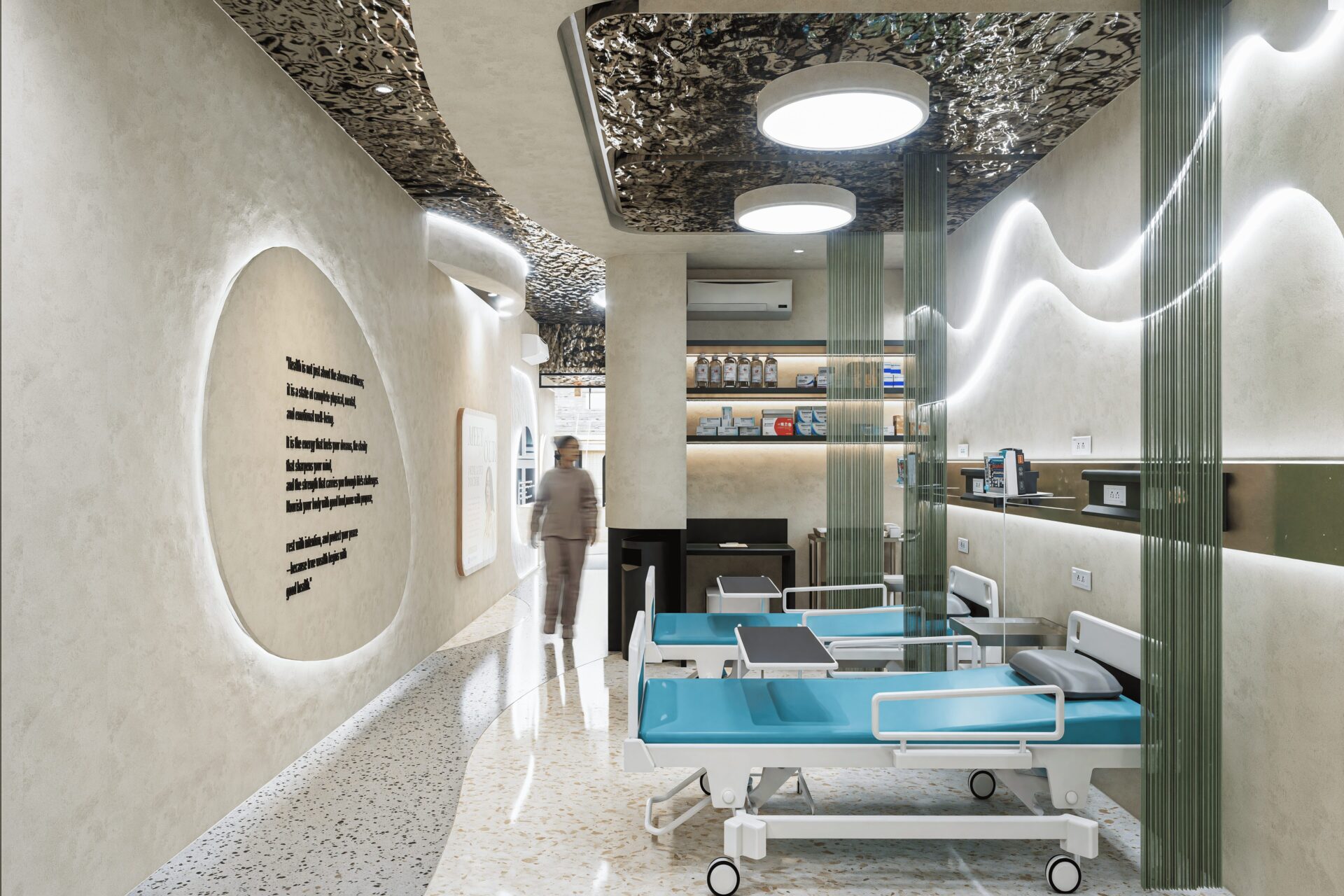
Color temperature also plays a role. Cooler light can help support focus and alertness, while warmer tones create a more relaxed and comfortable atmosphere.
Studies on human-centric lighting suggest that aligning lighting with our natural rhythms can support both productivity and well-being (Boubekri et al., 2014).
Good lighting does not need to be complicated, it just needs to support the way you work and feel in your space. When it is done thoughtfully, it helps create an environment that feels steady, comfortable, and easier to spend time in.
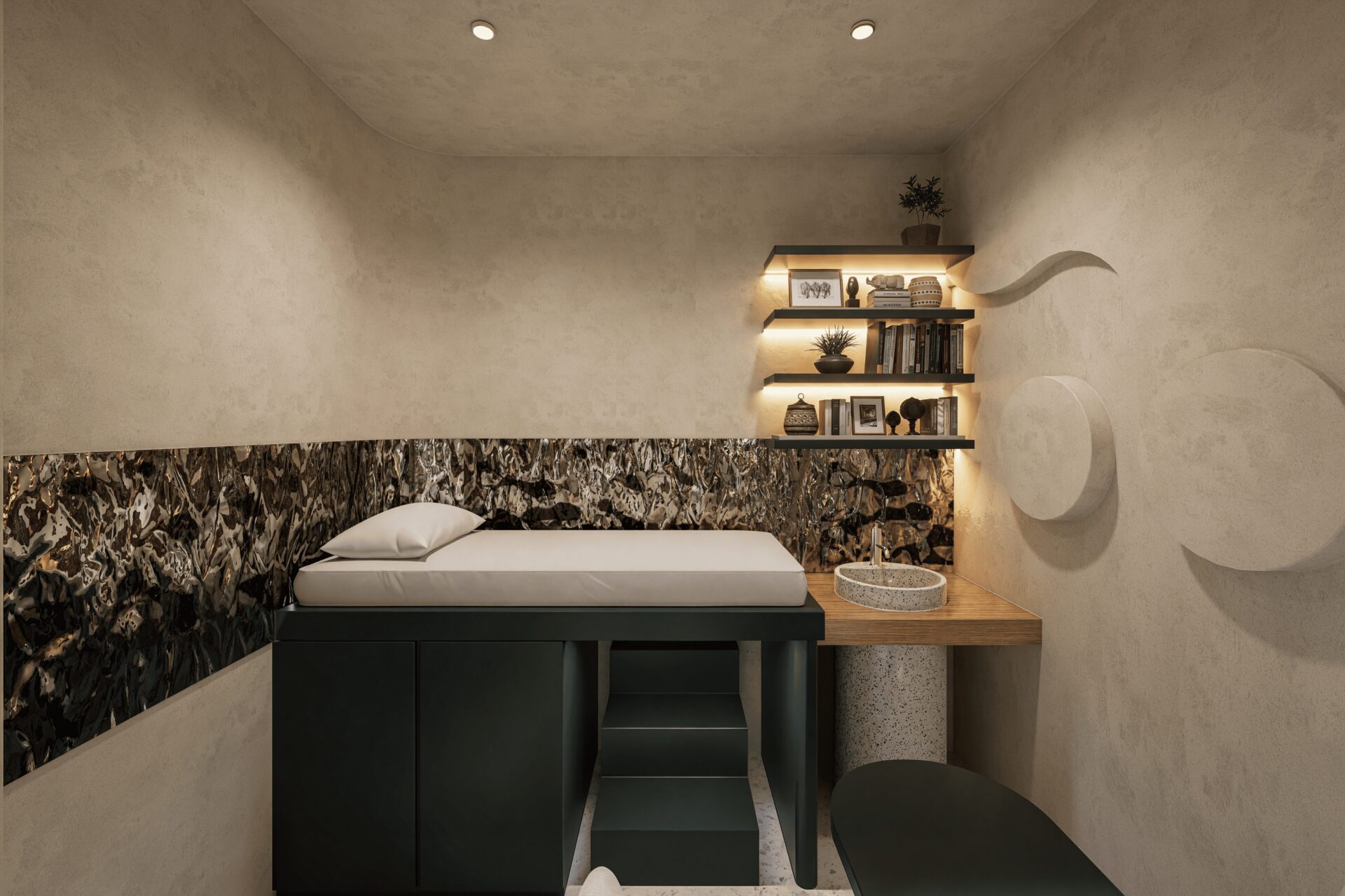
Layered lighting solves this problem by combining multiple types of light within a space, these typically include:
- Ambient lighting – the primary light source that illuminates the entire room.
- Task lighting – focused lighting used for activities such as reading or computer work.
- Accent lighting – softer lighting that highlights architectural features or decorative elements.
This layered approach creates a more comfortable and flexible environment.
Many contemporary interior design trends also emphasize the importance of natural light. Large windows, open layouts, and reflective surfaces help maximize daylight, making your workspaces feel brighter and more energizing.
Trend #3: Visual Horizon Control
Another emerging idea within interior design trends is something called visual horizon control.
This concept focuses on managing what people see directly in front of them while working. When a workspace is visually cluttered or chaotic, the brain constantly processes unnecessary information, which can reduce focus.
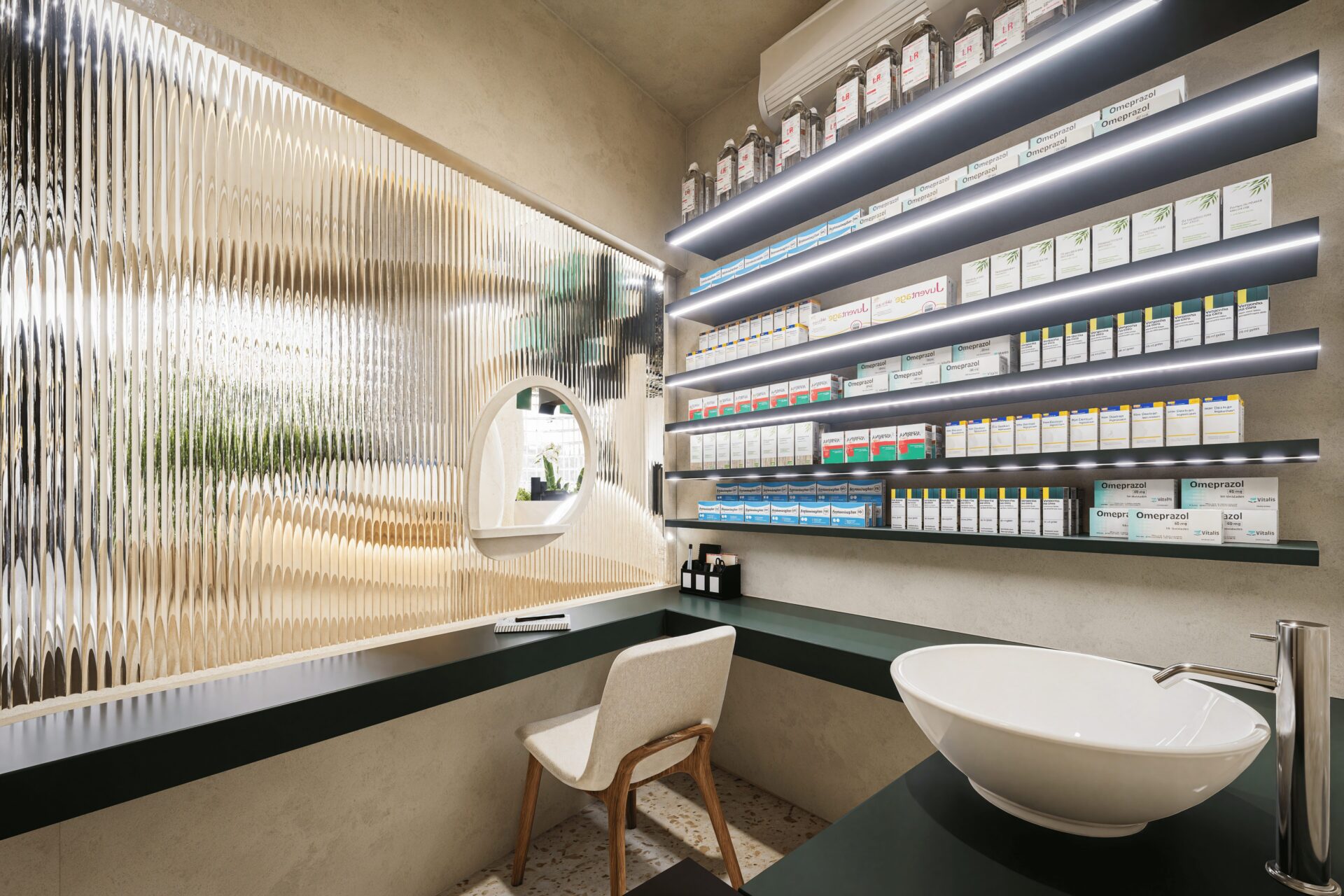
Visual horizon control aims to simplify the visual field. This can be achieved in several ways, such as:
- keeping work surfaces clean and organized
- placing calming objects within the natural line of sight
- using shelves, panels, or plants to structure the visual space
For example, a carefully placed plant, artwork, or natural texture can become a subtle focal point that helps the room feel balanced.
Many modern interior design trends use this principle to create calmer environments that reduce cognitive overload. When the visual environment feels organized and intentional, it becomes easier to stay focused on tasks that matter.
How Interior Design Trends Influence Productivity
There is a growing body of research showing that the environment where people work influences how effectively they perform.
Workspace layout + lighting quality + color balance = all contribute to mental comfort.
When these elements are thoughtfully combined, they can support better concentration and reduce fatigue.
Modern interior design trends increasingly focus on this connection between environment and performance. Designers are no longer creating spaces that simply look attractive; but they are also designing environments that actively support how people think and work.
A balanced workspace can encourage creativity, improve mood, and help people stay engaged throughout the day.
Why Professional Interior Design Services Make a Difference
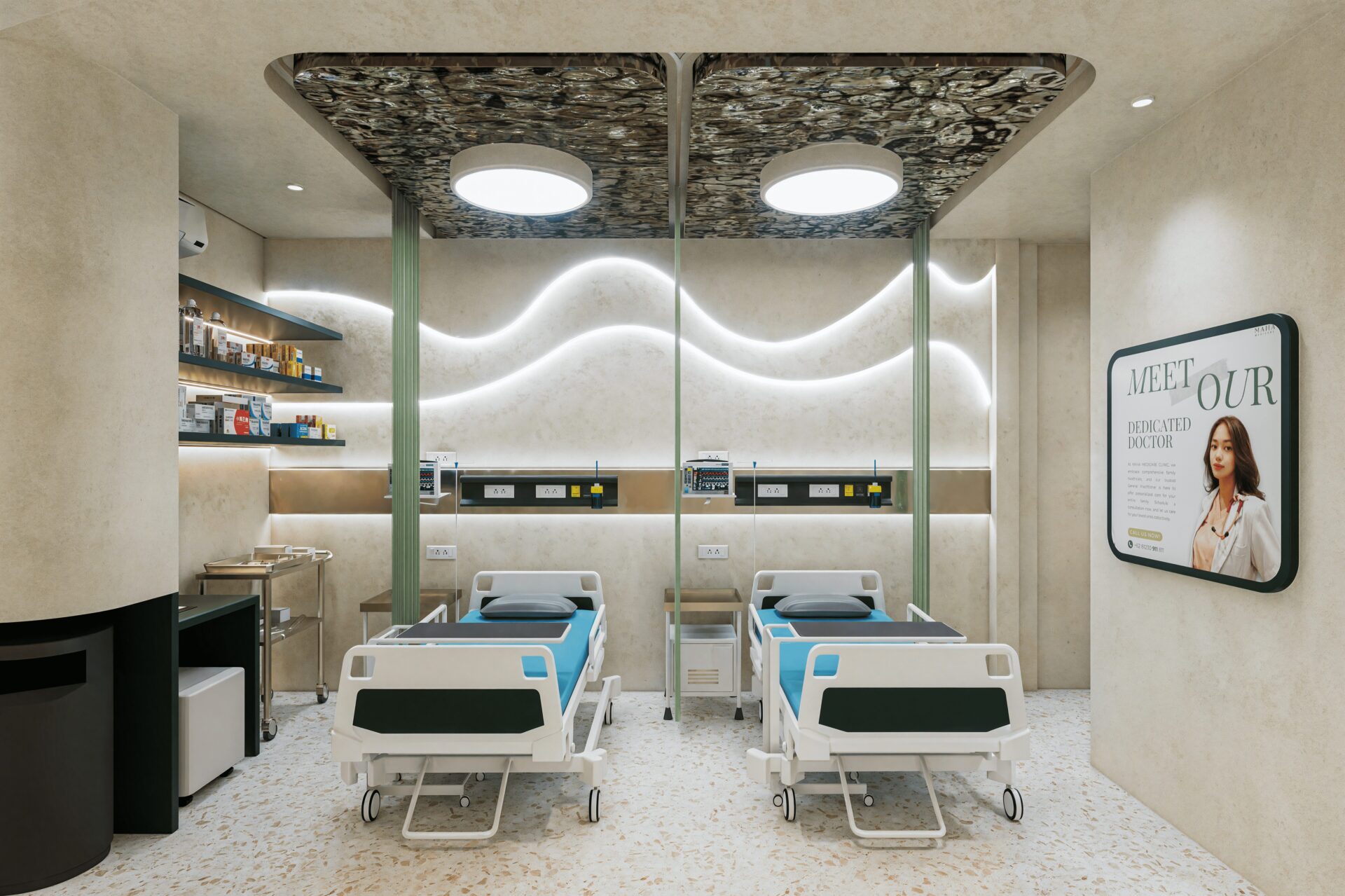
While it is possible to apply some design ideas independently, translating interior design trends into a functional space often requires careful planning.
Professional interior design services take into account several factors at once, including:
- Spatial flow
- Lighting strategy
- Material selection
- Overall atmosphere
Designers also consider how people move through a space and how different elements interact visually. By understanding these relationships, experienced designers can turn design concepts into environments that feel cohesive and purposeful.
For businesses and professionals looking to improve their workspace, working with interior design services can help ensure that trends are applied thoughtfully rather than randomly into your space.
Designing Productive Workspaces With Manon Design Studio
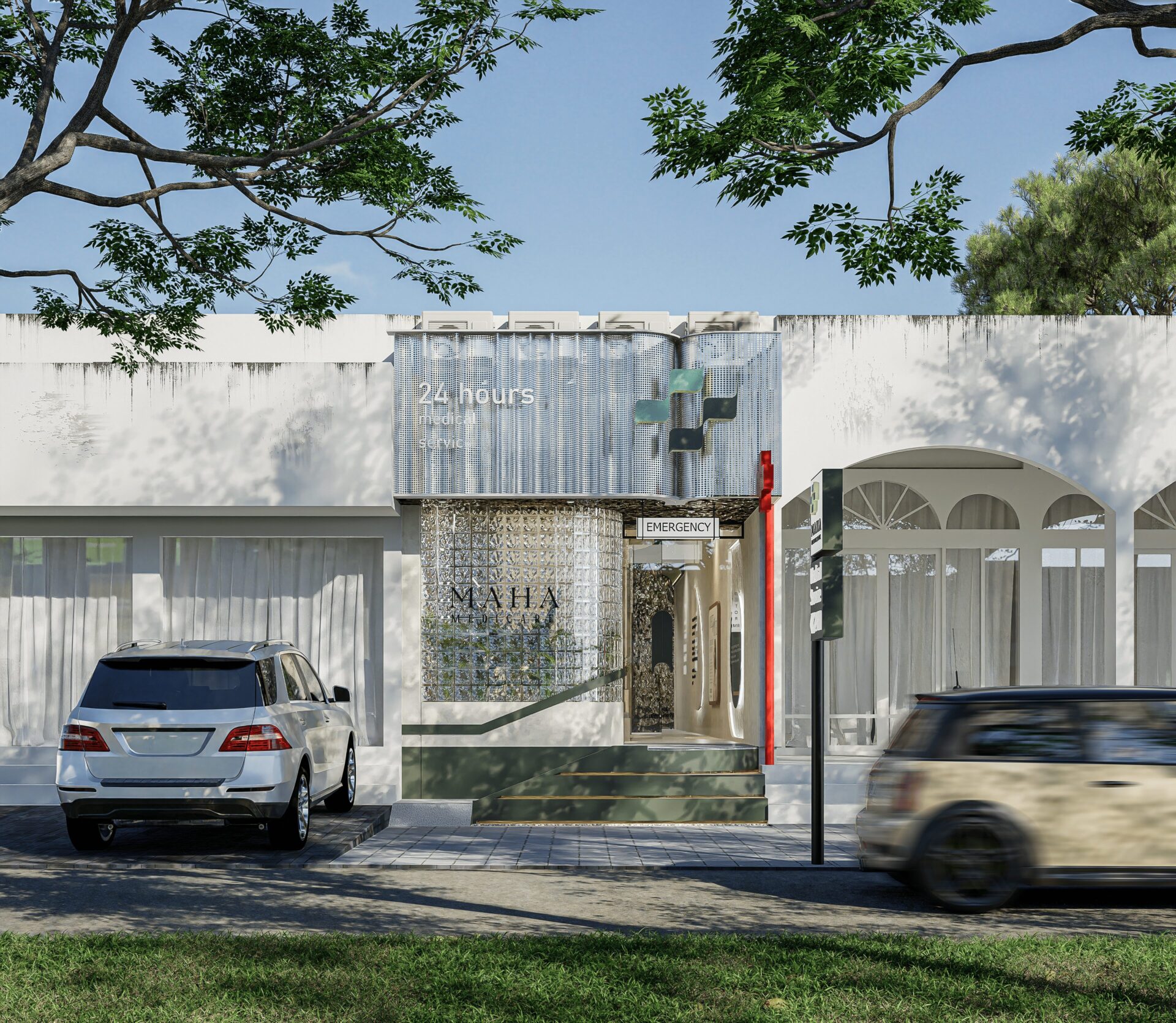
At our design studio, interior spaces are approached with a balance between aesthetics, functionality, and human experience.
Drawing inspiration from natural environments, our studio often incorporates organic materials, soft lighting, and balanced layouts to create workspaces that feel calm and welcoming. You can see this approach in action in one of our commercial architecture projects: the Mahamedicare Uluwatu Branch.
Rather than simply following interior design trends, our team goal is always to design spaces that genuinely support productivity and well-being of our clients. By carefully understanding each client’s needs, Manon Design Studio develops interiors that reflect both practical function and thoughtful design.
For those looking to elevate their workspace, working with the right team is the shortcut to creating a dream workspace that elevates productivity and inspires people to do their best work. Connect with our expert team today and explore the possibilities of bringing your dream space to life with Manon.