For our design studio, designing a building is not just about creating something that looks good; it is a process that transforms our clients’ ideas into real spaces where they live, work, and experience daily life. For us, this journey is known as the architecture design process, and it plays a key role in shaping how our clients’ projects come together.
We totally understand that the process can feel overwhelming at first, especially if you are unfamiliar with this process. There are decisions to make, timelines to consider, and ideas to refine. That is why understanding this design process is so important; it brings clarity and helps you feel more confident from the very beginning.
With Manon Design Studio, the architecture design process is approached as a collaborative journey. It is not just about design; it is about how we listen, understand, and translate our clients’ ideas into meaningful spaces.
In this article, we will walk through each stage of the process so you can better understand how modern architecture comes to life.
What Is the Architecture Design Process?
The architecture design process is a structured method that guides a project from the initial idea to the final built result. It ensures that every detail—from layout to materials—is carefully considered before construction begins.
Rather than jumping straight into building, the process allows architects and clients to explore ideas, solve potential challenges early, and align expectations.
This process typically includes several stages, such as:
- Concept development
- Design refinement
- Visualization (In our design studio, we use VR technology to achieve this goal)
- Technical documentation
Each step in this process builds on the previous one, creating a clear path from vision to reality.
Why the Architecture Design Process Matters
Understanding the value of this design process can make a big difference in how a project unfolds.
First, it provides clarity. Instead of making rushed decisions, your clients can review ideas step by step and make informed choices. This reduces uncertainty and builds confidence throughout the project.
Second, the architecture design process helps prevent costly mistakes. By identifying potential issues early—whether related to layout, materials, or site conditions—problems can be solved before construction begins.
Finally, it ensures that the final result truly reflects the original vision. A well-structured process keeps the design aligned with both functional needs and aesthetic goals.
To make you understand the process, follow these steps from our expert team who are experiencing this process through every Manon’s project:
Step 1: Understanding the Client and Site
Every project begins with understanding. Before anything is designed, we take time to really listen—how you live, what you need, and what you want your space to feel like. At the same time, our team studies the site itself, because good design should respond not just to the client, but also to its surroundings.
In a place like Bali, that means paying attention to things like:
- Climate
- Sunlight
- Airflow
- The surrounding landscape
These are not just technical details; they shape how comfortable your space will feel every day. When a home is designed to work with natural light and ventilation, it can feel noticeably cooler, brighter, and more at ease without relying too much on artificial systems.
Studies from organizations like the World Green Building Council and the United Nations Environment Programme have shown that designing with the environment in mind can improve comfort, well-being, and energy efficiency. Even something as simple as good airflow and access to daylight can make a real difference in how a space supports your daily life.
That is why this stage matters so much. By combining what we learn from you with what we understand about the site, Manon’s team is able to build a strong foundation for the entire design process—one that feels thoughtful, responsive, and truly aligned with how you want to live.
Step 2: Concept Development
Once the initial understanding is clear, the next step in the architecture design process is concept development.
This is where ideas begin to take shape. Our architects explore layouts, spatial relationships, and design direction through sketches and early concepts. It is a creative phase where possibilities are tested and refined.
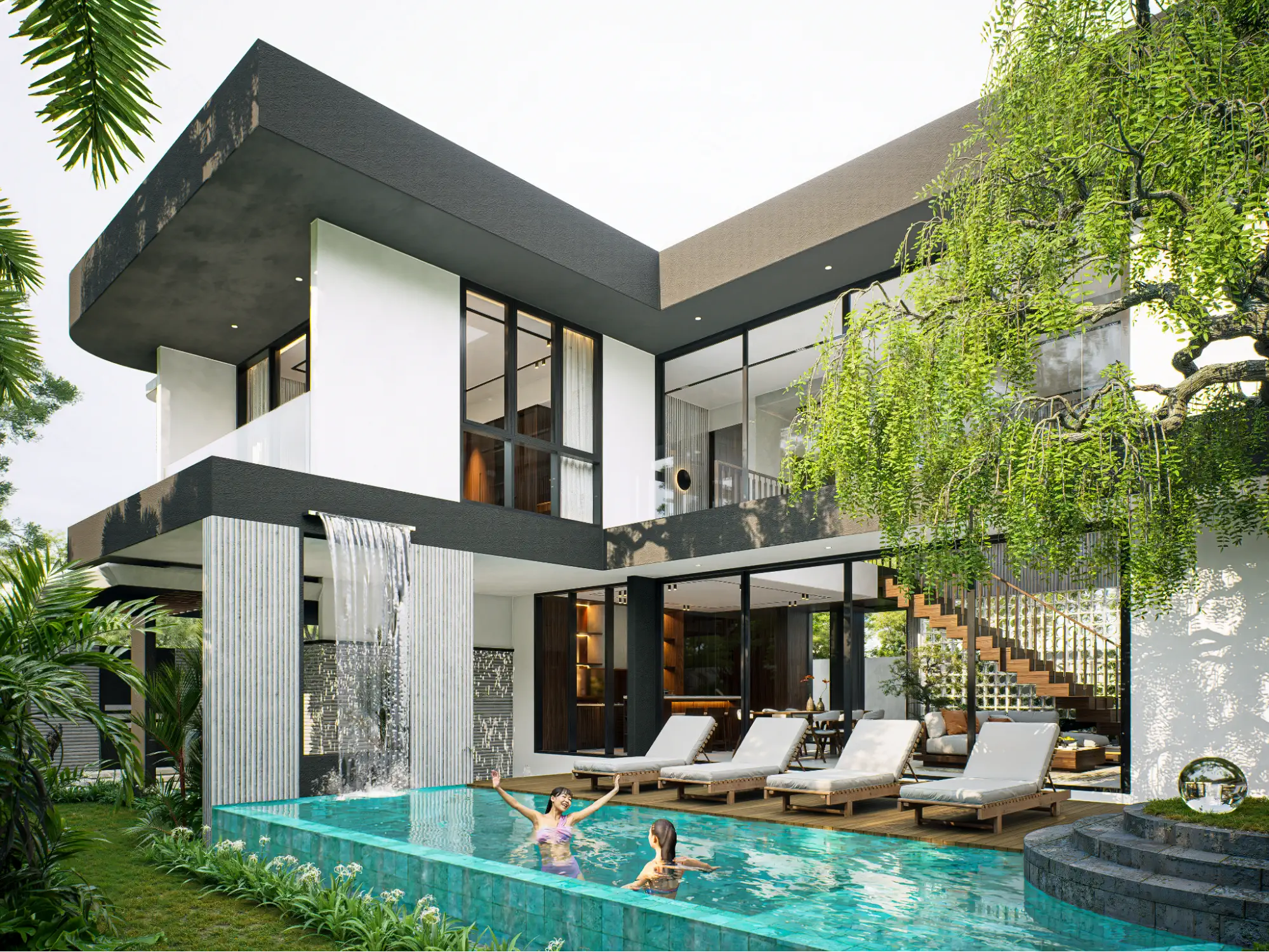
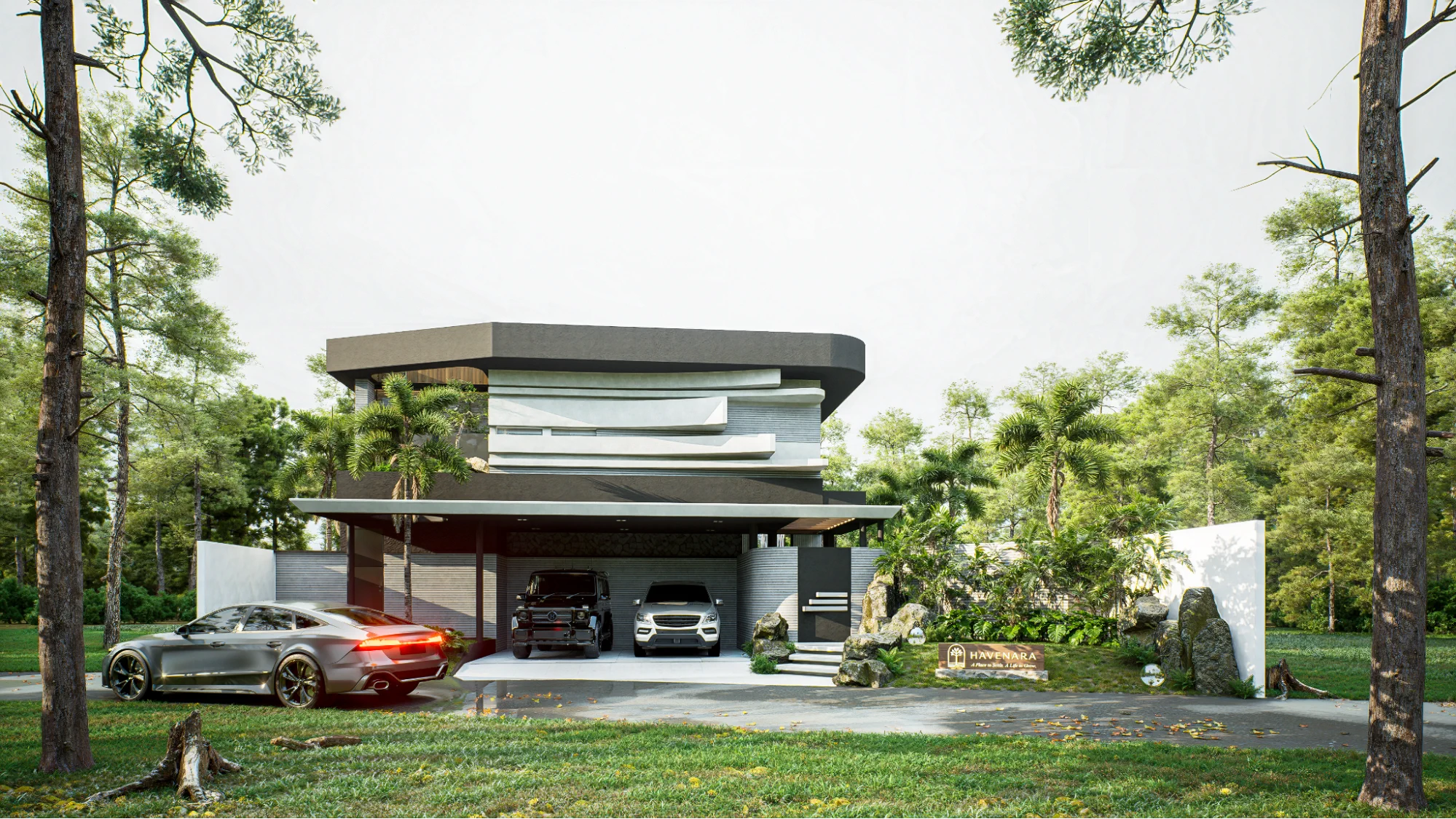
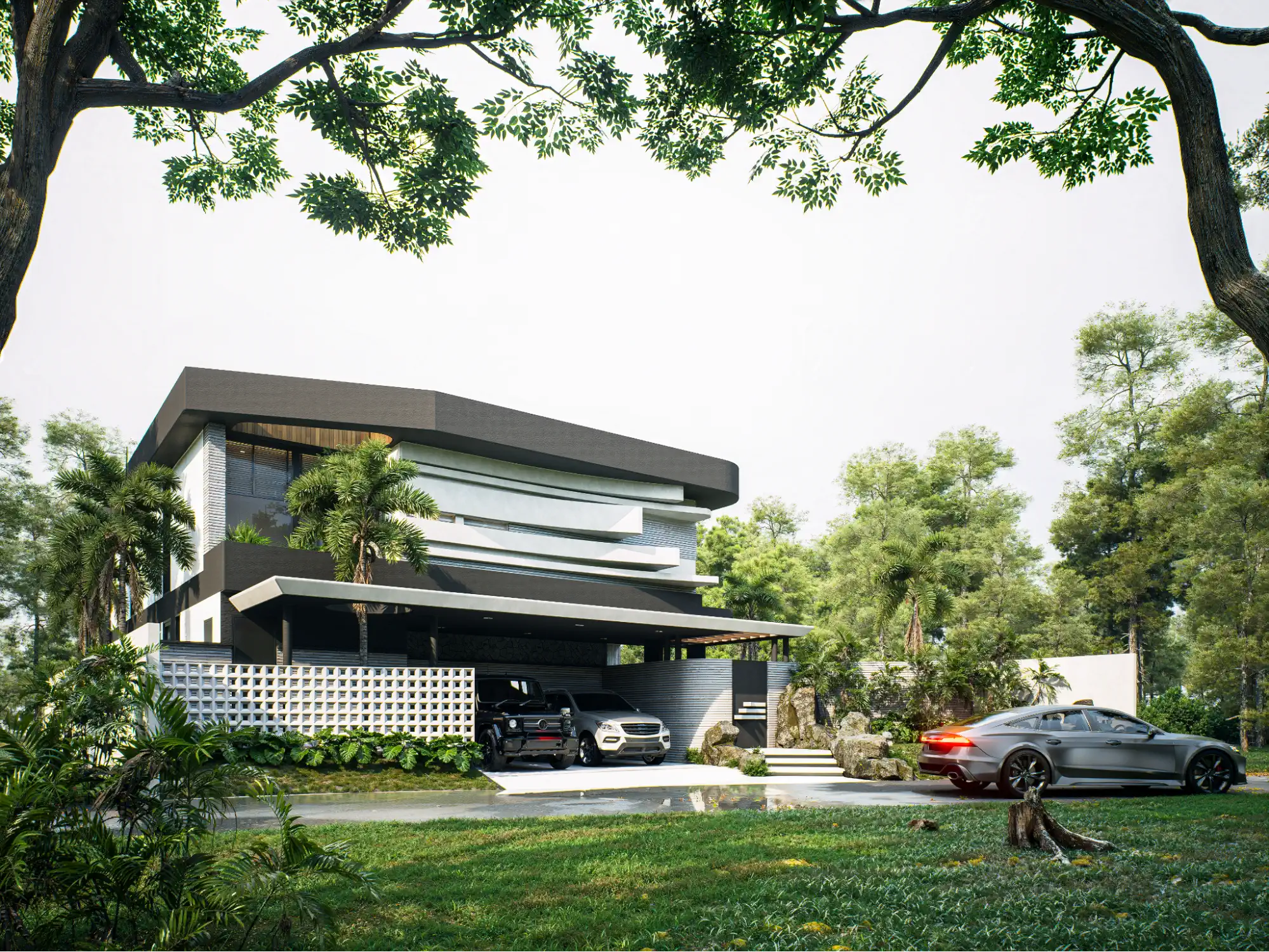
A project like Havenara Residence reflects this stage well, where early concepts focused on balancing openness, natural light, and comfortable living spaces.
At this point, the goal is not perfection but direction—creating a clear vision that can be developed further in the next step of this process.
Also Read: How to Create Functional Layouts for Modern Living
Step 3: Design Development
After the concept is approved, the process moves into design development. This is where ideas become more detailed and precise.
For most of our projects, our architects refine layouts, select materials, and consider technical aspects such as structure and systems. Also, collaboration with engineers and other consultants often begins at this stage.
A project like NOVEA Townhouse demonstrates how structured design development can lead to clean, modern spaces that are both functional and visually balanced.
This stage ensures that our client’s design is not only beautiful but also practical and buildable.
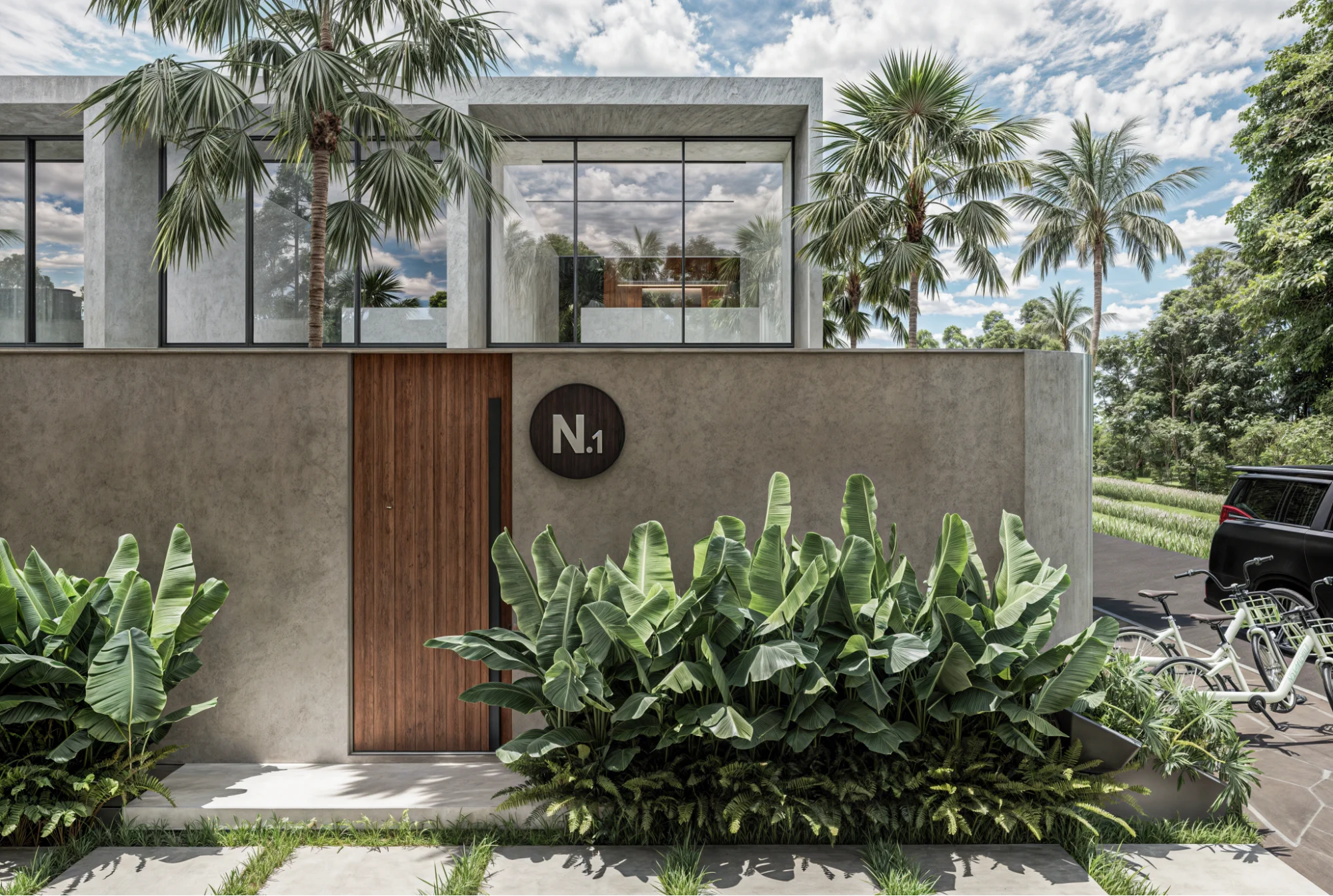
In one of our proudest projects, NOVEA Bingin Townhouse is a modern residential development located in South Kuta, Bali, set on a 940 m² site and designed for today’s evolving way of living. Created within the hospitality context, we rethink what a home can be; it should be compact, flexible, and deeply connected to how people actually move through their day inside the house.
At its core, NOVEA is about balance. It brings together the bold character of modern industrial architecture with a softer, more livable approach. Clean lines, geometric forms, and exposed materials define its structure, while natural light, warm tones, and open spaces make it feel calm and human.
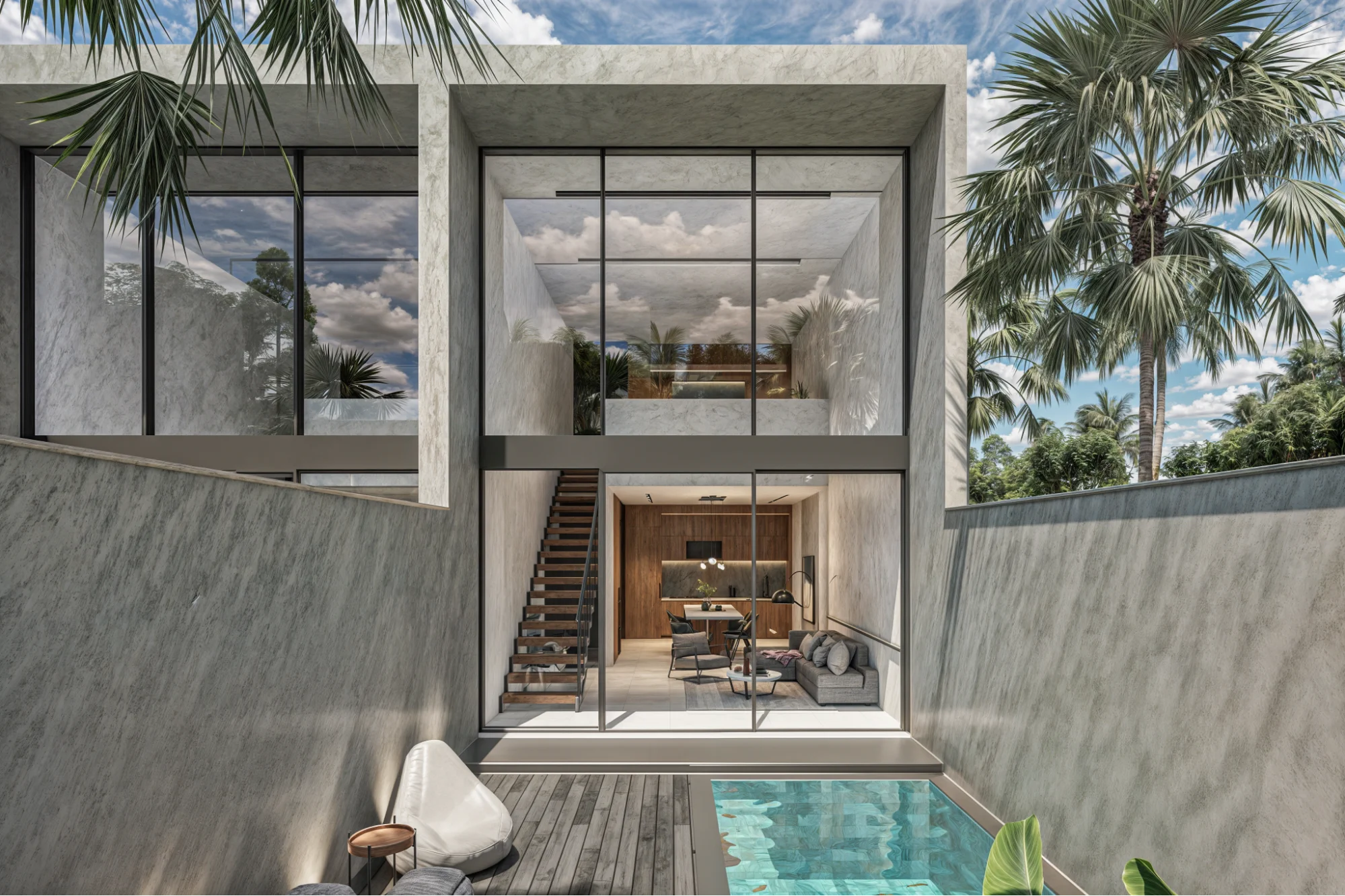
Each townhouse is designed by our architects to adapt. Spaces are not fixed—they shift with the needs of the resident. A multifunctional room with a foldable bed allows the home to transition between living, working, and resting. It is a simple idea, but one that reflects how modern lifestyles truly function.
 a
a
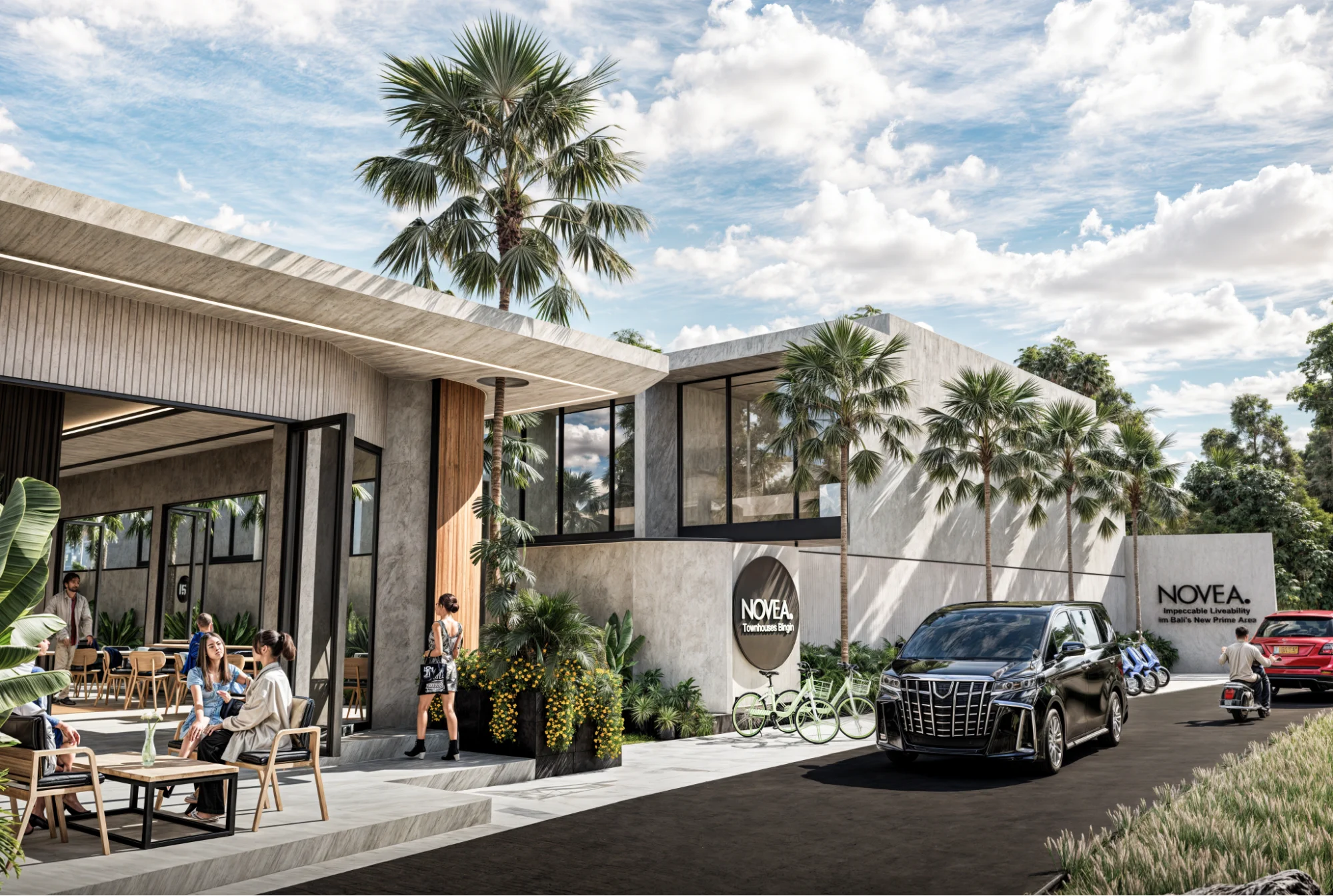
The architectural language continues through the facade, where textured concrete, dark metal frames, and glass panels create a strong visual identity. This is balanced with greenery and warm lighting, which softens the industrial edge and gives the development a more welcoming presence.
Beyond the private units, NOVEA introduces a co-working café as its social core. It is a shared space where productivity and connection naturally come together—blurring the line between work and living, and creating a sense of community within the development that we mentioned before.
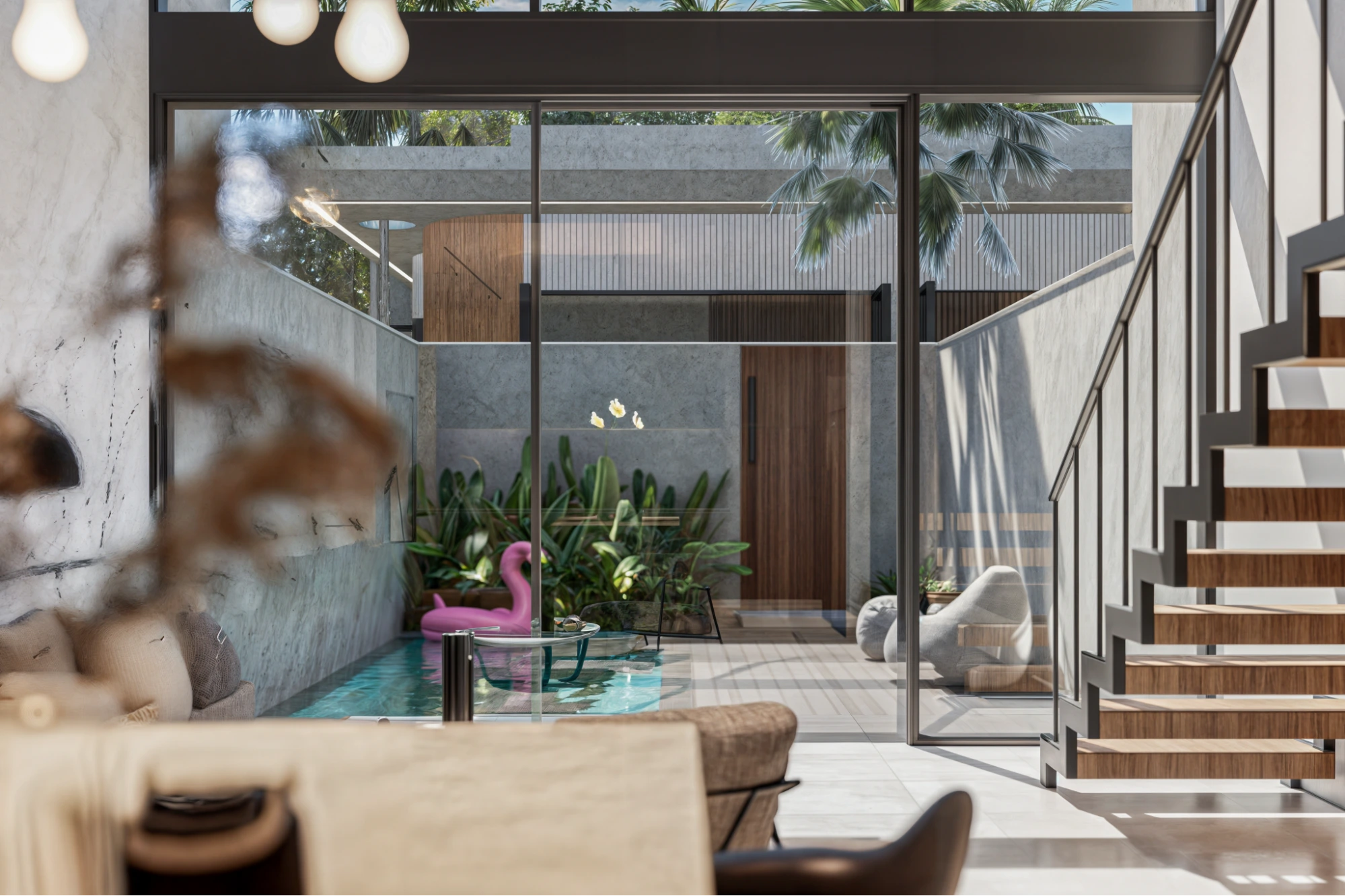
The overall experience our architects built here is designed to feel effortless. Light moves freely through each space, highlighting textures and creating a sense of openness. Daily life flows naturally—from focused mornings in the co-working area to slower afternoons and relaxed evenings. How peaceful is that?
Lastly, NOVEA Bingin Townhouse is not just about architecture, but it is about creating a new rhythm of living. One that is flexible for modern people, functional for urbanians, and quietly in tune with the way people live today. Highly recommended for expats!
If you’d like to see more of this project, visit our social media for deeper insights and inspiration in architectural design.
Step 4: Visualization and Client Review
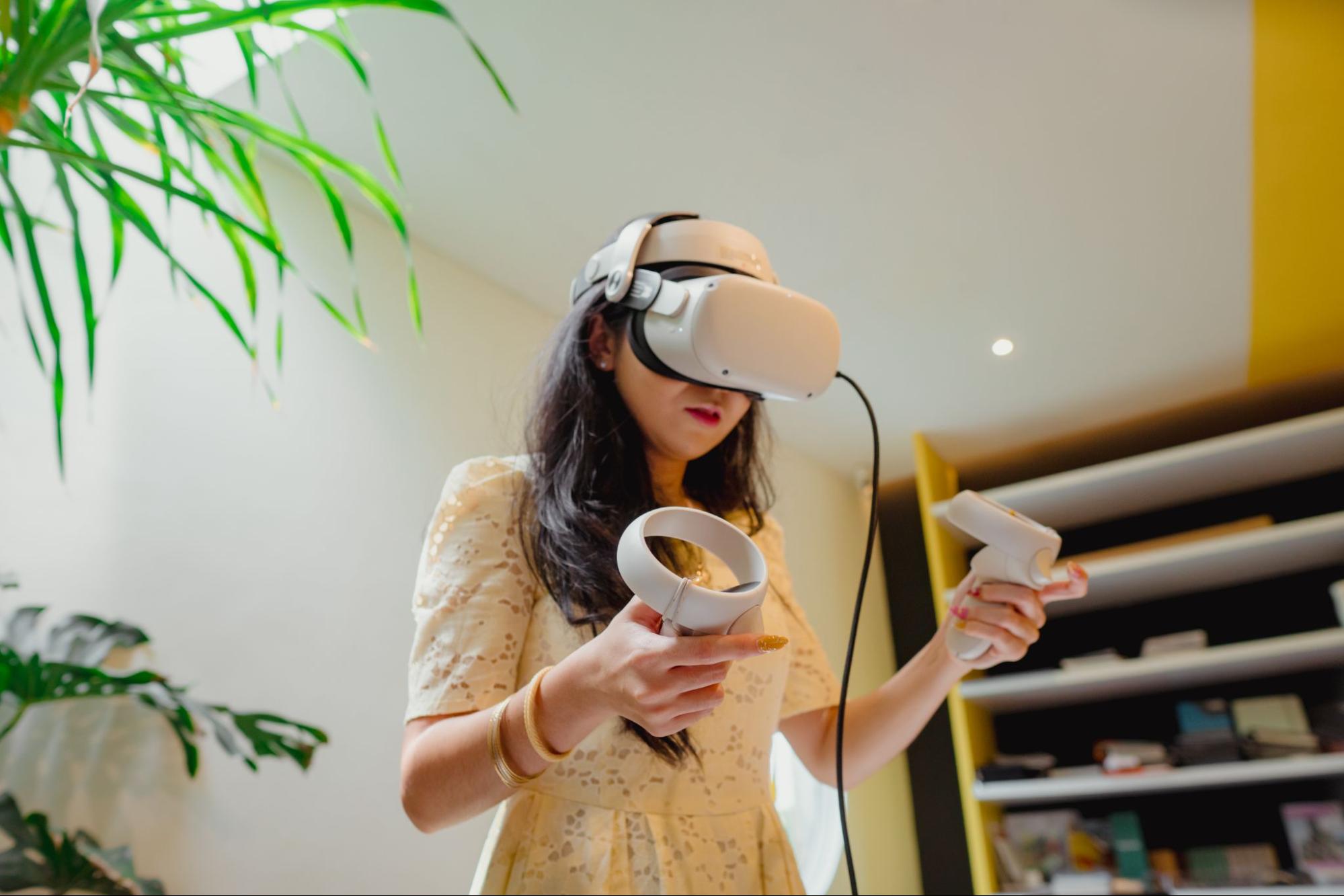
One of the most important parts of the architecture design process is helping your clients fully understand the design before construction begins. Through 3D renderings or visualizations, your clients can see how the space will look and feel. This makes it easier to evaluate details such as lighting, materials, and spatial flow.
The process at this stage becomes highly collaborative. Feedback is shared, adjustments are made, and the design is refined until it aligns with the client’s expectations. This step reduces uncertainty and helps avoid major changes later on.
Source: VR PHOTO SESSION - MANON DESIGN STUDIO - 12 DESEMBER 2025-112.jpg
At Manon Design Studio, design goes beyond visuals. With our latest VR technology, you are invited to experience your space on a real scale before it is built. Step inside and explore this new way of designing.
Step 5: Technical Documentation
Once the design is finalized, the architecture design process moves into technical documentation.
This stage involves creating detailed construction drawings and specifications. These documents guide builders and contractors, ensuring that every part of the design is clearly communicated.
You should understand that accurate documentation is essential; it minimizes errors, improves efficiency on site, and helps maintain the integrity of the design throughout construction.
Also Read: Transform Your Spaces With Architecture Designing Services
Step 6: Construction and Project Realization
This is the stage where everything starts to come to life. After all the planning and design, the ideas finally take shape as a real, physical space.
During construction, our team will stay closely involved in the process. We work alongside contractors to make sure every detail is built as intended because even small adjustments on-site can make a big difference in the final result. Regular site visits and ongoing coordination help keep everything aligned, from quality to overall design consistency.
This kind of close collaboration is not just best practice, but it is proven to improve project outcomes. Industry standards from organizations like the American Institute of Architects and the Royal Institute of British Architects emphasize the importance of ongoing architect involvement during construction to maintain design integrity and reduce costly errors.
The process does not stop once construction begins. In many ways, this is where our role becomes even more hands-on. We continue to oversee the project until the space is fully realized—making sure what is built not only looks right, but also feels right for you.
How Manon Approaches the Architecture Design Process
At our design studio, the architecture design process is built on collaboration, clarity, and thoughtful design.
Each project begins by understanding our client’s vision and the unique characteristics of the site. From there, our expert team combines global design thinking with local context, especially in our beloved Bali’s tropical environment.
Projects such as Havenara Residence and Novea Townhouse show how the process can adapt to different needs while maintaining a consistent design philosophy. Rather than following a fixed formula, our approach focuses on creating spaces that feel natural, functional, and connected to our surroundings.

For our clients, this means a smoother journey—from the first idea to the final built space. From concept to construction, every phase plays an important role in shaping the final result we want. And for anyone planning a new project, taking the time to understand the architecture design process is the first step toward creating a space that truly works.
Have a project in mind? Contact our team today!