Small home renovations are targeted improvements made to specific areas of a home without requiring full-scale reconstruction. Many homes lose perceived value not because of structural failure, but due to outdated layouts, inefficient use of space, and materials that no longer reflect current living standards.
Strategic, small-scale renovations address these issues directly, improving both functionality and property value with considerably less investment than a full rebuild.

Why Small Home Renovations Matter
The most effective renovations are rarely the largest ones. Small home renovations consistently deliver high returns because they address the areas buyers and occupants respond to most spatial quality, light, and material finish without the disruption and cost of full reconstruction.
The financial case is straightforward: targeted upgrades to key areas typically yield returns that outpace their cost at resale. Beyond investment value, they improve daily living quality in ways occupants experience immediately. For property investors and homeowners alike, this makes small home renovations one of the most efficient strategies available for upgrading a property's appeal and performance.
Tip 1 Improve First Impressions: Facade and Entry
A home's exterior and entry set the tone for everything that follows. First impressions strongly influence perceived property value before a buyer or guest ever steps inside.
Targeted interventions here deliver outsized impact: upgrading the front door to a modern, well-proportioned design signals quality immediately. Improving exterior lighting, particularly at entry points and along facade edges, adds both safety and a sense of considered design. Refreshing facade finishes with clean, contemporary materials remove the visual weight of age without touching the home's underlying structure.
These are among the most cost-efficient improvements available, yet they directly shape how the entire property is perceived.
Tip 2 Optimize Layout and Flow
Poor spatial flow is one of the most common issues in older homes that reduces livability and market value. Rooms that feel disconnected, corridors that interrupt natural movement, and partitions that fragment open living areas all diminish the sense of space, regardless of actual square footage.
Removing unnecessary partitions, improving circulation paths between key living areas, and opening up spaces where walls serve no structural or acoustic purpose can transform how a home feels without altering its footprint. A clearer circulation also improves how people experience the home, making spaces feel more intuitive and functional during everyday use.
Tip 3 Upgrade Kitchen and Bathroom
Kitchens and bathrooms consistently deliver the highest return on renovation investment. These are the spaces buyers scrutinize most and occupants use most heavily, which means their condition directly shapes both perceived and market value.
Effective upgrades here do not require luxury excess. Replacing dated fixtures with modern, well-proportioned alternatives, updating surface finishes to timeless rather than trend-driven choices, and improving storage functionality are sufficient to significantly elevate both spaces. The goal is functional refinement spaces that feel current, considered, and easy to maintain.
Tip 4 Enhance Natural Light and Ventilation
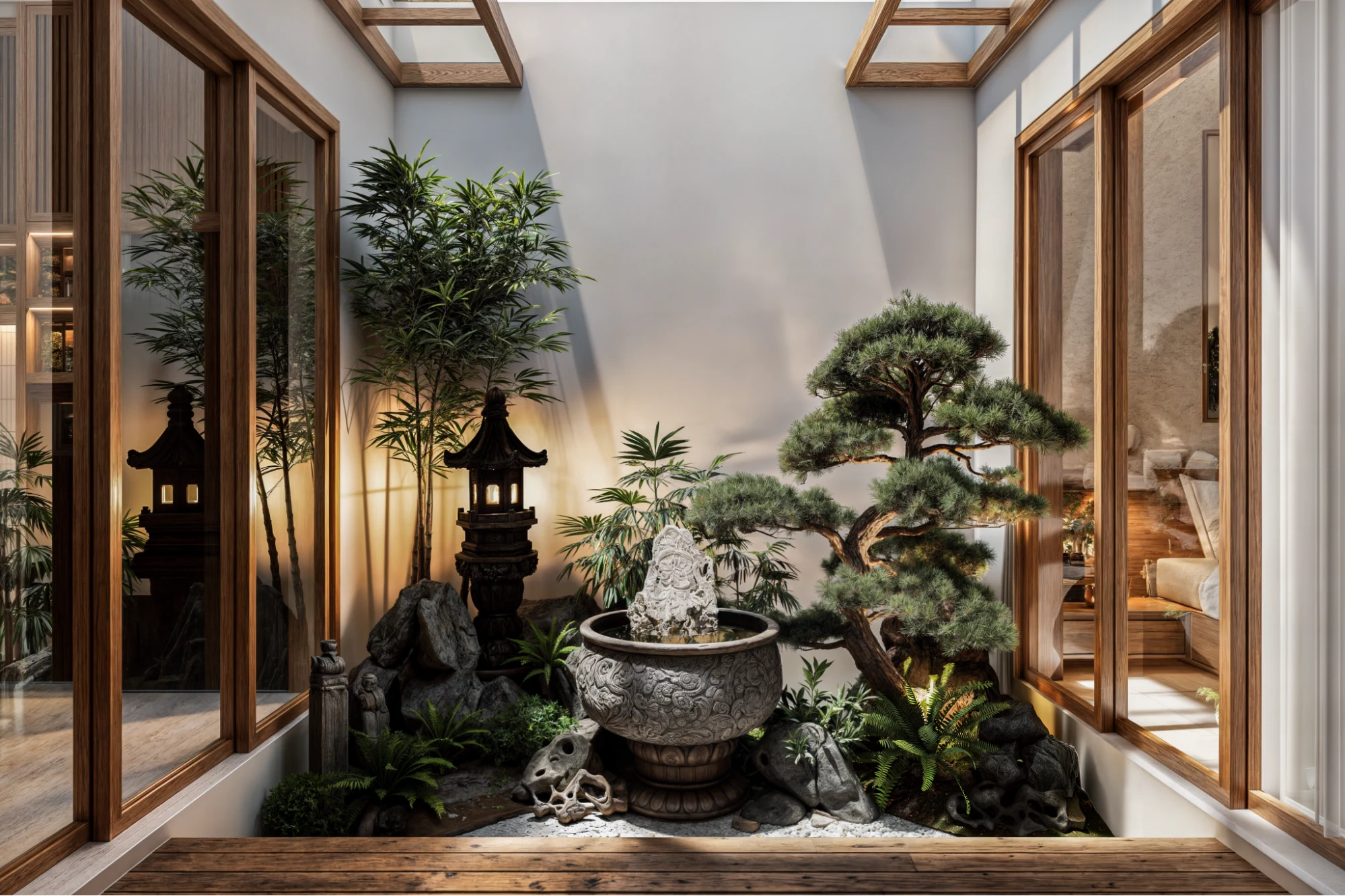
Brighter, well-ventilated homes feel larger and more comfortable without any change to structural size. Natural light is one of the most powerful tools available in residential design, and it is frequently underutilized in older homes built with smaller, less strategically placed openings.
Where feasible, enlarging existing windows or introducing new ones into underlit areas transforms the quality of interior space. Improving cross-ventilation through better-positioned openings or operable elements reduces reliance on mechanical cooling and improves daily comfort. Pairing these interventions with lighter interior materials, wall finishes, flooring, and ceiling tones amplifies the effect without additional structural work. Find more information about natural light and ventilation in Whole Building Design Guide
Tip 5 Use Smart Material Updates
Material upgrades can refresh a home's perception significantly without requiring major structural change. Outdated flooring, worn wall finishes, and dated surface materials age a home visually in ways that immediately affect how it is valued by buyers, tenants, and occupants alike.
The most effective approach prioritizes durable, timeless materials over those tied to current trends. Choices that age gracefully and require minimal maintenance hold their value longer and reduce ongoing upkeep costs. This is particularly relevant for investment properties, where long-term performance matters as much as immediate appeal.
How These Renovations Work Together
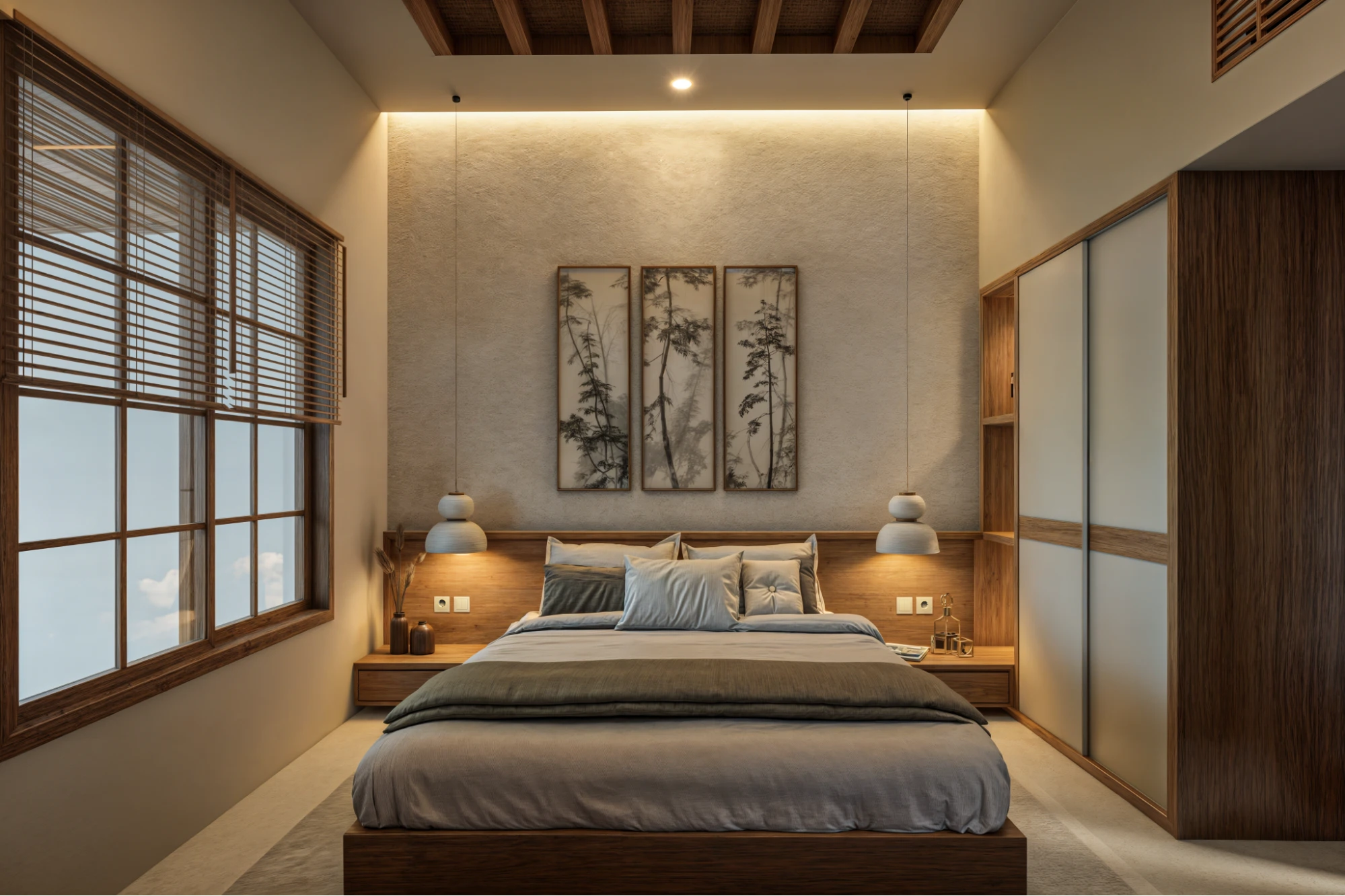
Individually, each of these interventions delivers measurable improvement. Applied together across entry, layout, key functional spaces, light, and materials, they create a compounding effect that significantly elevates both the experience and value of a property.
This approach has also been applied in our Rumah Taman Griya renovation project, where targeted improvements to layout, natural light, and material selection enhanced both everyday living and the overall value of the property., this approach has been applied across small home renovations to demonstrate exactly that.
By reconfiguring interior layouts for better flow, targeted improvements have transformed both the livability and perceived value of homes without full reconstruction.
The interventions are deliberate, the outcomes measurable, and the approach replicable across a range of property types and scales.
The principle is consistent: when function, light, and material quality are addressed across key areas simultaneously, the combined effect exceeds the sum of its parts.
Conclusion
By focusing on first impressions, spatial flow, key functional areas, natural light, and material quality, homeowners and investors can achieve significant transformation with well-targeted interventions.
When approached with clarity and design intent, these improvements not only enhance daily living, they build long-term property value in ways that matter at resale.
Manon Design Studio specialises in design-led renovation strategies tailored to your property's specific potential. Contact us to begin the conversation.