Biophilic interior design is an approach that integrates natural elements into interior environments to strengthen the human connection with nature and improve well-being, comfort, and overall quality of life (Kellert et al., 2008; Browning et al., 2014).
In many contemporary homes, living rooms feel artificially lit, visually closed, and disconnected from the outdoors — environments that accumulate tension rather than relieve it.
Biophilic interior design ideas address this directly, bringing natural light, greenery, organic materials, and considered forms into the living room to create a space that feels genuinely restorative.
Why Biophilic Interior Design Matters in Living Rooms
The living room is the most consistently occupied space in a home, which makes it the most consequential space to design with well-being in mind.
A growing body of research suggests that exposure to natural elements—including daylight, vegetation, natural textures, and outdoor views—can reduce stress, improve mood, enhance cognitive performance, and support psychological well-being (Ulrich, 1984; Kellert et al., 2008; Browning et al., 2014). In a living room context, this translates into a space that feels airier, more inviting, and more conducive to both rest and connection. Nature, brought deliberately into the interior, makes a room more livable in the most fundamental sense.
Maximize Natural Light
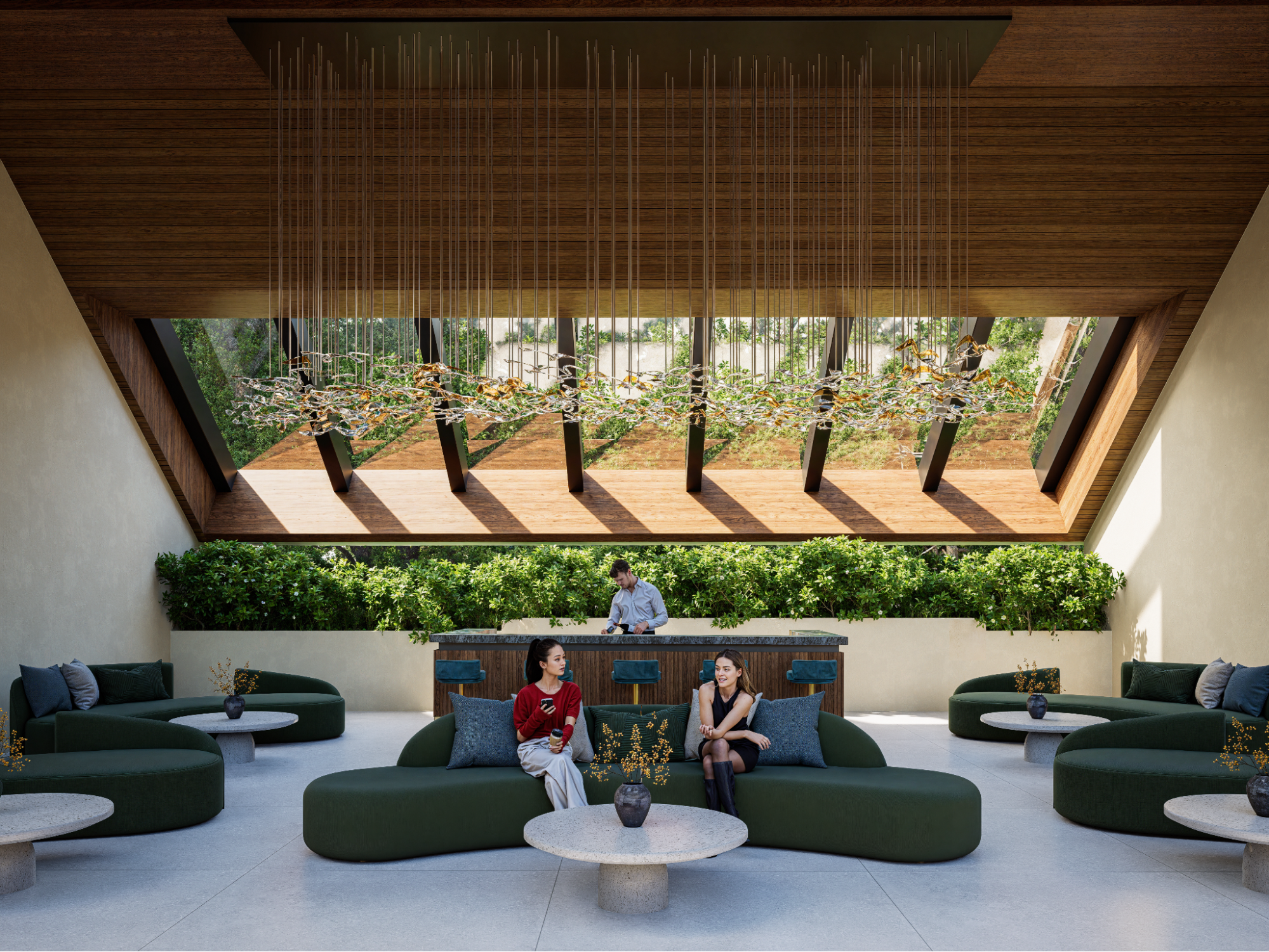
Natural light is the foundation of biophilic interior design ideas, shaping mood and spatial perception more powerfully than any artificial alternative. It is the most direct and immediate connection between an interior and the natural world — one that shifts across the day in ways that make a space feel alive and dynamic.
In the living room, maximizing natural light begins with openings: larger windows, glass doors, and layouts that avoid obstructing daylight paths. The goal is a soft, consistent light transition from morning to evening — one that reduces reliance on artificial sources and keeps the room attuned to the rhythm of the day outside.
Introduce Indoor Plants Strategically
Greenery is among the most accessible of all biophilic interior design ideas — but its effectiveness depends on how it is integrated, not simply how much is present.
Layered placement delivers the strongest result: larger floor plants anchor key areas, mid-height plants on surfaces add visual depth, and hanging varieties extend the composition vertically.
Restraint is the discipline here — plants should read as intentional spatial accents rather than decorative accumulation. When positioned with consideration for light conditions and spatial hierarchy, greenery enhances the living room's atmosphere without competing with its architecture.
Use Natural Materials
Material selection is central to biophilic interior design ideas. Natural materials, timber, stone, rattan, linen — engage the senses in ways synthetic surfaces cannot replicate. They carry tactile depth, respond to light differently across the day, and age with a quality that feels considered rather than worn.
In a living room, the application is deliberate: prioritize natural over synthetic finishes across flooring, furniture, soft furnishings, and surface accents. The sensory connection that natural materials establish is both immediate and enduring, contributing directly to the comfort and quality of the space delivered over time.
Create a Visual Connection to the Outdoors
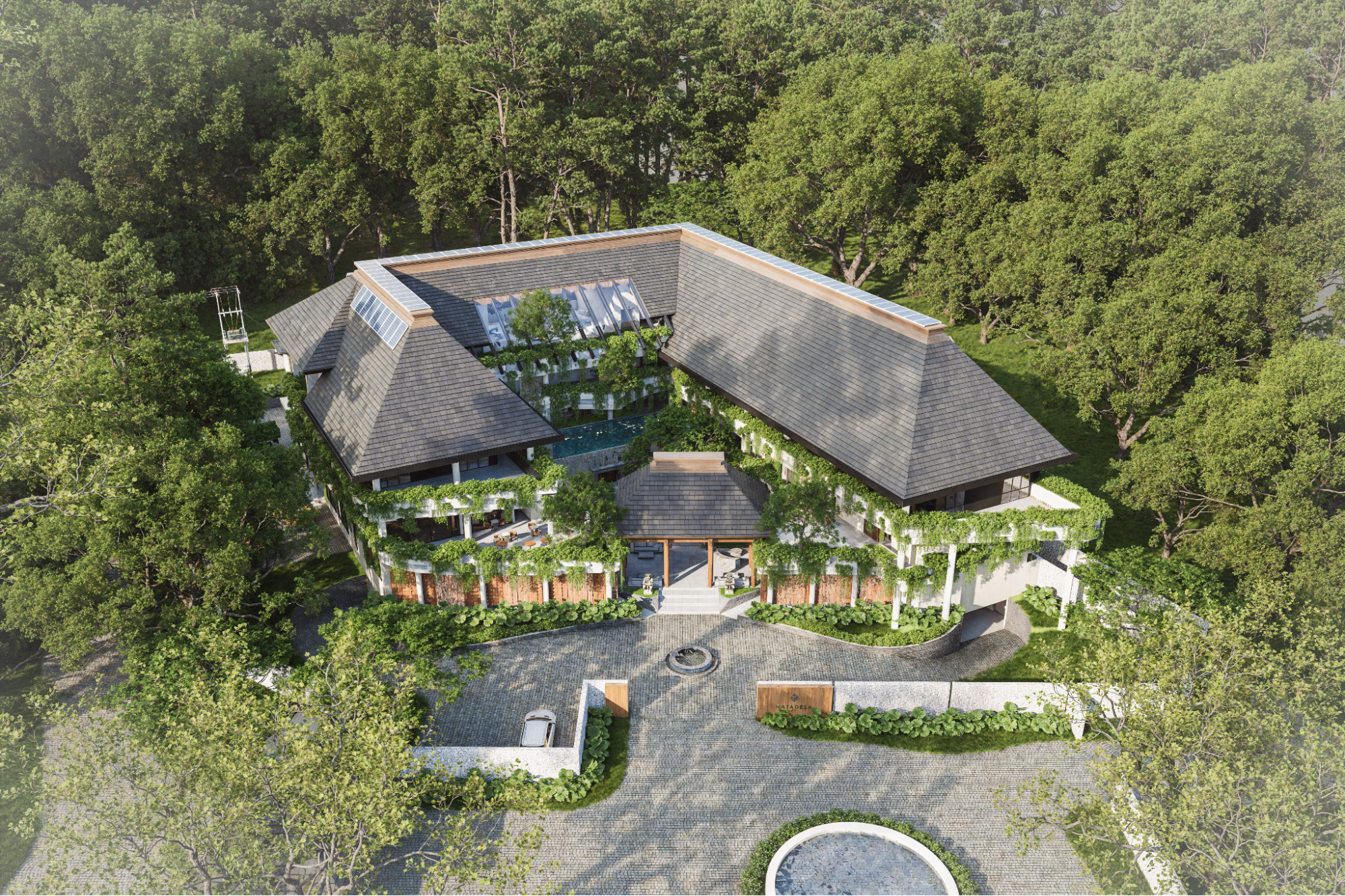
Biophilic interior design ideas are most effective when nature is visible — not merely implied through material or pattern choices. A direct visual connection to the outdoors extends the living room spatially and psychologically, making it feel larger, calmer, and more complete Kaplan & Kaplan, 1989.
This connection is established through framed garden views, open layouts that soften the boundary between inside and outside, and transparent elements — glass openings, sliding doors, and unobstructed sightlines — that keep the exterior landscape present within the interior experience, delivering a meaningful biophilic effect.
Incorporate Organic Shapes and Forms
The geometry of a living room shapes how it feels as much as its materials or light. Rigid, overtly rectilinear layouts can feel formal and static — the opposite of the natural, relaxed quality that biophilic interior design ideas are designed to create.
Curved furniture, nature-inspired patterns, and softened architectural edges introduce a spatial rhythm that feels organic rather than constructed. A curved sofa, a rounded coffee table, or a gently arched shelving element each contributes to an interior whose forms echo the irregular, fluid geometry of the natural world — instinctively comfortable, and visually at ease.
How It All Works Together
Light, plants, natural materials, outdoor views, and organic forms each contribute individually but biophilic interior design ideas perform best when these elements are designed to operate as a coherent system. Natural light enhances the texture of materials. Greenery reinforces the visual connection to the outdoors. Organic forms soften the overall spatial composition and tie every element together.
When aligned with intention, the result is a living room that feels calmer, more generous, and more meaningfully connected to nature.

Conclusion
Biophilic interior design is a thoughtful approach that brings the natural world into the home to improve comfort, well-being, and spatial experience. By combining natural light, strategic greenery, organic materials, outdoor connections, and soft forms, a living room becomes a genuinely restorative environment — one that supports daily life rather than simply containing it.
Manon Design Studio applies biophilic principles across residential and interior projects, creating living environments that feel as considered as they look. Contact us to explore what this approach can do for your living room.