

Do you love interiors that look beautiful and feel good? We live in times where we surround ourselves with matters such as materials, choices, and impact. More and more, people are realizing that interior design with sustainable materials is not just a nice idea, now it is a standard - more than a concept, it is a discipline of shaping beauty with responsibility.
If you are thinking of redesigning your home, workspace, or property, using sustainable materials can elevate not only the look, but the health, the story, and the longevity of your space.
Let Manon Design Studio show you how.
The Rise of Interior Design With Sustainable Materials
In 2025, sustainability is no longer optional, it is foundational. Most clients want interiors that reflect their values, feel healthy, and age with grace. Luxury is being redefined where it is not just about high-cost finishes, but about thoughtful choices, lower impact, and a story that your space tells.
Several trend reports highlight this clearly around this year, including:
- Maison Anna B notes that sustainable and eco-friendly materials (reclaimed wood, organic textiles, low-VOC paints, etc.) are among the top demands this year.
- The official Interior Design Trends 2025 report by Archiproducts mentions innovations in interior design with sustainable materials like water-based paints, recycled metals, and industrial waste-derived stones.
- BusinessCraft in 2025 says sustainable materials such as bamboo, cork, recycled metals have shifted from niche to expectation.
So what makes a material “sustainable,” and how can you use them without sacrificing style or comfort? Let’s explore!
What Makes Materials Sustainable?
Sustainable interior materials share some common attributes, such as:
- Low environmental impact
- Durability
- Non-toxic production
- Renewability
- Recyclability
Here are key types and features that are trending right now.
1. Natural Woods, Bamboo, and Reclaimed Timbers
FSC-certified wood, bamboo, and reclaimed timber are more than just sustainable choices, they tell a story. Each material brings warmth, texture, and a sense of authenticity that factory-made wood cannot quite match. Reclaimed timber, with its natural patina and imperfections, carries traces of its past life, adding character and depth to any space.
Meanwhile, bamboo has become a favorite for designers and homeowners alike. It grows quickly, renews itself naturally, and can be shaped into everything from elegant flooring to modern furniture and wall paneling. Together, these materials prove that sustainability and beauty can grow hand in hand.
Also Read: Modern Clinic Exterior Design Ideas for a Fresh Look in 2026
2. Recycled, Low-toxicity, and Natural Finishes
Designers like Manon today are paying closer attention to what goes into our walls, floors, and finishes. Low-VOC and zero-VOC paints, water-based resins, and natural plasters like lime or clay are becoming popular choices. Not just for their beauty, but for how they help reduce chemical off-gassing and keep the air we breathe cleaner.
The shift does not stop there. Recycled metals, glass, and tiles made from reclaimed materials are finding new life in everything from sleek surfaces to striking decorative details. It is designed with a conscience where spaces can look good, feel good, and do good for people and the planet.
3. Organic Textiles and Natural Fibers
Now, soft furnishings are getting a sustainable upgrade. Linen, cotton, wool, jute, and hemp are making their way back into our homes. It is not just because they are beautiful, but because they breathe, biodegrade, and are often locally grown or dyed without harsh chemicals.
These natural fabrics are steadily replacing synthetics in upholstery, curtains, rugs, and cushions, bringing comfort that feels as good as it looks. Even vegan leathers, crafted from plant-based materials, are now stepping into the spotlight offering the same style and durability without the environmental cost.
It is proof that thoughtful interior design with sustainable materials can be gentle on the planet and still feel utterly luxurious to our properties.
4. New and Innovative Sustainable Materials
Innovation in design is also turning waste into something truly worthwhile. Materials made from recycled or industrial by-products like stones and composites crafted from mixed aggregates are giving discarded matter a second life.
At the same time, bio-based composites and biodegradable fabrics are gaining attention for their low impact and high versatility. Even cork is making a comeback, not just as a flooring option but as a stylish wall finish or paneling.
Interior design with sustainable materials offers natural sound insulation, a warm tactile feel, and a reminder that sustainability can look and feel beautiful.
Why Sustainable Materials Add Real Value
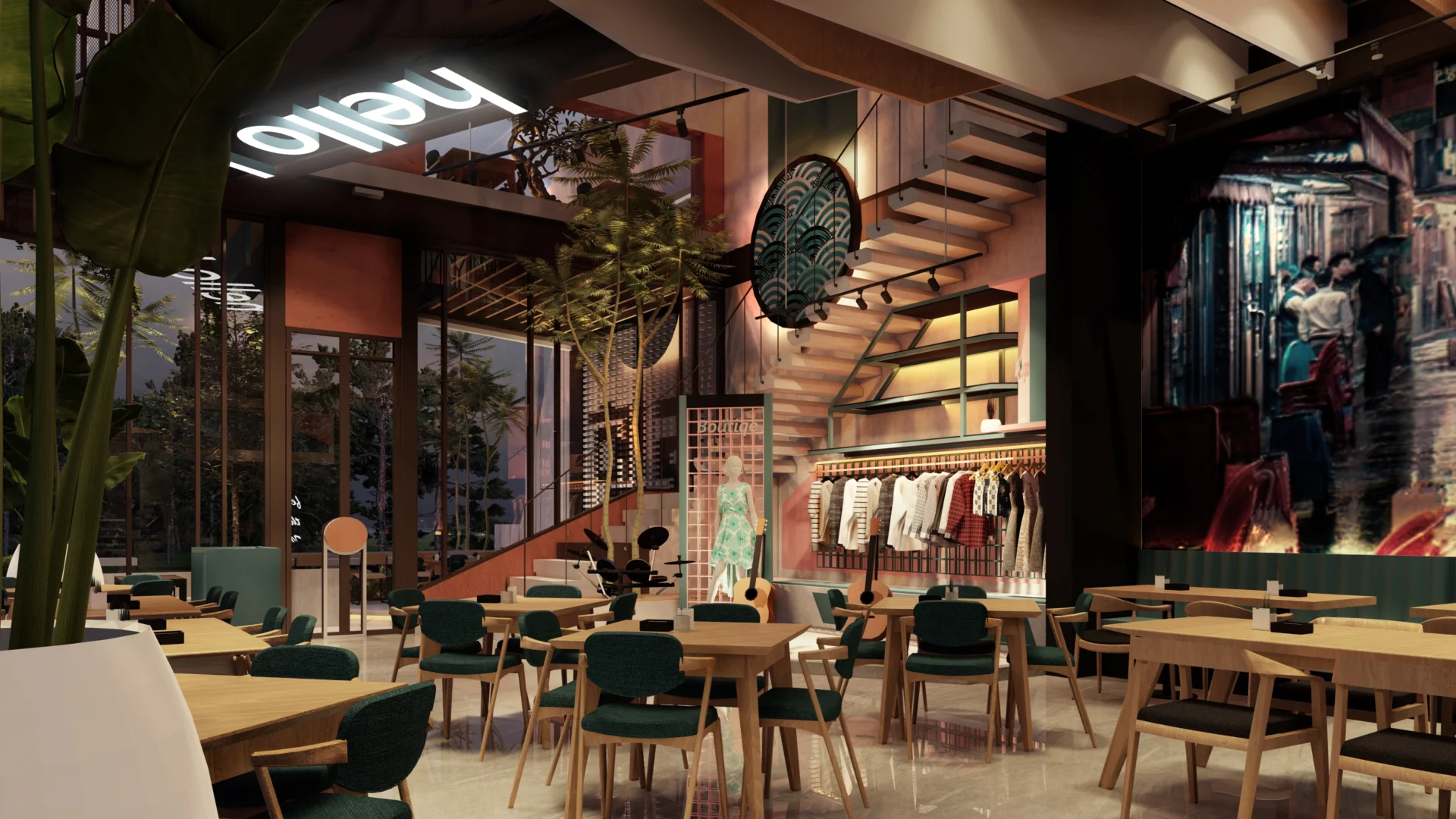
Using sustainable materials is not just a “feel-good” interior design with sustainable materials choice, it is a smart, forward-looking investment that shapes how people live, breathe, and connect with a space. But how is it?
1. Health and Indoor Air Quality
When you choose low-VOC paints, natural fibers, or non-toxic adhesives, you are crafting a space that breathes easier. Cleaner air and fewer chemicals make interiors not only more comfortable, but genuinely healthier to live in.
2. Durability and Longevity
Sustainable materials are built to last. Instead of fading or breaking down, they develop a beautiful patina over time. It is the kind of longevity that saves costs, reduces waste, and keeps spaces looking timeless.
3. Aesthetic and Storytelling
Every interior design with sustainable materials has its own narrative. The grain of reclaimed wood, the texture of handwoven fabric, the imperfection of stone. They all tell stories of craft and origin where the details people feel, remember, and emotionally connect with.
4. Environmental and Ethical Integrity
Choosing certified woods, recycled content, or low-impact finishes means aligning design with conscience. It reflects global ESG values, sustainability goals, and the growing expectation that great design should also do good.
5. Market Edge and Property Value
Beyond ethics, interior design with sustainable materials is also good business. Homes and spaces built with sustainable materials tend to attract more discerning buyers, rent faster, and age better. They embody wellness, lifestyle, and purpose which are the qualities that make design beautiful and future-ready.
Also Read: 2025 Guide to Eco Friendly Building Design
Interior design with sustainable materials is not just a trend, if you are looking for a path toward beauty that lasts, spaces that breathe, and design that respects both people and planet, this design is for you. Sustainable material is not only about health, but also style, durability, and meaningful aesthetics.
If you are imagining your next space to be stylish and sustainable, warm and responsible, Manon Design Studio is here to make it happen.
Consultation with our dedicated team now to make it come true.