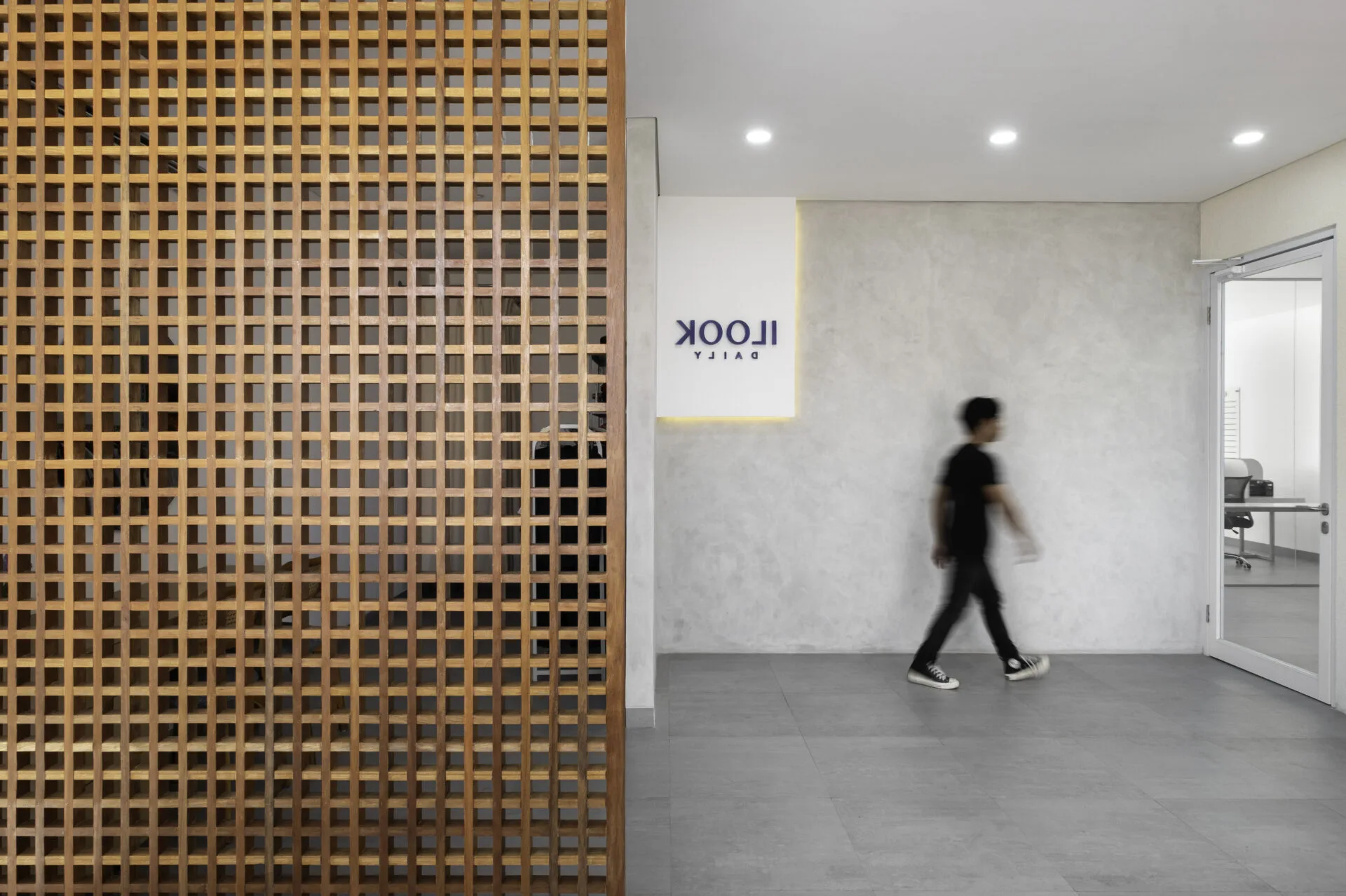
A workspace should do more than simply provide a place to sit and work. The way a room is arranged, decorated, and lit can significantly influence how people think, focus, and interact within that space. Thoughtful interior office design helps transform ordinary rooms into environments that support productivity, creativity, and comfort.
Today, many professionals work in flexible environments, from home offices to collaborative studio spaces. Because of this shift, this design has become increasingly important. A well-designed workspace can help reduce distractions, improve organization, and create an atmosphere that encourages clear thinking for everyone.
In places like Bali, interior spaces often draw inspiration from nature, combining warm materials, natural light, and open layouts. At Manon Design Studio, interior office design is approached as a balance between functionality, aesthetics, and the human experience of space.
This article explores several practical design ideas that can help you transform any room into a more inspiring and effective workspace. Shall we begin?
The Importance of Thoughtful Interior Office Design
Interior office design refers to the planning and arrangement of workspace interiors to improve functionality, comfort, and visual harmony.
Effective design considers several things, such as:
- Layout
- Lighting
- Materials
- Decorative elements
Understanding the importance of this design begins with recognizing how the built environment affects daily activities. How is that?
- The placement of furniture,
- access to natural light, and
- overall layout.
These can influence how people move, concentrate, and collaborate.
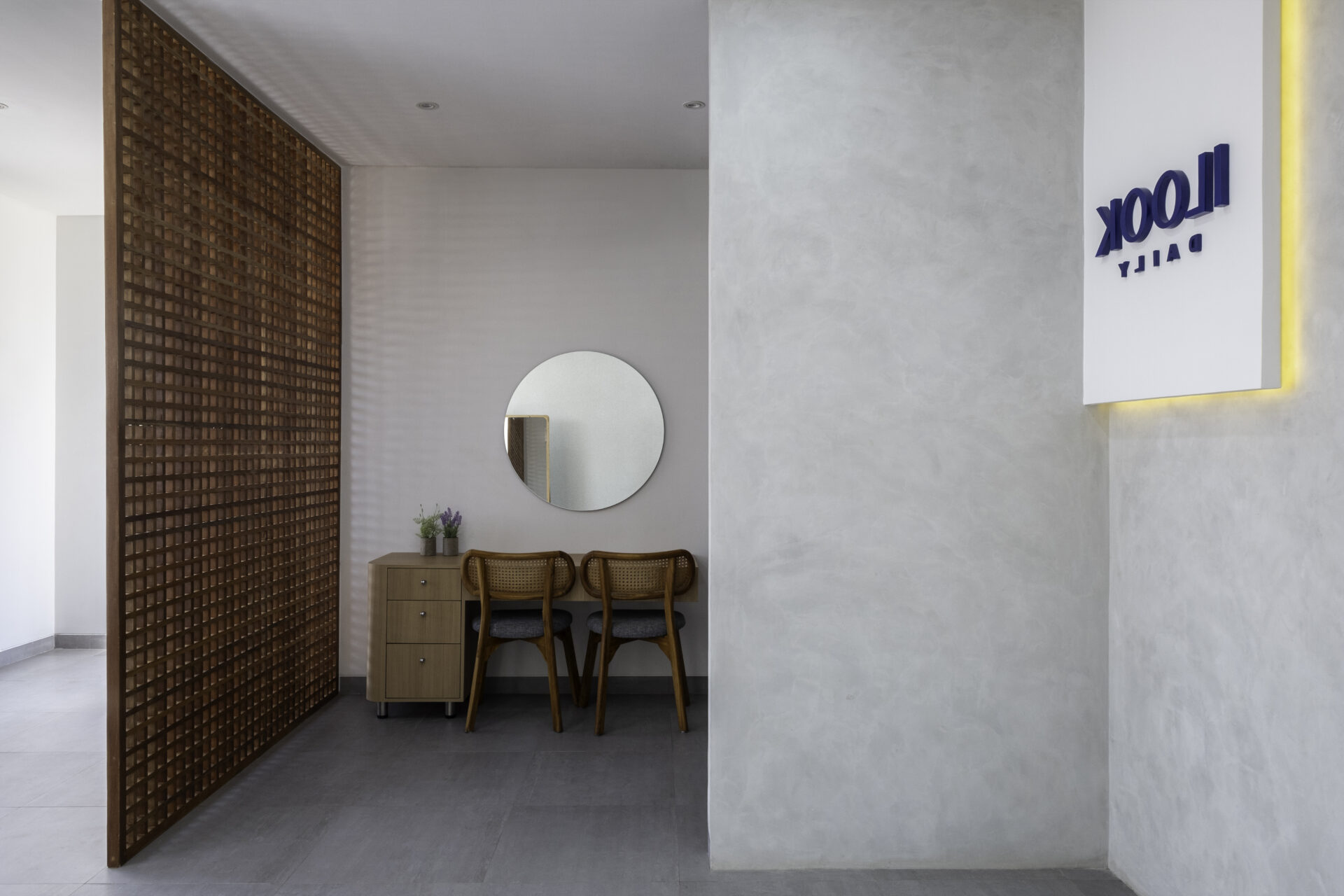
For example, a workspace with balanced lighting and open circulation areas can help reduce fatigue and support longer periods of focus. Similarly, a well-organized room helps minimize visual clutter, making it easier to concentrate on tasks.
These factors highlight why thoughtful interior office design is essential for both home workspaces and professional environments.
4 Smart Effective Interior Office Design
Successful interior office design is rarely the result of random decoration. Instead, it emerges from intentional decisions that balance function and atmosphere.
One important principle is spatial clarity. Workspaces should be arranged so that movement feels natural and intuitive. Furniture placement also should support workflow while maintaining enough openness for comfort.
Another principle of this design is visual harmony. When colors, materials, and lighting work together, the environment feels calm and cohesive. Rather than filling a room with too many decorative elements.
To apply these principles, you can evolve a simple work area into a thoughtfully designed environment with these tips by our expert team at Manon:
1. Create Visual Anchors
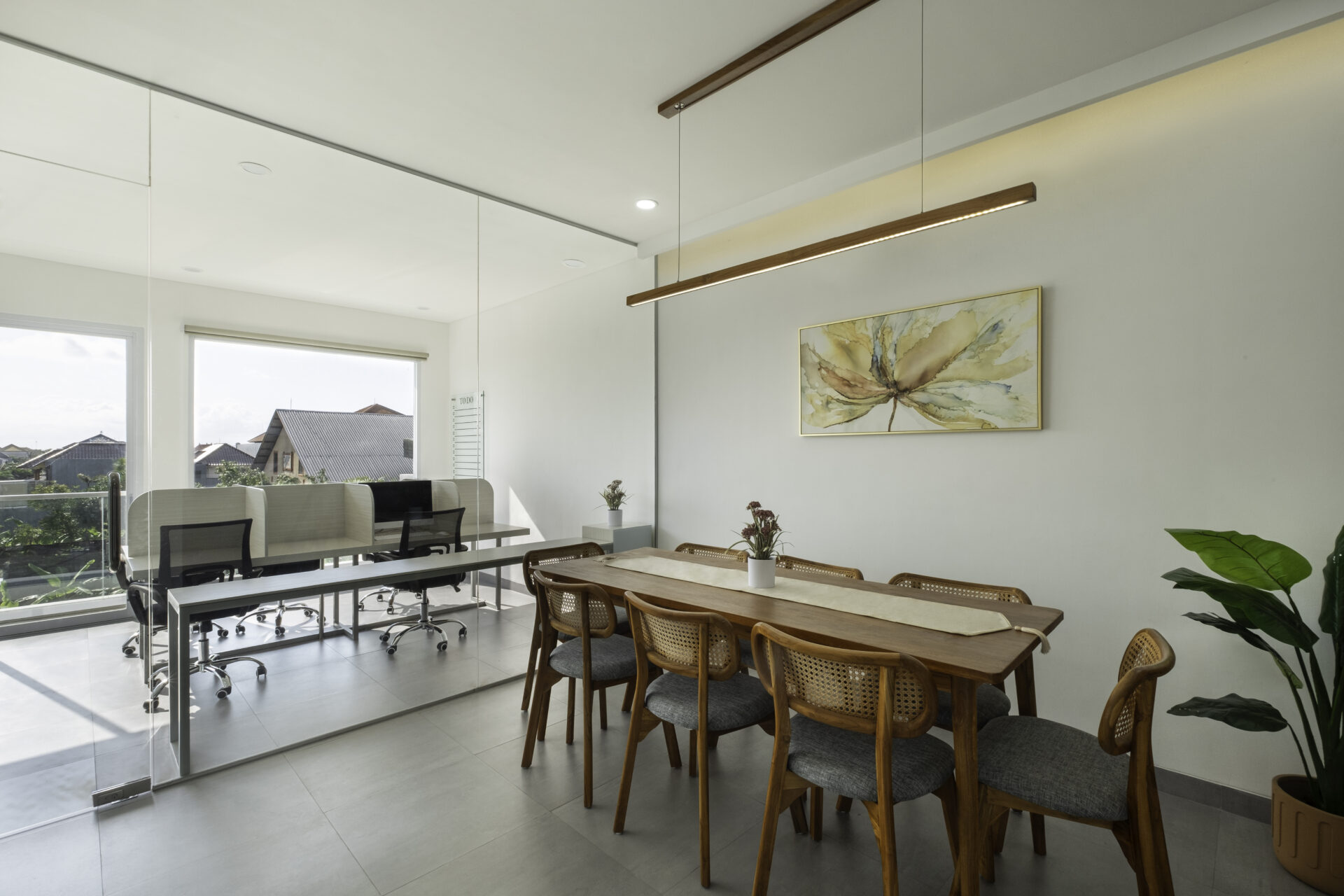
A useful strategy in interior office design is the creation of visual anchors. A visual anchor is a focal point that draws attention and gives a room a sense of structure.
In a workspace, this could be a central desk, a piece of artwork, or a distinctive shelving unit. Lighting fixtures or a feature wall can also serve as visual anchors that guide the eye and define the character of the room.
Without a focal point, interiors may feel scattered or visually overwhelming. By incorporating a clear visual anchor, this interior design becomes more organized and balanced, helping the room feel intentional and cohesive.
2. Mix Texture, Not Just Colors
Many people think of interior design primarily in terms of color. However, texture often plays an equally important role in creating depth and visual interest.
In interior office design, mixing textures can bring warmth and dimension to a room without making the space feel overly busy.
For instance, combining smooth surfaces with natural materials such as wood, woven fabrics, or stone can create a balanced atmosphere.
A desk with a natural wood finish paired with soft fabric seating and subtle metallic accents introduces contrast while maintaining harmony. This approach is often seen in Bali-inspired interiors, where natural materials help create calm and grounded spaces. By focusing on texture as well as color, your interior design can achieve a refined yet comfortable aesthetic.
3. Bring Nature Indoors
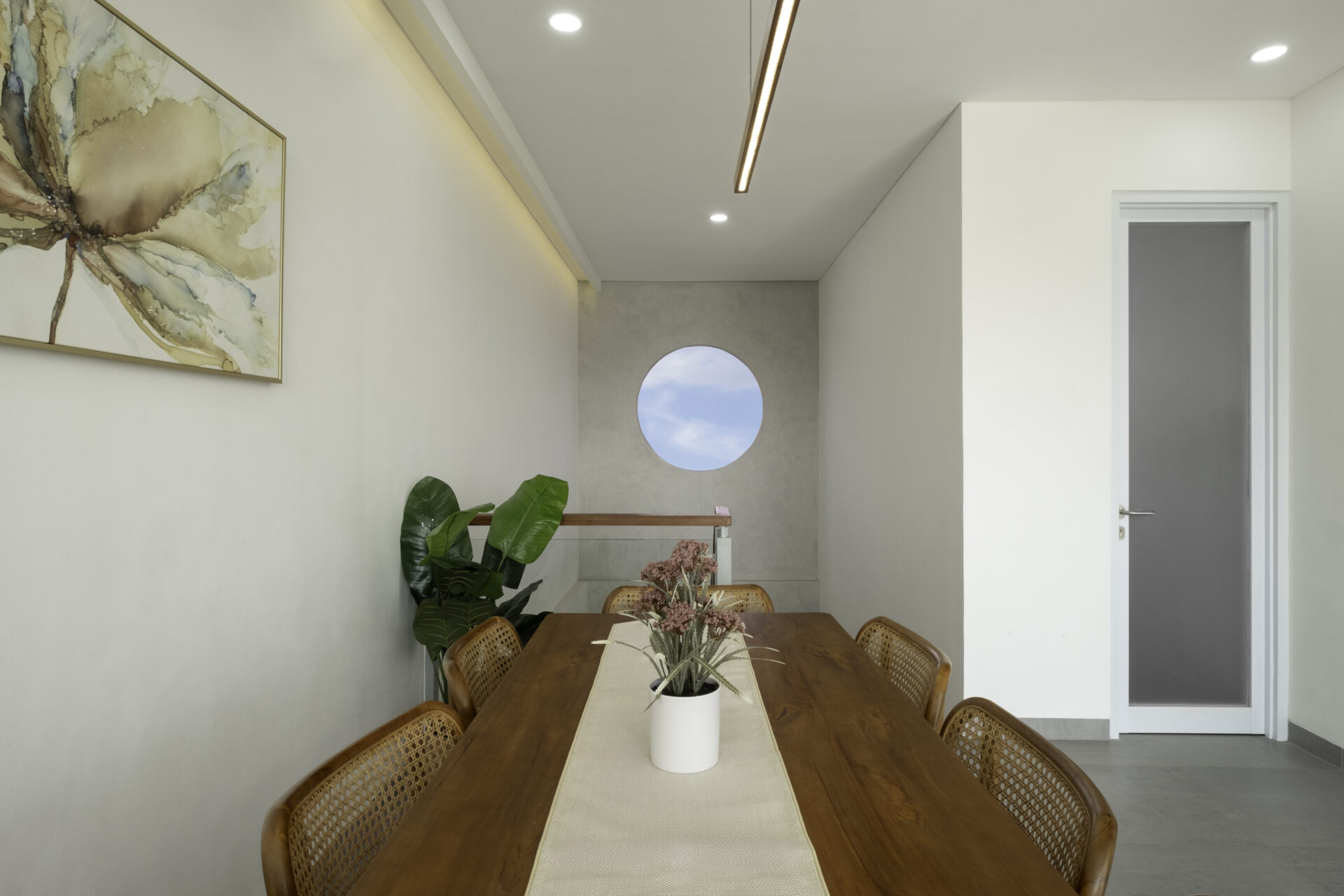
One of the most effective ways to enhance your interior office design is by incorporating natural elements that can transform a workspace into a more refreshing environment, including:
- Plants
- Natural light
- Organic materials
Indoor plants, for example, can soften the visual appearance of a room while also improving air quality. Large windows or strategically placed lighting can bring daylight into the workspace, creating a brighter and more energizing atmosphere.
This approach is particularly common in Bali, where architecture and interior design often emphasize a close relationship with nature. Integrating greenery, natural textures, and open layouts allows interior office design to feel calm and connected to the surrounding environment.
Also Read: The Evolution of Shophouse Design
4. Personal Objects Over Generic Decor
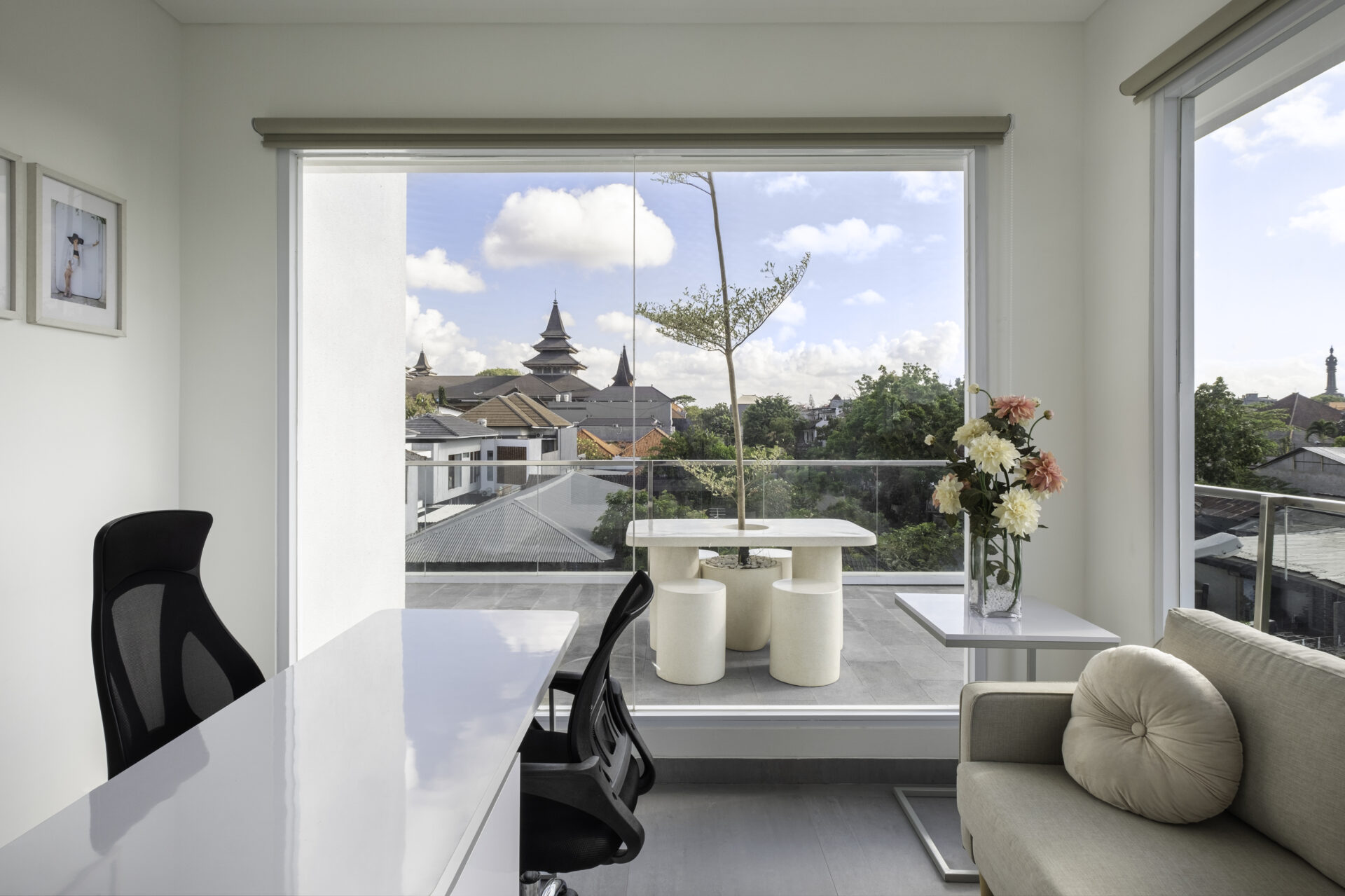
Another important element of thoughtful interior office design is personalization. While generic decorations may fill empty walls, personal objects can create a stronger emotional connection to the space.
Books, travel souvenirs, artwork, or meaningful photographs can make a workspace feel authentic and inspiring. These objects reflect individual identity and creativity, turning your office into a space that feels uniquely personal.
In many cases, incorporating personal elements into your interior design helps transform the room from a purely functional area into a place where ideas and inspiration can grow.
How Interior Office Design Influences Productivity and Well-Being
The environment in which people work has a direct influence on focus and well-being. Effective interior office design can influence several common things, such as:
- Reduce distractions
- Improve comfort
- Support sustained productivity
- Provides clear organization
- Comfortable seating
- Appropriate lighting
These elements help reduce physical strain and mental fatigue during long working hours.
Adding natural elements such as plants and daylight can also improve mood and concentration. For this reason, thoughtful design often prioritizes balanced layouts and calming visual elements that help people feel more relaxed and engaged with their work.
How Can You Design Interior Spaces With a Bali-Inspired Approach?
Bali is widely recognized for its relaxed yet refined design philosophy, shaped by a long-standing relationship between architecture, culture, and nature.
Interiors in this region often emphasize natural materials, open spatial layouts, and soft color palettes inspired by the surrounding landscape. This approach reflects broader principles of tropical architecture that prioritize harmony with the environment which is a concept widely explored in Southeast Asian design research. (UNESCO cultural landscape studies; Environmental Psychology)
Incorporating these ideas into interior office design can help create environments that feel calm, welcoming, and supportive of well-being. Research has shown that workplaces incorporating natural materials and nature-inspired elements can significantly improve employee satisfaction and productivity.
For example, a global workplace study by Human Spaces found that employees working in environments with natural design elements reported 15% higher well-being and 6% higher productivity compared to those in conventional offices.
Materials, such as:
- Wood
- Stone
- Woven textures
Also, often found in Balinese interiors which add warmth and tactile richness to a space, while neutral color palettes help create visual balance and reduce sensory overload. These qualities align with broader workplace design trends that emphasize comfort and psychological well-being.
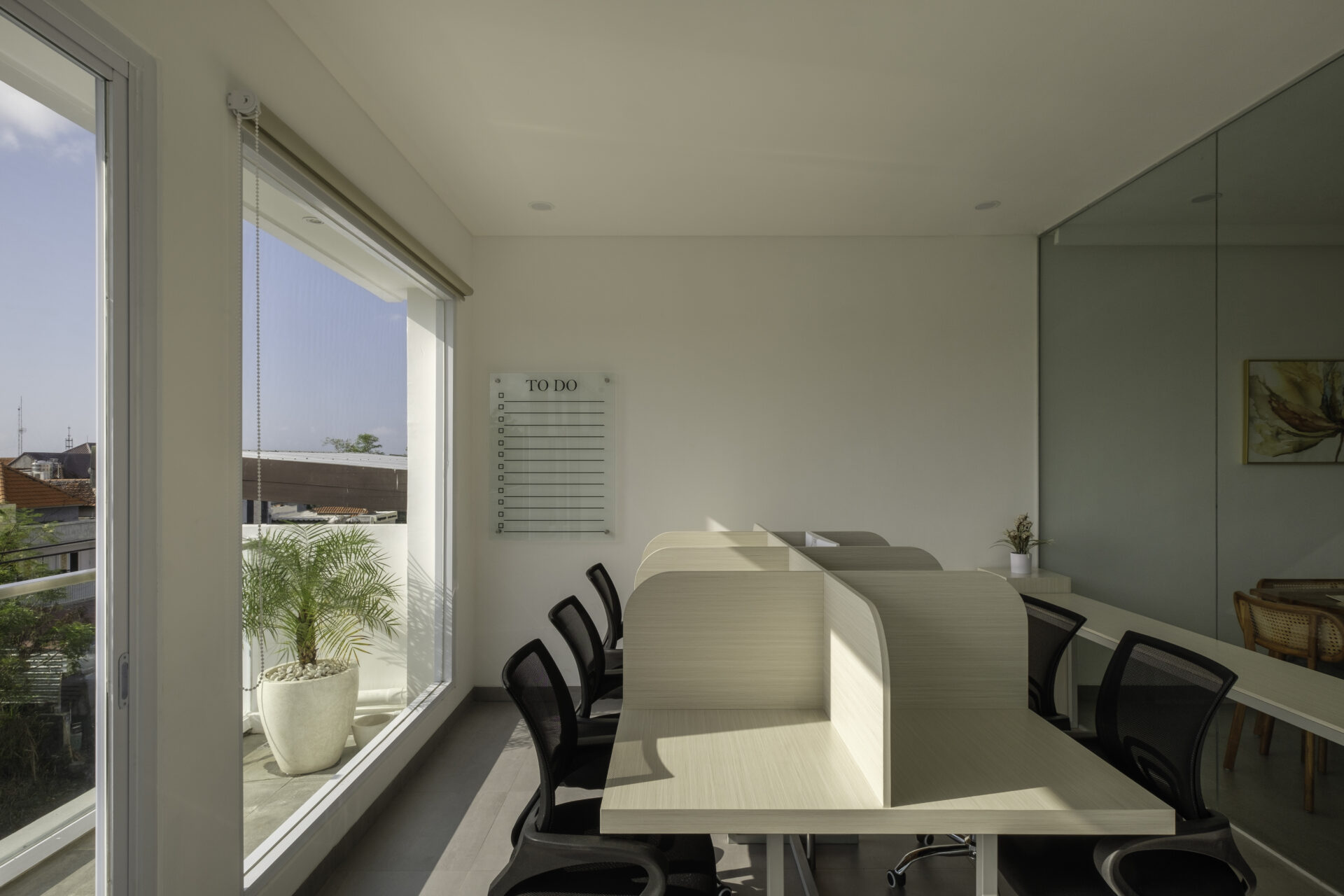
According to research from the World Green Building Council, offices designed with natural elements and improved indoor environmental quality can support up to 26% better cognitive function and productivity.
Moreover, natural ventilation and access to outdoor views are also defining features of Bali-inspired interiors.
Tropical architecture traditionally relies on passive cooling strategies, such as:
- Cross-ventilation
- Shaded openings
- Indoor–outdoor spatial transitions
These points help maintain comfort without heavy mechanical systems. These strategies are increasingly relevant today as sustainable design becomes a global priority.
Studies on daylight and views of nature, such as those by environmental psychologist Roger Ulrich, demonstrate that exposure to natural views can reduce stress and improve overall mental well-being.
When applied thoughtfully, these elements allow interior office design to feel both sophisticated and deeply connected to nature.
As companies increasingly prioritize employee well-being and sustainable work environments, Bali-inspired design principles offer a timeless approach—one that balances aesthetics, comfort, and environmental awareness while creating spaces that feel both productive and restorative.
Working With Interior Design Professionals
While simple improvements can enhance a workspace, professional guidance can help you ensure that all design elements work together effectively. Why? Simply because designers consider layout, lighting, materials, and functionality to create cohesive interiors.
For individuals or businesses planning a workspace transformation, professional interior office design services can provide valuable insight into how a room can be optimized.
And Manon Design Studio, we approach this with careful attention to natural balance, spatial flow, and the character of each space. By combining thoughtful planning with a nature-inspired perspective, our studio helps create interiors that feel both refined and comfortable for you.
Speak with our expert team today and discover how we help bring your dream space to life.
FAQ
1. What is interior office design?
Interior office design focuses on planning and arranging workspace interiors to improve productivity, comfort, and visual balance. It involves organizing layouts, selecting materials, and managing lighting to create an efficient and inspiring work environment.
2. Why is interior office design important?
Because the workspace environment directly affects focus, creativity, and well-being. A well-designed space can reduce stress, improve organization, and make daily work more comfortable.
3. How can interior office design improve productivity?
Interior office design improves productivity by creating organized layouts, comfortable seating, proper lighting, and calming visual elements. These factors help people stay focused and motivated throughout the workday.