

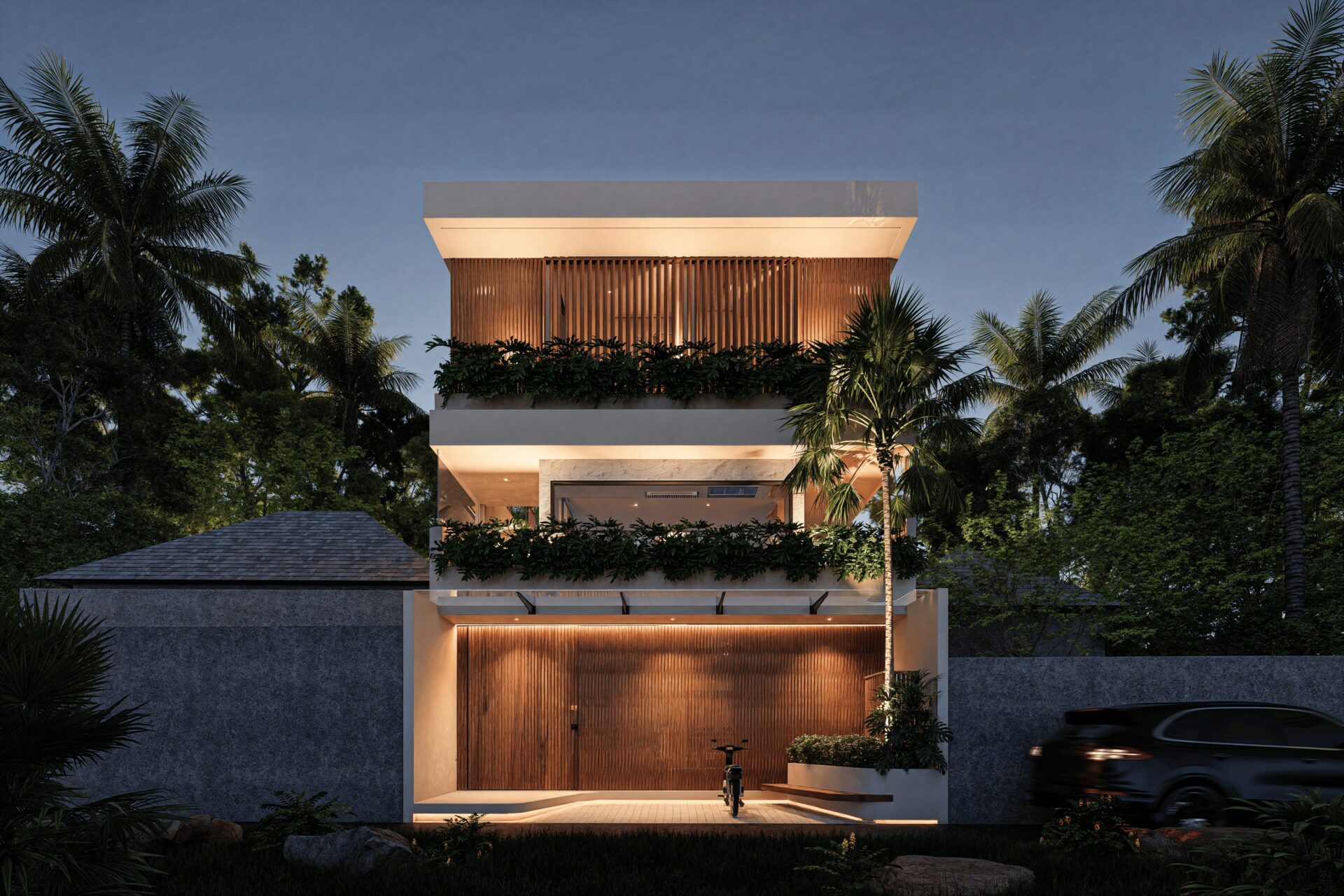
Architecture is more than just walls and roofs; it is about rhythm, flow, and the experience of moving through space. At Manon Design Studio, our split-level house plans embody this philosophy by transforming ordinary homes into layered experiences.
Every step, view, and transition tells a story. These designs redefine how we live by connecting spaces vertically and emotionally, creating homes that feel spacious and light-filled.
For a deeper understanding of this topic, come along and let’s explore with Manon!
What Makes Split-Level House Plans So Distinctive
Unlike traditional layouts that rely on walls or corridors to separate rooms, split-level house plans use subtle elevation changes to define space. Just a few steps up or down can shift perspective entirely — turning a quiet family nook into an open living area that frames the horizon.
“This vertical choreography allows you to maximize every square meter of land while maintaining a natural connection between living, resting, and social zones.”
This approach has become especially relevant in Bali’s residential design landscape, where architectural trends increasingly favor fluidity, flexibility, and a strong relationship with nature. Rather than rigid compartmentalization, responding to sloping land, tropical views, and indoor-outdoor living patterns like Bali.
Split-level house plans layouts support this by allowing spaces to unfold organically, adapting to the terrain instead of flattening it, while creating visual depth and spatial interest throughout the home.
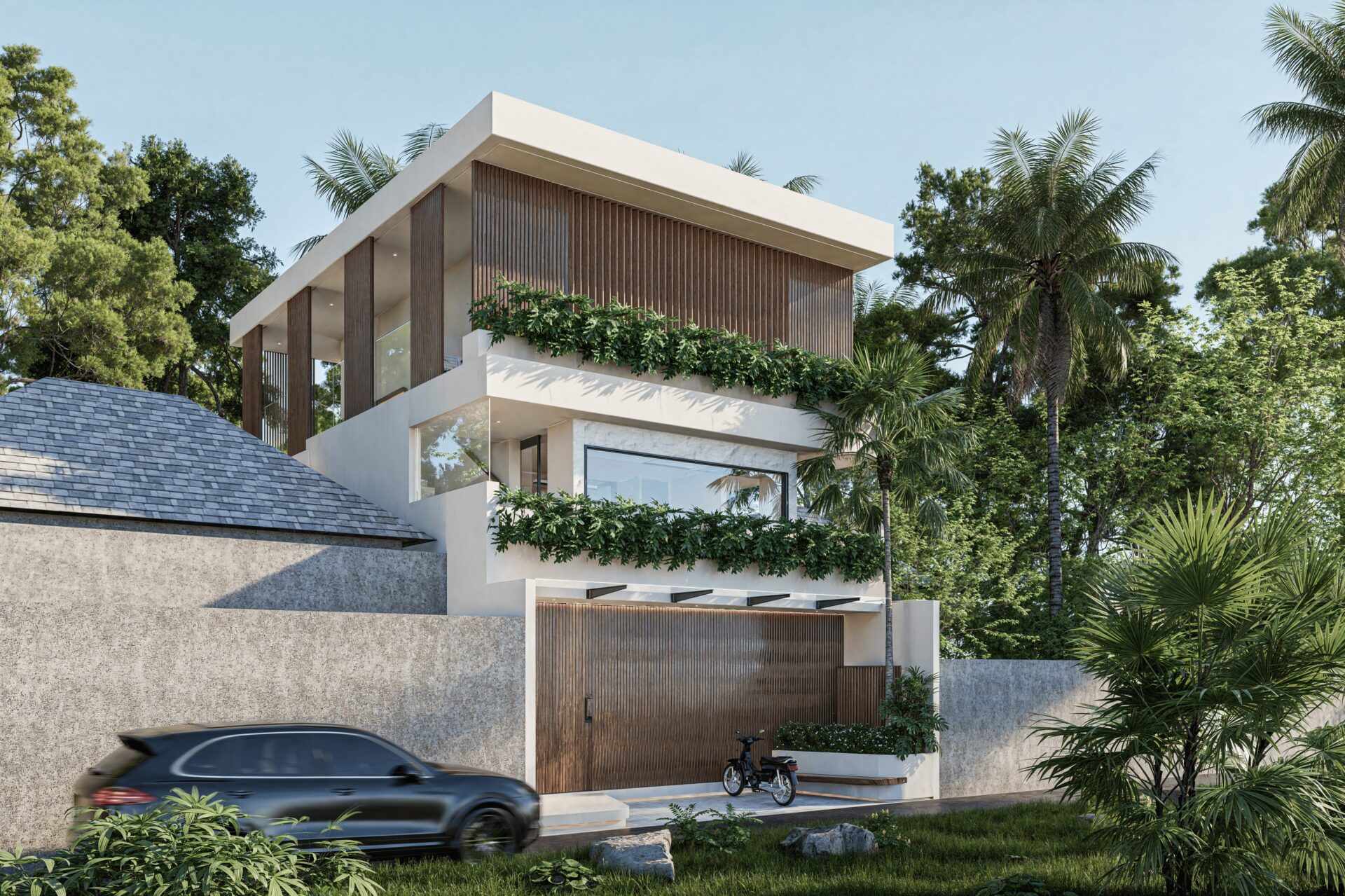
At the same time, Bali’s growing focus on passive design strategies has made split-level planning even more appealing. Multi-height spaces and staggered floors naturally enhance cross-ventilation and daylight distribution, reducing dependence on mechanical cooling, which is a principle increasingly emphasized in eco-conscious residential developments across the island. (Seven Stones Indonesia, Top 6 Real Estate Trends in Bali to Watch in 2025, 2024)
This aligns with broader Bali villa design trends that prioritize comfort, wellness, and sustainability without sacrificing spatial quality.
Architecturally, Bali’s contemporary homes are also moving away from rigid, box-like forms toward organic spatial sequencing, where spaces feel layered rather than stacked. Split-level plans fit seamlessly into this direction, offering flexibility for evolving lifestyles while preserving openness and visual continuity — qualities increasingly highlighted in Bali’s 2025–2026 residential design outlook. (Des Res Bali, Bali Design Now: What’s Timeless, What’s Tired)
In this context, split-level house plans are no longer just a stylistic choice, but they represent a practical and forward-thinking response to Bali’s climate, terrain, and modern living habits with a deep sensitivity to place.
Design Principles Behind Split-Level House Plans
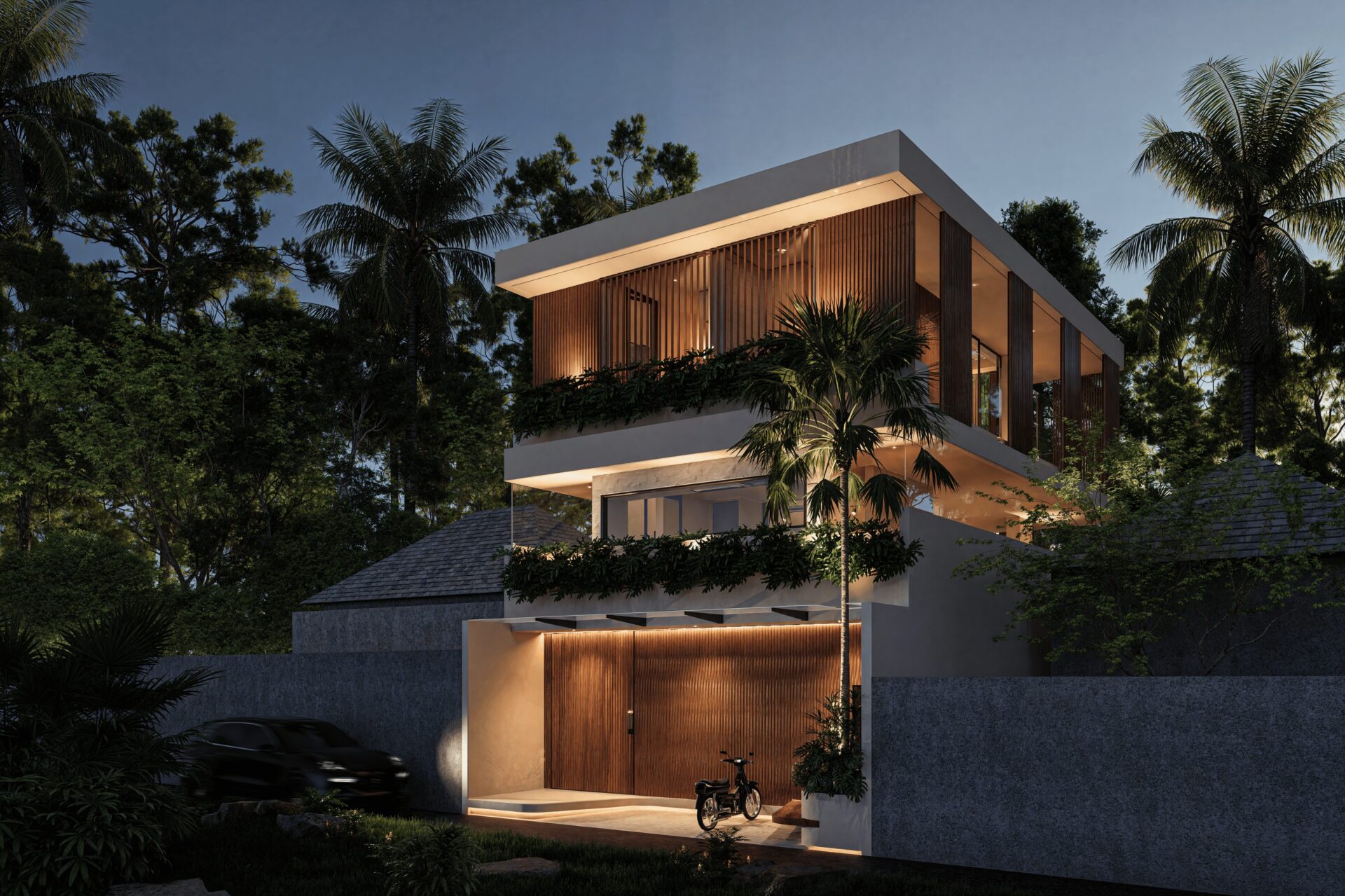
1. Layered Living Spaces
Split-level homes allow each area to have its own personality while staying visually connected. A living room might overlook the dining space below, or a study may sit just a few steps above the garden, creating both separation and connection in one gesture.
2. Tailored Ceiling Heights
Varying wall and ceiling heights enhance spatial drama. Lower ceilings in intimate areas encourage calm, while higher ceilings in communal zones evoke openness and energy.
3. Seamless Stair Design
Stairs are more than connectors; they are sculptural elements that express the home’s rhythm. Thoughtful placement ensures flow between levels while adding architectural character that elevates the interior experience.
4. Cohesive Visual Storytelling
Every level, wall, and material choice contributes to a unified story. Whether through warm timber accents, exposed stone, or sleek concrete, we design each layer to complement the next, creating balance between structure and sentiment.
Also Read: Bali Villa Floor Plans for Your Perfect Retreat 2025
How We Bring Split-Level Concepts to Life
Designing split-level house plans demands creativity and technical precision. Our team employs an integrated process that balances beauty and buildability.
Here are the steps:
Step 1: Understanding the Site
We begin with a thorough site analysis, studying contours, natural drainage, and sunlight direction to identify opportunities where level changes enhance rather than challenge the design.
Step 2: Concept and Spatial Visioning
Once the site’s character is understood, we translate the client’s story into form, identifying the key vertical transitions that define the split-level structure. This stage is where the design narrative takes shape.
Step 3: Flow and Circulation
We carefully choreograph movement through the home, from public to private, from light to shade. Each level is designed to transition intuitively, creating an experience that feels natural and connected.
Step 4: Visualization and Detailing
With 3D modeling and detailed visual studies, we test how light interacts across levels and how materials define each transition. By allowing clients to experience the flow before construction, we ensure clarity and comfort in every design decision.
Design Tips for Split-Level Homes
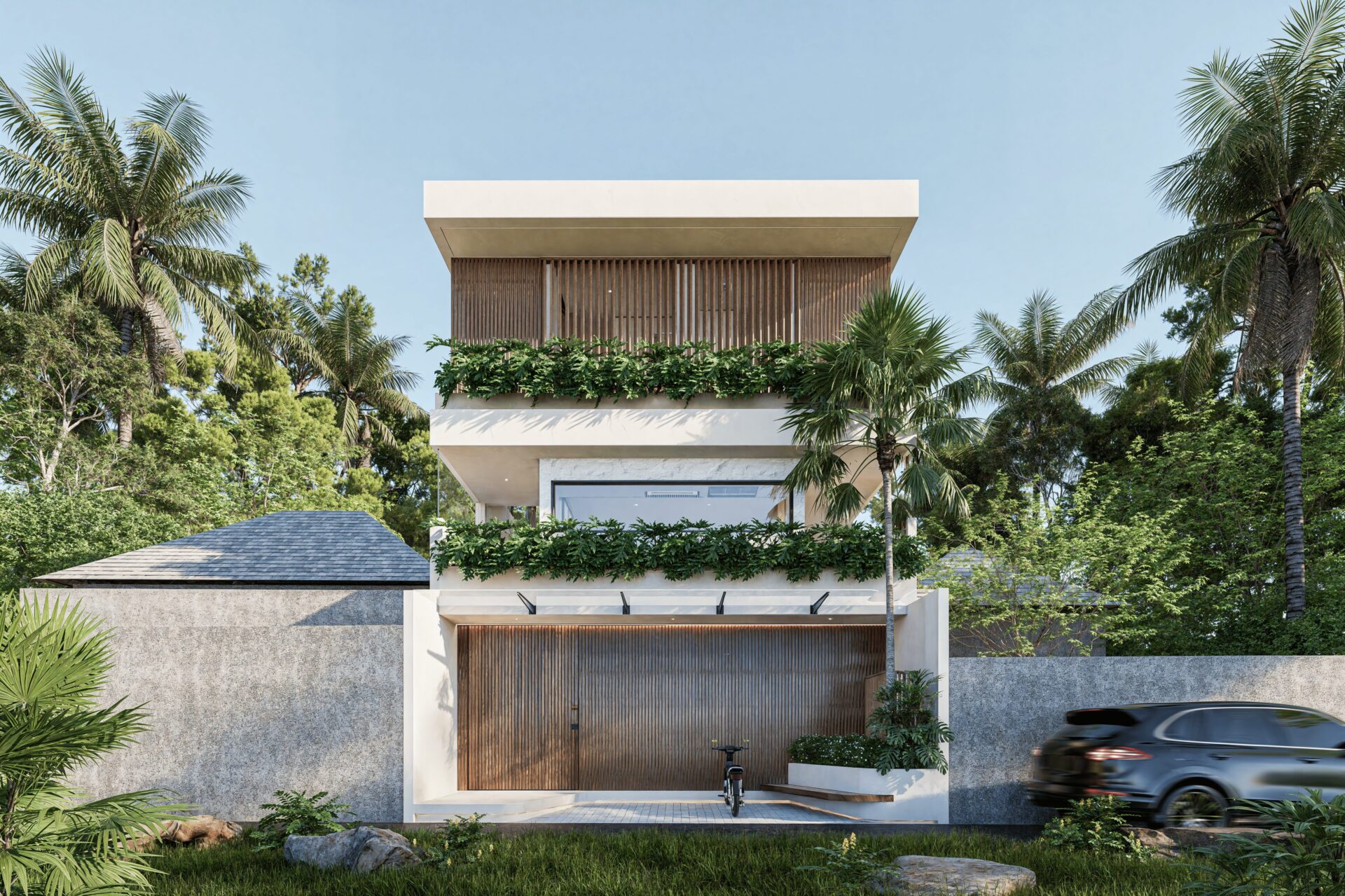
Drawing from our design practice, here are some principles to consider when creating or adapting split-level house plans:
- Maximize Natural Light: Position windows to capture daylight from multiple angles, ensuring even lower levels feel bright and inviting.
- Create Logical Transitions: Use half-levels to define functional zones; a subtle rise from the living room to the kitchen can enhance flow and distinction.
- Balance Openness and Privacy: Vertical separation offers privacy without isolation. Bedrooms can sit quietly above shared areas while still feeling part of the home.
- Integrate Landscaping: Connect indoor and outdoor levels seamlessly with terraced gardens or step-down courtyards.
- Embrace Material Harmony: Choose materials that visually link one level to another. Continuity makes the home feel unified and intentional.
To gain a better understanding of split-level house plans, you can learn more through our Tanara Layers project or contact us for personal insights and guidance.
Also Read: Explore Top Types of Interior Design Styles
Craft the Home That Moves With You
Today’s homes are evolving; they are no longer confined by traditional layouts. Families want open spaces that adapt to their lifestyles, and split-level house plans answer this need with grace.
Your home should evolve with your rhythm, from sunrise reflections to evening calm. Let Manon Design Studio design your story through split-level house plans that elevate everyday living.
Connect with us today, and let’s begin shaping spaces that do not just look beautiful but feel alive.