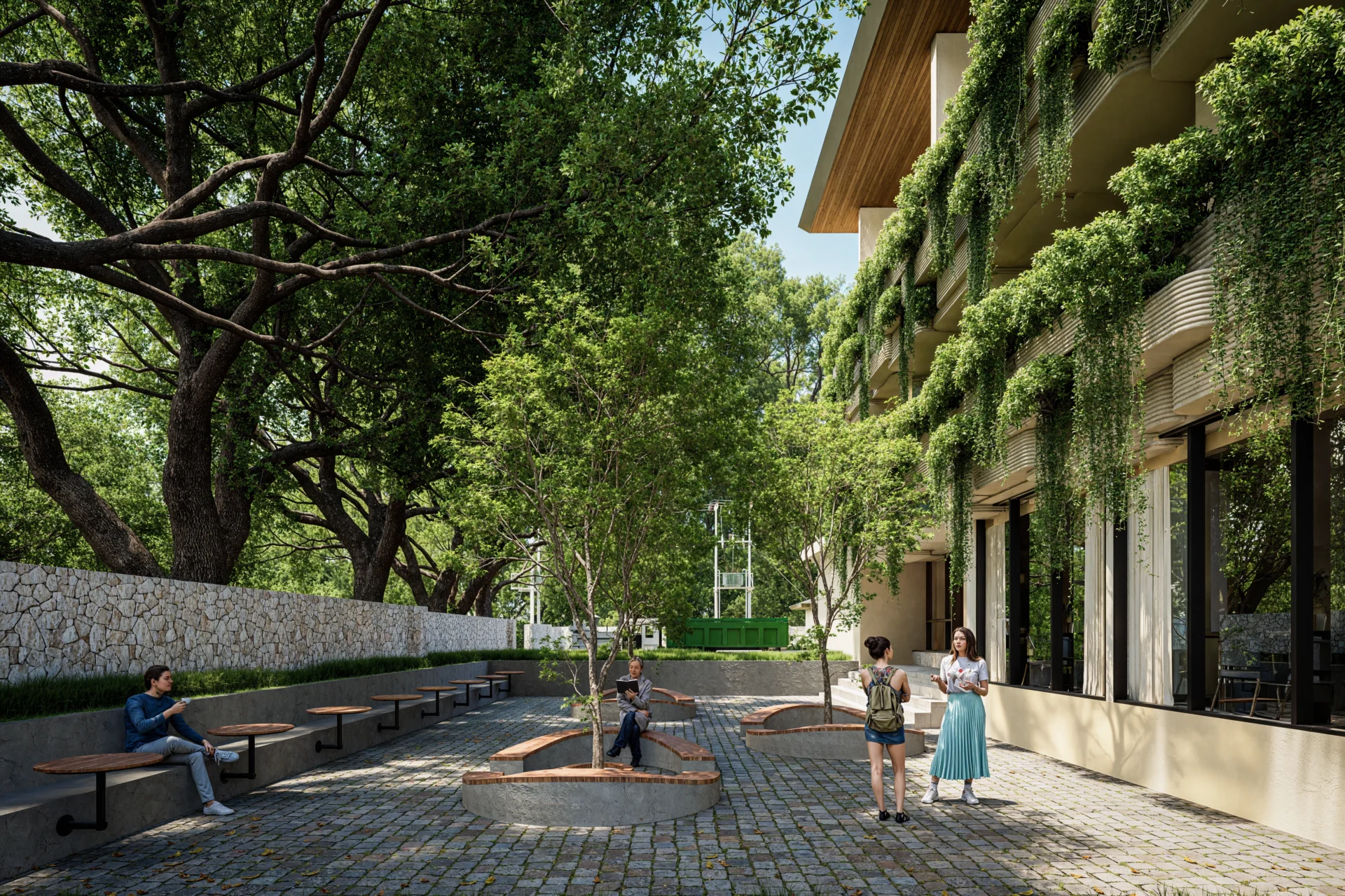
Architecture influences far more than the physical appearance of buildings. It shapes how people move, live, and experience the spaces around them. From homes and workplaces to public environments, thoughtful design can improve comfort, encourage interaction, and strengthen our connection with the surrounding environment. This naturally leads to an important question: “why is architecture important in modern life?”
In today’s world, architecture is increasingly expected to do more than provide shelter. It must respond to human needs, local culture, and environmental conditions. When architecture is designed with intention, it can transform everyday spaces into environments that promote balance, well-being, and meaningful experiences.
For design studios working in places like Bali, this question becomes even more relevant. That is why, in this article, we from Manon Design Studio will explore why is architecture important, particularly in connecting people, places, and nature.
Read on to learn more.
Why Is Architecture Important for Everyday Life
At its core, architecture organizes how people interact with their environment. The layout of a home, the openness of a living area, or the placement of windows can all influence how comfortable and functional a space feels.
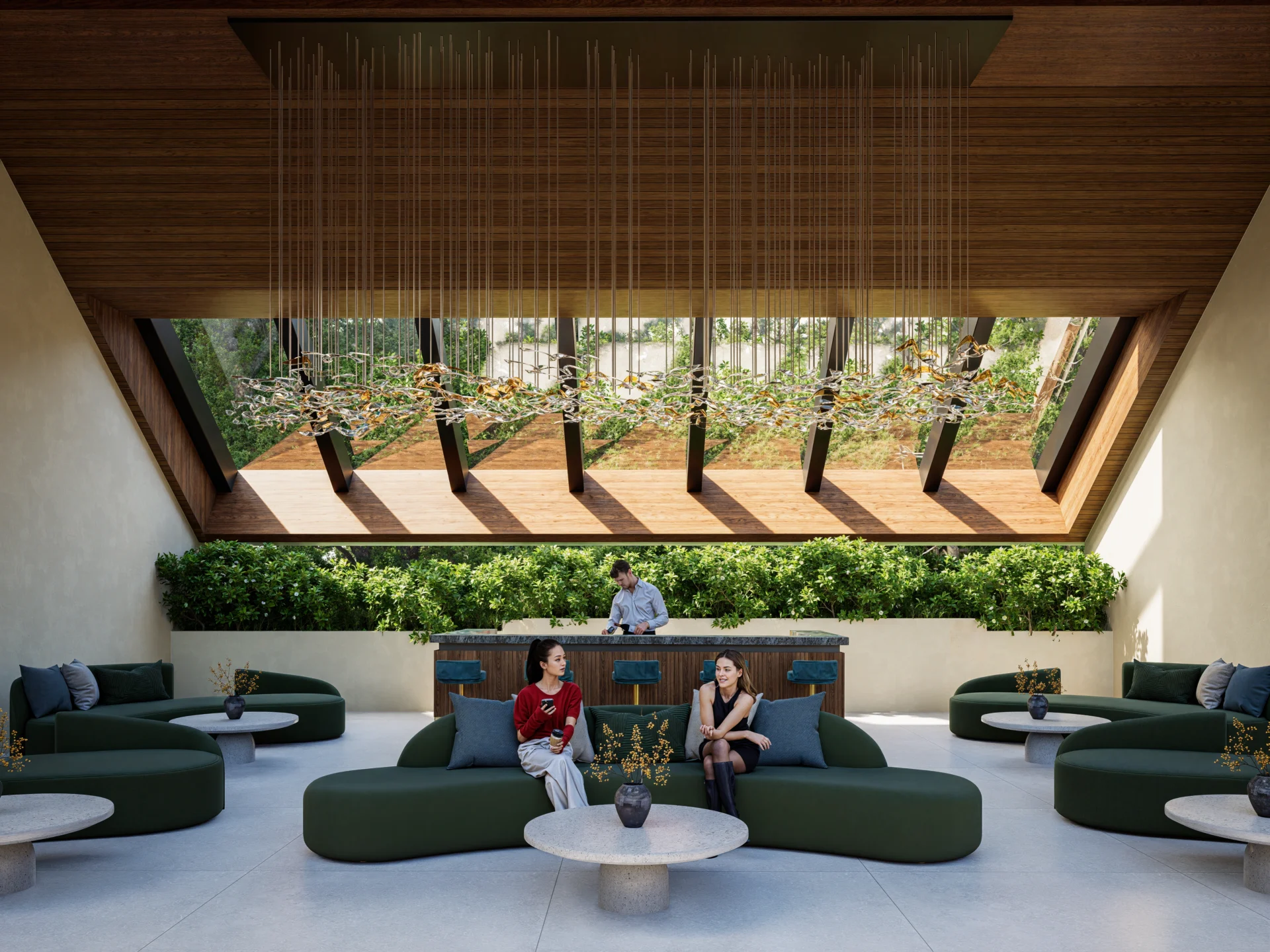
For example, a well-designed house allows natural light to enter living spaces throughout the day, reducing the need for artificial lighting while improving the overall atmosphere of the interior.
In tropical regions such as Bali, architecture often incorporates large openings and cross-ventilation to allow natural airflow, making homes more comfortable without heavy reliance on air conditioning.
These design decisions illustrate why is architecture important beyond simple construction. Architecture shapes daily routines, supports productivity, and contributes to physical and emotional well-being.
When architects focus on how people experience space, buildings become more than structures, but they become environments that support everyday life.
Why Is Architecture Important in Connecting People and Place
Another reason why is architecture important is its ability to connect people with the places they inhabit.
“Buildings are not isolated objects; they exist within cultural, historical, and environmental contexts that influence their design.”
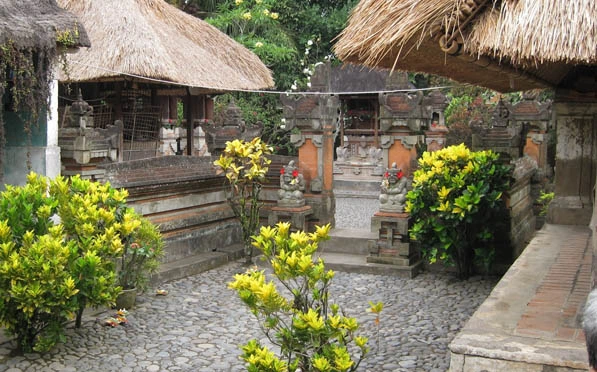
In Bali, architecture often reflects a strong relationship with nature and community. Traditional Balinese compounds, for instance, organize buildings around open courtyards that encourage airflow, natural light, and social interaction among family members. These spatial arrangements demonstrate how architecture can reflect cultural values and create a sense of belonging.
On the other hand, modern architecture can continue this tradition by respecting the surrounding landscape, local materials, and regional climate. When buildings respond to their environment rather than ignoring it, they help strengthen the identity of a place.
This is one of the reasons why is architecture important for communities. It shapes how neighborhoods look and feel, influencing how people interact with one another and how they connect with the environments they call home.
Why Is Architecture Important in Creating Harmony With Nature
As environmental awareness grows, architects increasingly consider why is architecture important in relation to nature.
Buildings consume resources, affect landscapes, and influence the surrounding climate. Thoughtful architectural design can help minimize negative impacts while enhancing natural connections.
In tropical regions like our land, Bali, architecture often integrates natural elements directly into the design.
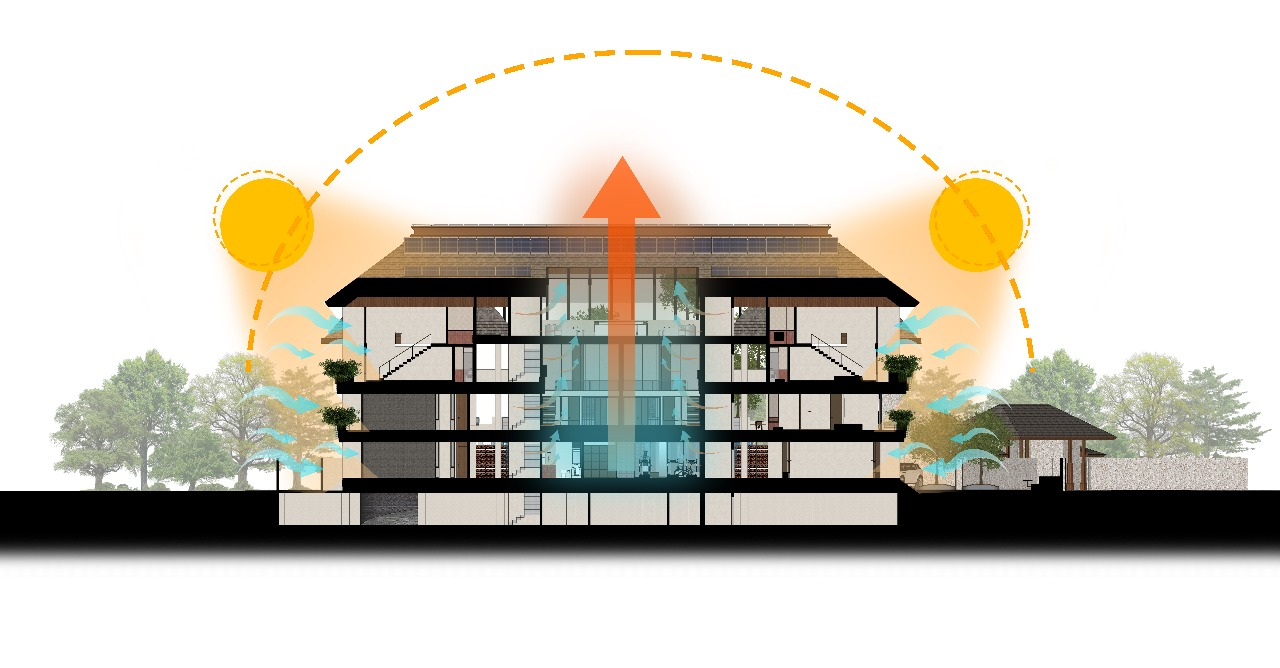
Gardens + open terraces + shaded walkways + water features = part of the architectural experience.
These elements help create environments that feel balanced and refreshing.
Natural ventilation is another important example. By carefully positioning openings and considering wind direction, architects can design spaces that remain cool and comfortable while reducing energy consumption. These strategies demonstrate why is architecture important in supporting sustainable living.
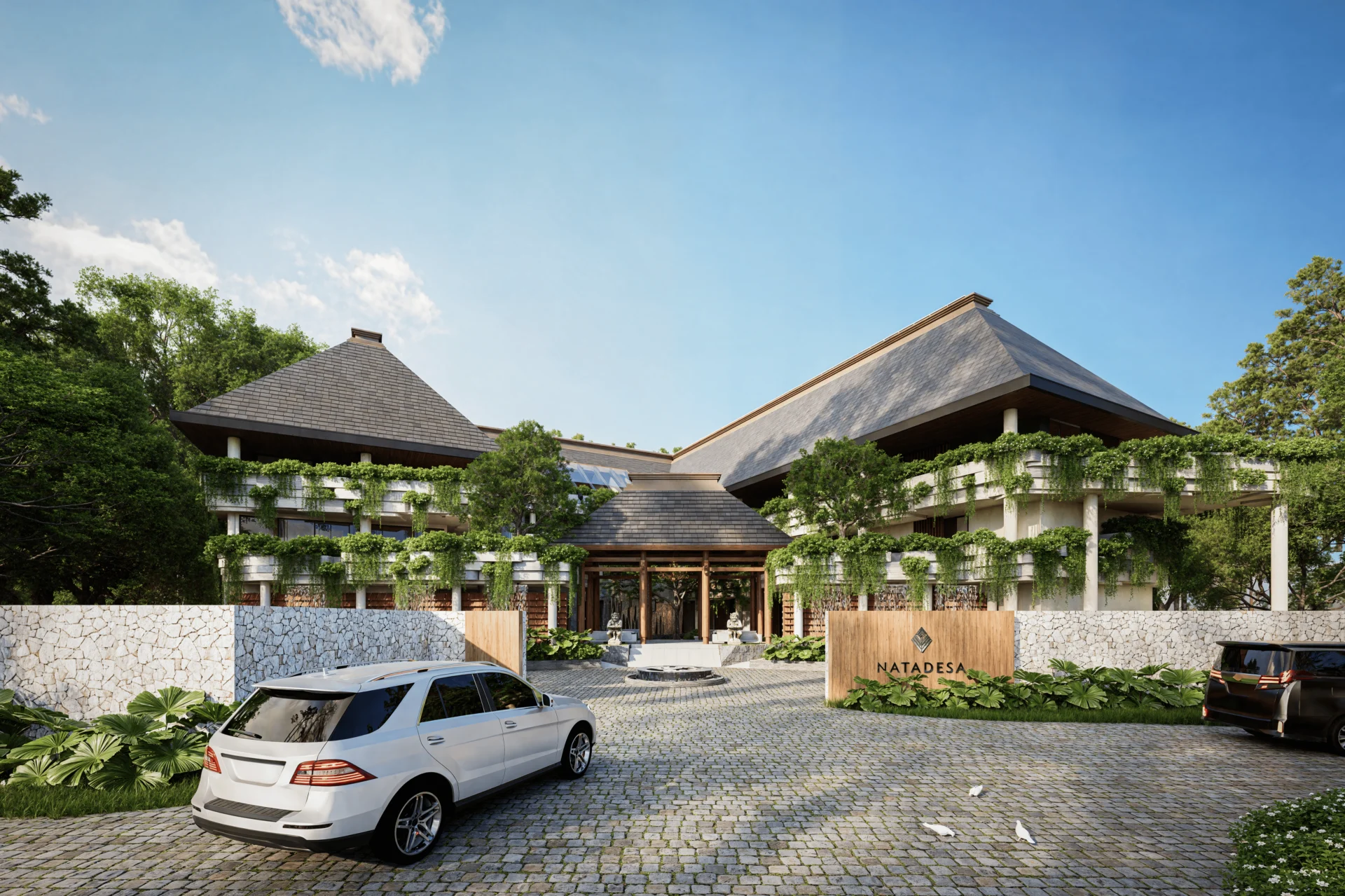
Architecture has the power to create environments where nature and human activity coexist in harmony. To understand the real potential of this approach, explore our Natadesa Apartment project, awarded 2nd Winner of the Architectural Design Competition Natadesa Apartment 2025, built around our concept: Toya Raga – A Place Where the Soul Rests and the Body Returns.
Our Philosophy at Manon Design Studio
At our design studio, the question of why is architecture important guides the design process from the earliest stages of a project. Our studio believes that architecture should respond to the needs of people while respecting the character of its environment.
Established in Bali in 2014 by architect Brahasata Indra, our studio approaches each project with a human-centered perspective. Site conditions, natural light, airflow, and surrounding landscapes are carefully considered to create spaces that feel natural and balanced.
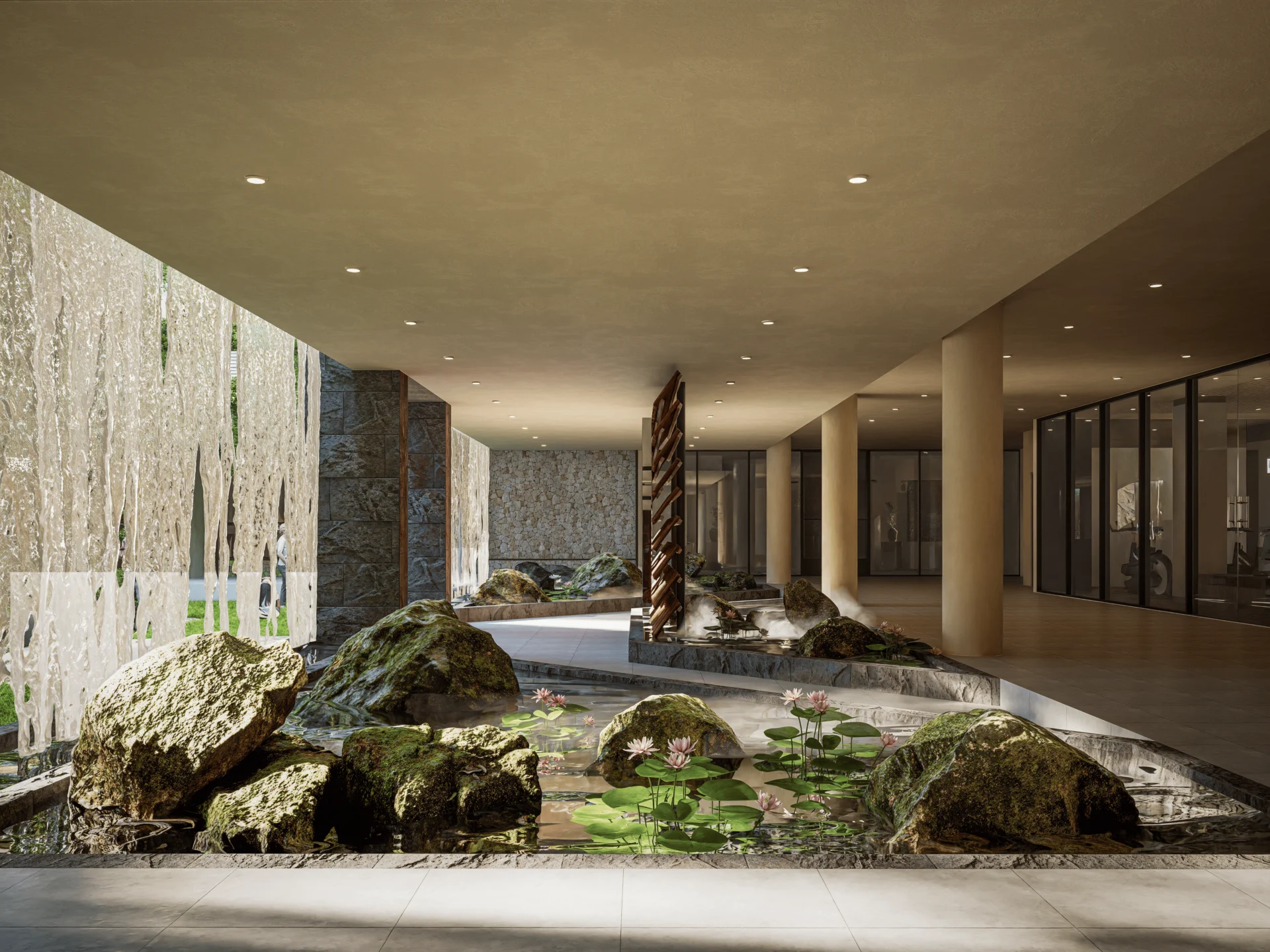
For projects in Bali, this often means designing buildings that open toward gardens, integrate natural materials, and create smooth transitions between indoor and outdoor environments. Through this approach, we continue to build a path where architecture becomes a thoughtful response to both people and place.
How Thoughtful Architecture Shapes Meaningful Spaces
Understanding why is architecture important also involves examining how design decisions influence the experience of space.
Small details, such as:
- The height of a ceiling
- The orientation of a building
- The texture of materials
Those three can significantly affect how a space feels.
For instance, an apartment designed with large windows overlooking a garden can create a sense of openness and tranquility. Similarly, the use of natural materials like wood or stone can introduce warmth and authenticity into interior spaces.
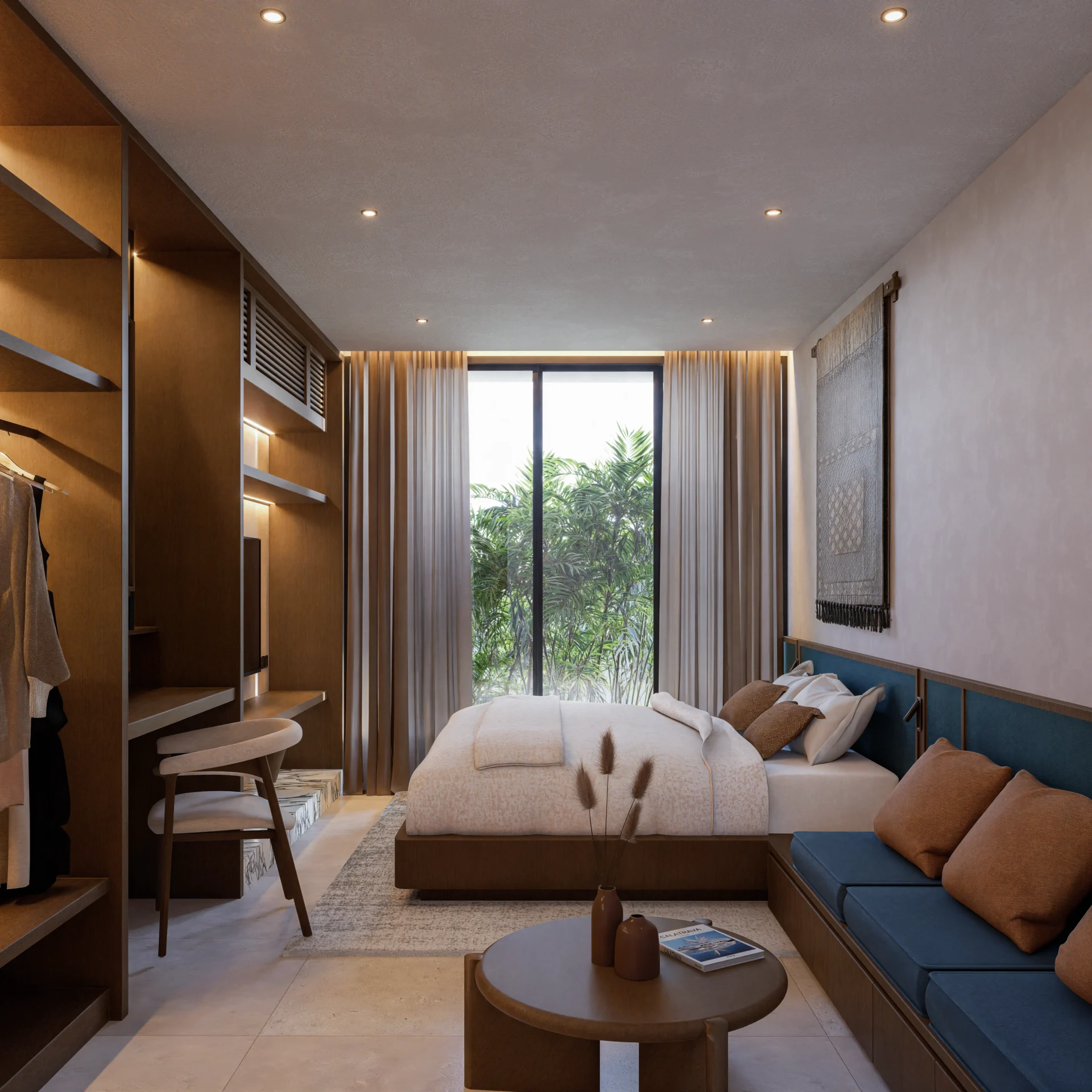
In Bali’s tropical environment, architecture often blurs the boundaries between indoors and outdoors. Living areas may extend toward terraces or courtyards, allowing residents to enjoy fresh air and greenery as part of everyday life.
These design strategies illustrate why is architecture important in shaping environments that feel both functional and emotionally engaging.
Also Read: Manon Wins Natadesa Competition for Luxury Apartment Design
6 Lasting Values of Thoughtful Architecture You Should Consider
1. Long-Term Influence on How People Experience Their Environment
Buildings are among the most enduring human creations; research from the International Energy Agency indicates that many buildings remain in use for 50 to 100 years or more, meaning their design decisions can influence multiple generations.
Because of this longevity, architecture plays a significant role in shaping how people experience their surroundings over time.
2. Directly Improve Quality of Life
Well-designed architecture can measurably improve quality of life by creating environments that are comfortable, adaptable, and environmentally responsible.
According to the World Green Building Council, buildings that incorporate natural daylight, proper ventilation, and healthy materials can improve occupant well-being and productivity by up to 15%.
Access to natural light alone has been shown to support better sleep cycles and cognitive performance, while effective natural ventilation can significantly improve indoor air quality and thermal comfort.
3. Has a Significant Environmental Impact
The building sector currently accounts for approximately 37% of global carbon emissions, highlighting the importance of thoughtful architectural design in reducing long-term environmental impact (United Nations Environment Programme, 2023).
By prioritizing passive strategies, such as:
- Daylight optimization
- Cross-ventilation
- Durable materials
These can reduce energy consumption while ensuring that buildings remain functional and resilient over decades.
In destinations such as Bali, architecture that respects the landscape—through climate-responsive design, open-air spaces, and natural materials as we mentioned—can enhance both residential living and hospitality experiences.
Taken together, these considerations highlight why architecture is important not only at the scale of individual buildings but also in shaping sustainable, resilient, and livable communities for the future.
Also Read: How Green Walls Architecture Brings Nature to Life
If you are planning a residential or hospitality project in Bali, working with a team that understands the local climate, landscape, and cultural context can make a meaningful difference.
At our studio, we approach each project with a balance of creativity, sustainability, and sensitivity to place, helping you create spaces that are both timeless and deeply connected to your surroundings.
Talk to our team today to explore how we can help bring your vision for a Bali project to life.