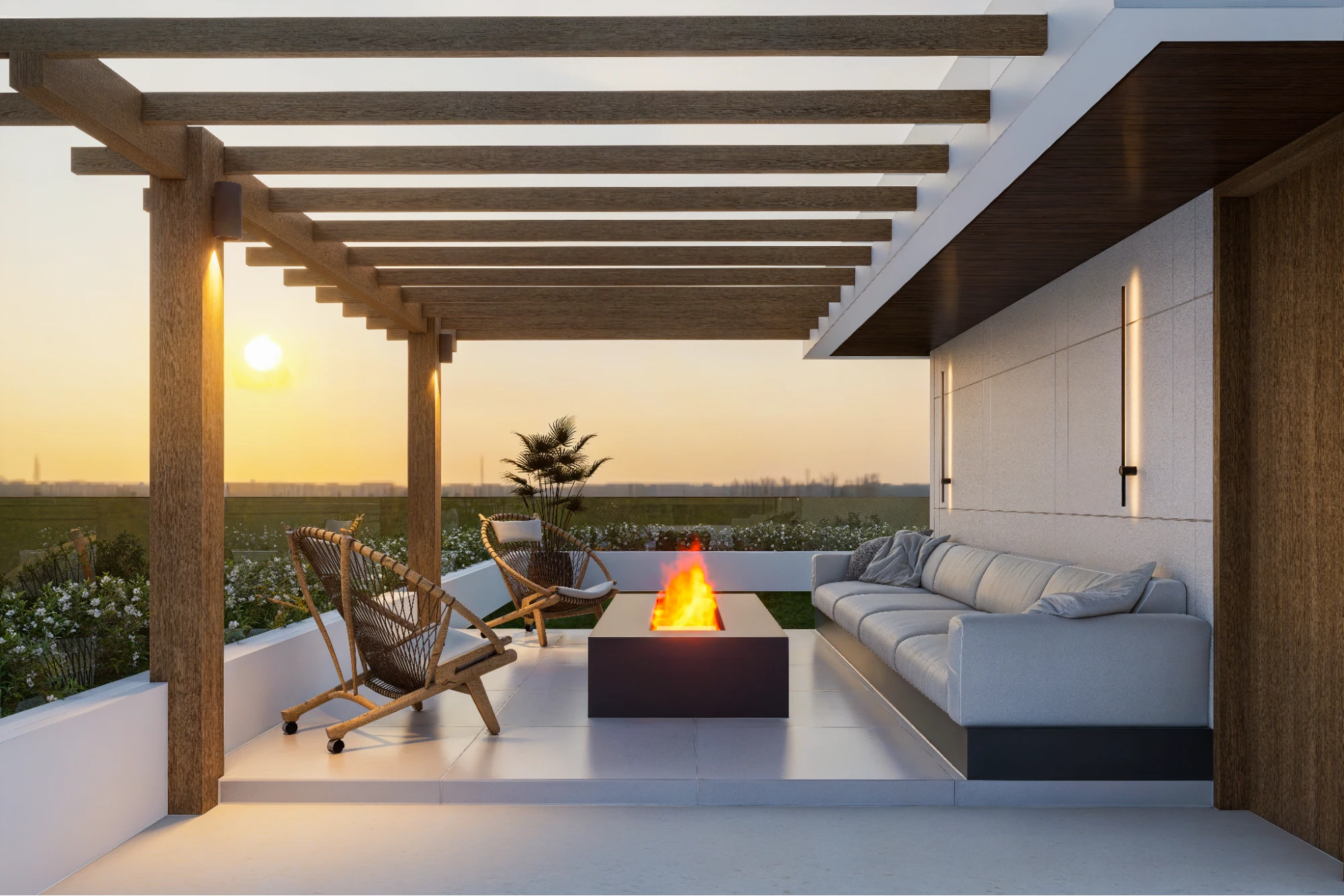
Imagine slipping on a VR headset and stepping into a room before a single piece of furniture has moved. The piles are gone. The table is clear. The space feels instantly quieter — and so, for a moment, does your mind.
That is the experience VR brings to Zen interior design. It lets you feel what calm looks like in your actual space before you commit to it. Zen itself is a philosophy-driven approach to decorating that aims for tranquility and mindful living, not just a pleasing aesthetic. It draws from Zen Buddhist ideas — simplicity, balance, and presence — so your home actively supports a calmer inner state.
VR makes this effect immediately testable: you can walk through a proposed Zen layout and feel the difference before committing — refining what is genuinely calm versus what only looks calm on a mood board.
Understanding the difference between Zen and simple minimalism is the real starting point — before applying it room by room, or walking through it wall by wall in a VR session.
Want to experience your future Zen space before you build it? Work with Manon Design Studio to explore VR-based Zen design walkthroughs tailored to your home.
What Zen Interior Design Really Means
Zen vs. Minimalist Style: The Key Difference
Zen interior design is not just "less stuff" — it is intentional calm. Minimalism focuses on efficiency and simplicity. Zen shares that restraint, but it starts from a different intention: creating a tranquil, mindful home where the mind has fewer reasons to feel busy.
In practice, both styles favor uncluttered surfaces and a restrained visual story. The Zen version leans harder into harmony, balance, and a connection to nature, so the room supports reflection rather than just tidiness. This is why a Zen space can feel peaceful even when it is not perfectly symmetrical or completely bare.
VR makes this distinction easier to grasp. Placing a minimalist room and a Zen room side by side in a virtual walkthrough quickly reveals what changes when intention replaces efficiency as the design driver — something a reference image rarely communicates.
Wabi-Sabi: The Beauty of Imperfection
Wabi-sabi is the idea that natural simplicity and the beauty of age belong in everyday life. Wabi points to quiet, natural simplicity; sabi highlights the serene look of objects that have lived through time — showing wear, patina, or subtle roughness.
A common misread of wabi-sabi is treating it as "settling for damage" or leaving things looking neglected. The real approach is intentional. You choose materials and decor that age authentically, so the room feels grounded and real, not overly sterile.
In a VR walkthrough, you can preview how aged timber, weathered stone, or a raw linen throw reads in context — before purchasing a single piece. The line between purposeful and neglected becomes clearer when you can actually walk through it.
This is what shifts Zen from a design theme to a feeling you can sense immediately, because every choice is designed to reduce distraction and make calm easier to access.
Why Zen Design Helps Your Mind and Mood
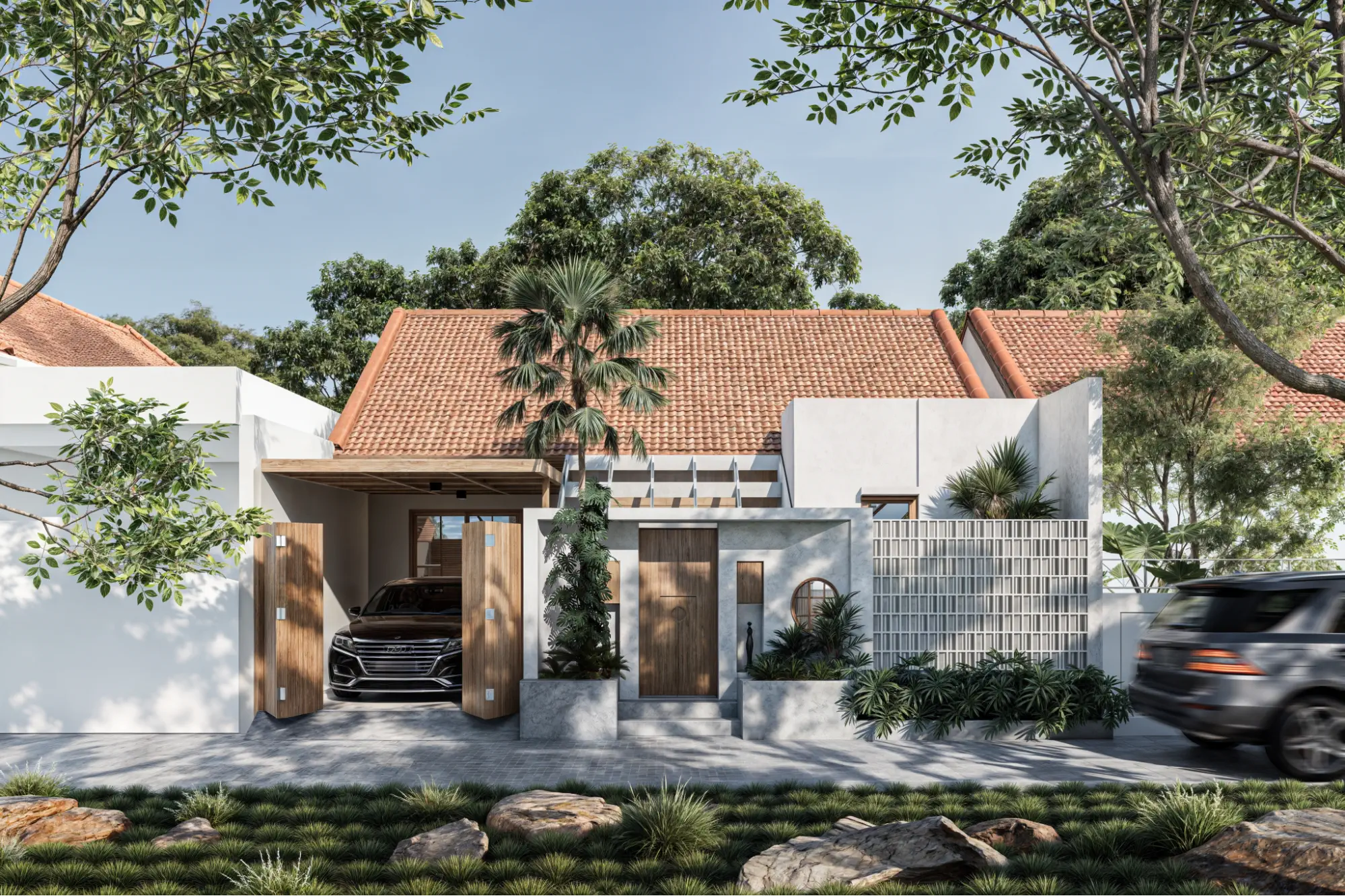
Picture arriving home overloaded, then stepping into the same space after a simple reset: surfaces clear, daylight stronger, the room softer to the eye.
That shift is Zen's first payoff. Decluttering and open space reduce visual and psychological noise. When your surroundings stop competing for attention, your brain gets room to breathe — even if the day was stressful.
Natural light and a nature-forward palette go further than aesthetics. Soft ambient lighting, gentle colors, and organic materials support a steadier mood, making relaxation easier to reach, which we have applied in our Rumah Taman Griya project/ TM Villa project, where natural light, material simplicity, and a stronger indoor-outdoor connection helped create a calmer living environment.
Think of it as atmosphere-driven mood support, not effort-driven.
When you add texture, a few plants, and a subtle natural scent, the effect expands beyond sight. Rough stone feels grounding. Plants bring a quiet life to the room. Scent signals "slow down" faster than most conscious choices do.
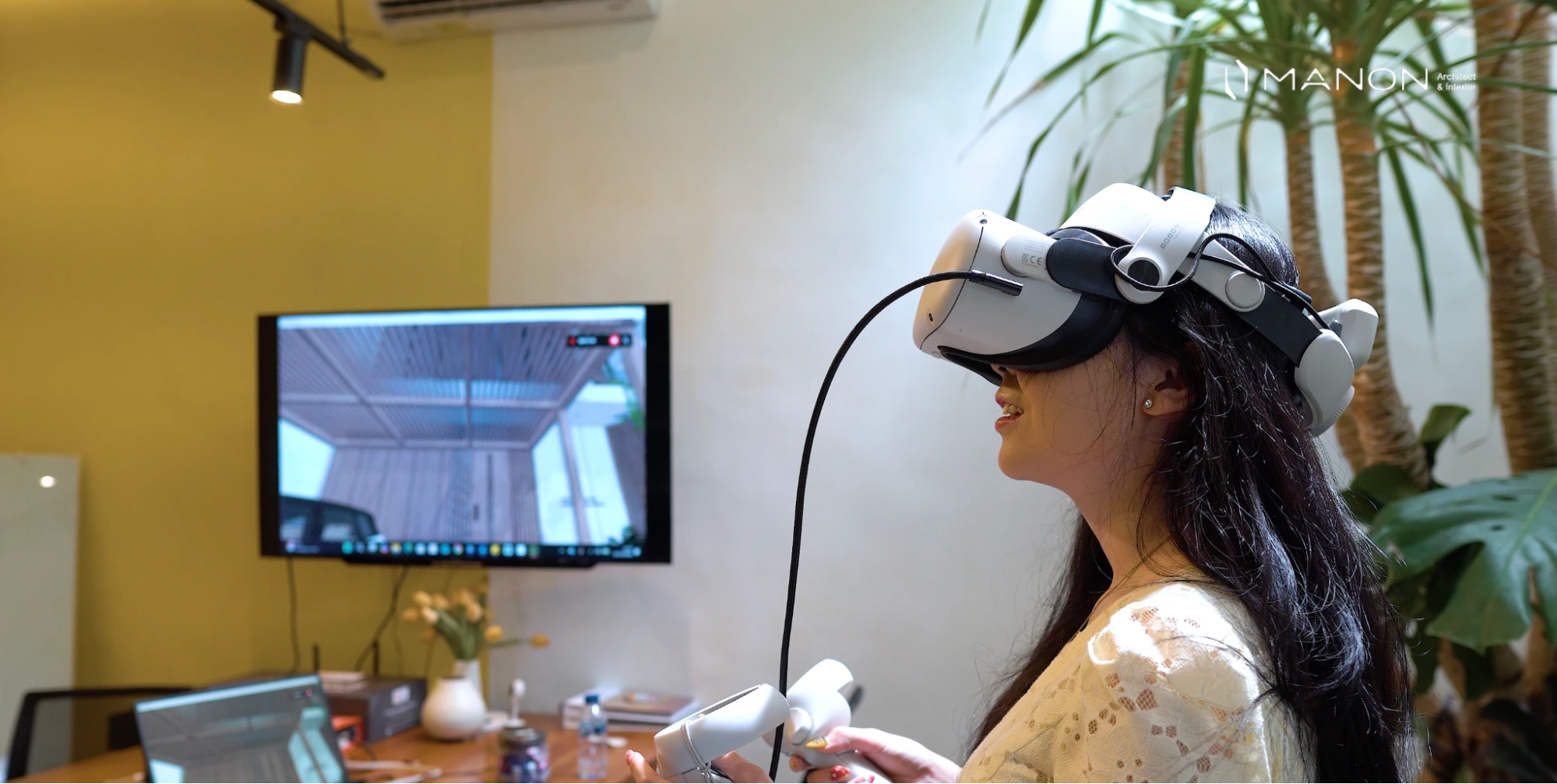
VR extends this further: lighting simulations, material previews, and spatial layouts can all be tested virtually before a room is touched. For clients working with a design team, this turns mood-board guesswork into a felt experience — a meaningful difference when the goal is achieving calm, not just planning it on paper.
How Zen Spaces Are Designed to Feel Calm
"Calm is what you get when all the small choices agree with each other." Think of it like a well-tuned playlist — the mood comes from the whole flow, not one perfect track.
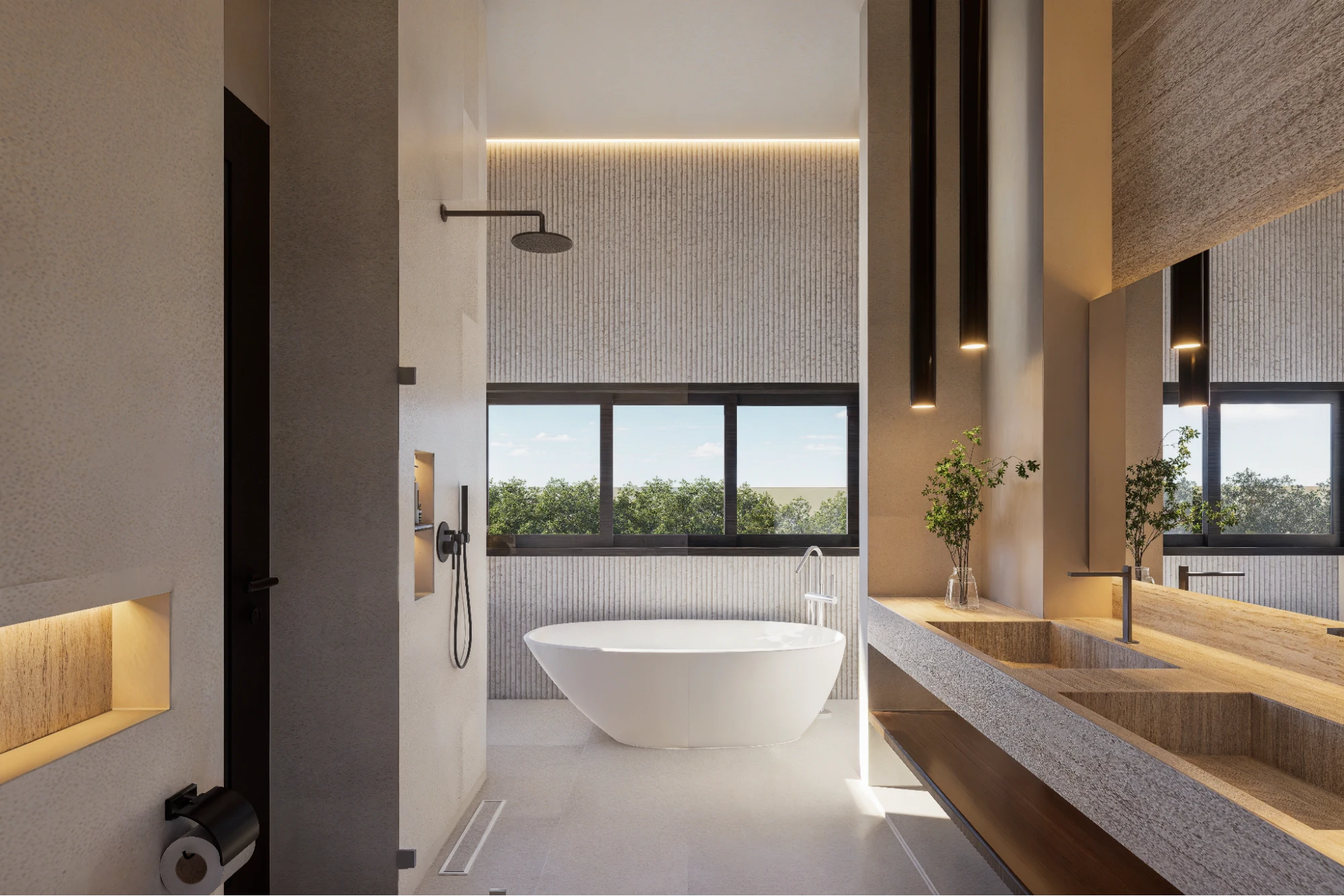
In a Zen home, simplicity removes non-essentials so the eye stops darting. Harmony and balance then organize what remains. The design does not need rigid symmetry because asymmetry can feel natural and dynamic. Open space and visual continuity keep the room settled rather than cluttered.
Nature enters through materials, plant life, nature-inspired colors, and natural light that softens everything it touches. Layered textures and warm, ambient lighting add softness. Purposeful decor ensures nothing competes for attention or feels random.
In VR, this system becomes navigable rather than theoretical. You can walk from an entryway into a living room, feel the shift in light, observe how materials transition, and decide what changes — before any physical work begins. Once you understand the logic of calm and have walked through a version of it, applying it room by room becomes a practical process rather than a design leap.
If you want help refining your choices, the team at Manon Design Studio can guide you from VR concept to calmer, cohesive results.
 How to Build a Zen Room Step by Step

Pick the Right Colors, Light, and Materials
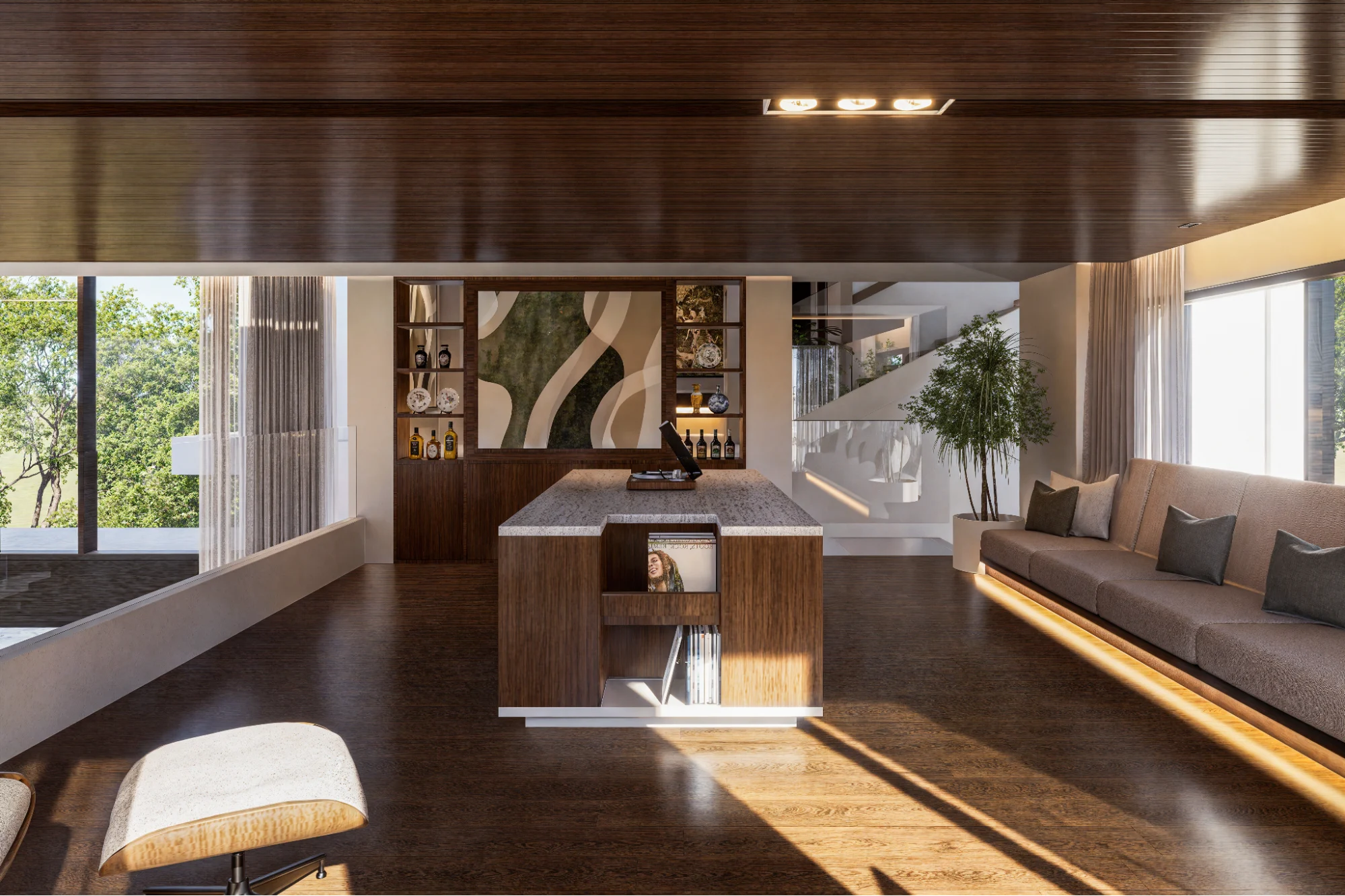
Ready to make your room feel calmer without guessing? In VR, you can test this before committing — then use that clarity as your build guide.
- Start with decluttering and smart storage. Keep essentials visible and use intentional storage so everyday items disappear. This creates lasting stillness, not just a temporarily clean look.
- Choose a soothing palette inspired by nature. Light neutrals, cool calming hues, and warm earth tones feel grounded without effort. Avoid anything visually loud. A VR walkthrough lets you compare palettes in the actual spatial context of your room — something a paint swatch or screen image cannot replicate.
- Treat natural light as a design tool. Use sheer linen curtains so daylight moves through the room. Where natural light is limited, place a mirror adjacent to a window to brighten and open the space.
- Layer your lighting. Warm, ambient sources at night instead of one harsh overhead. Pick materials that feel organic — and in VR, preview how stone, timber, and linen read together before ordering a single sample.
Add Plants, Art, and Texture Without Clutter
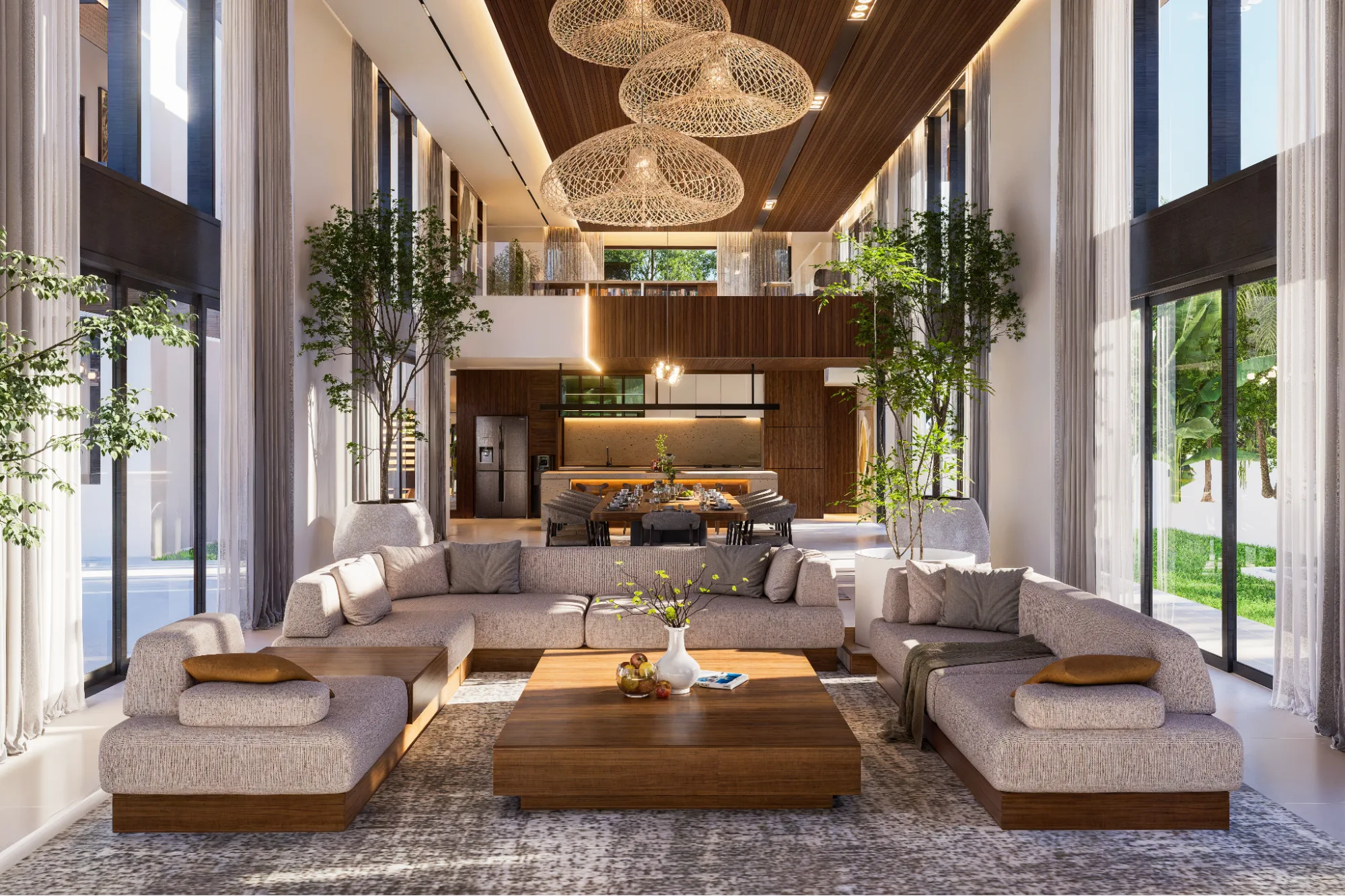
Now bring the Zen feeling to life in a way that still looks intentional.
- Start with low-profile furniture. A platform bed or a low-lined table keeps the room bright and open. Add plants near windows or in a single purposeful grouping so greenery supports calm rather than becoming visual noise
- Keep wall art subtle. Nature-inspired pieces in cool or monochromatic hues fit the room's palette without stealing attention. Add warmth through texture — an organic rug and soft throws in natural fabrics.
In VR, plant placement, art scale, and furniture arrangement can be explored before anything is moved or purchased. This matters most in smaller rooms where scale errors are costly and hard to reverse.
The fastest way to lose the Zen feel is to rush these choices and move on. That is exactly where the most common mistakes come in.
Make It Last: Zen Upkeep and Upgrades
Daily Calm Habits
Keep the Zen effect alive with small, repeatable actions. The goal is to prevent visual noise before it builds.
- Clear one surface before it becomes cluttered
- Return items to their designated spots right away
- Keep pathways open so the room continues to feel spacious
Weekly Reset and Gentle Upgrades
Once a week, reset the space to refresh the sense of stillness. Use this time to adjust as routines shift.
- Refresh one corner into a dedicated ritual space for reading or quiet time
- Add soft textiles to reduce echo and sound harshness
- Use layered, warm lighting with dimmers where possible
- Keep smart home technology discreet and in the service of tranquility
Zen evolves with real life — maintenance should feel flexible and realistic, not like a restoration project.
Your Next Step Toward a Calmer, Zen Home
"This home is a promise you keep, one quiet choice at a time."
Start with simplicity: declutter and add smart storage. Bring in nature through light, organic materials, and well-placed plants. Finish with purposeful decor, harmony, and soft texture.
Begin today with one small move — clearing one area, improving daylight, or adding one cohesive natural accent. Zen is a continuing practice that becomes easier as it becomes familiar.
Ready to see your calm before you build it? Talk to the team at Manon Design Studio and start with a VR-based Zen interior design plan shaped around your space and your life.