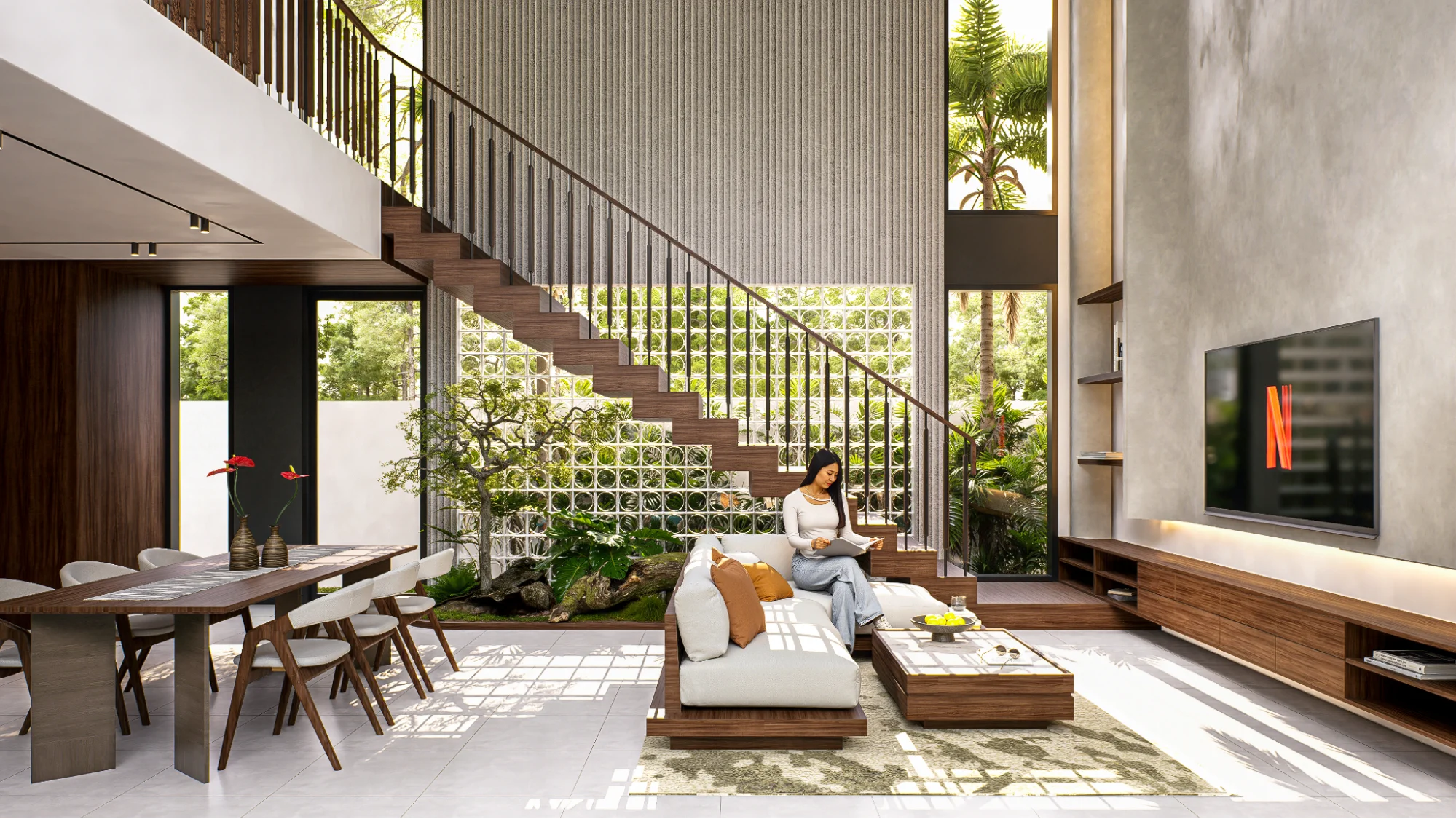
 Living in a smaller space does not mean compromising on comfort or design. In fact, with the right approach, compact homes can feel just as open, functional, and inviting as larger ones. This is where small space architecture becomes essential.
In Bali, where climate and lifestyle shape how spaces are used, designing efficiently is about more than saving space; it is about creating environments that feel breathable, connected, and comfortable throughout the day. Because a thoughtful small space architecture approach can transform even limited areas into spaces that feel expansive and livable, especially when it is handled by an expert.
One of the biggest factors is limited land availability in high-demand areas. As development increases, especially in places like Canggu and Uluwatu, architects are pushed to design homes that are more compact but still fully functional. This is why efficient spatial planning has become a key focus in modern residential projects.
Let’s jump right in! Manon will carry you through it.
What Is Small Space Architecture?
Small space architecture is a design approach that focuses on making the most of limited areas without sacrificing comfort or functionality. It involves careful planning of layouts, smart use of materials, and strategic design decisions that enhance how a space is perceived.
Instead of simply fitting everything into a smaller footprint, this type of architecture aims to create environments that feel open, efficient, and well-balanced. By prioritizing spatial flow and user experience, this approach allows your compact homes to function seamlessly while maintaining a strong sense of design.
Also Read: How to Create Functional Layouts for Modern Living
Why Small Space Architecture Matters in Bali
In Bali, small space architecture is not just a design trend; it is a response to real conditions that architects are actively dealing with today.
At the same time, Bali’s tropical climate makes design even more critical. Research on tropical housing shows that poorly designed compact homes can struggle with heat and airflow, with indoor temperatures exceeding 30°C for up to 50–60% of the day in some cases. This is why architecture—not just size—plays a major role in comfort.
To solve this, experienced architects rely on passive design strategies. Studies also show that natural ventilation is one of the most important cooling methods in tropical buildings, helping improve thermal comfort while reducing the need for air conditioning. In fact, research in Indonesia found that proper cross-ventilation strategies can reduce indoor temperatures by up to 2°C, which makes a noticeable difference in everyday comfort.
You can also see this approach widely applied in tropical housing concepts like compact courtyard houses, where even small footprints can support both airflow and daily activities through smart spatial planning.
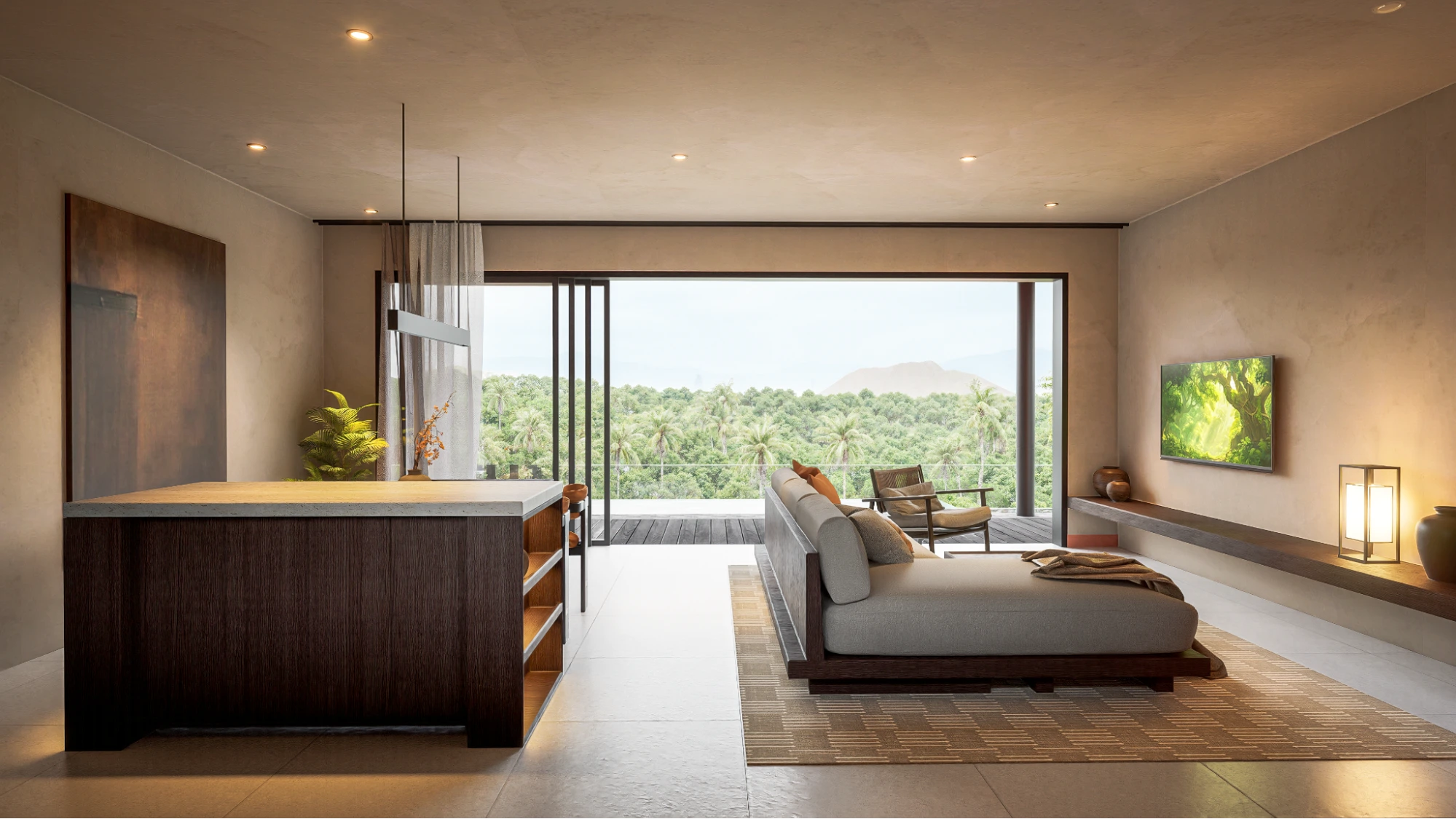
In Bali itself, many modern villas and compact homes already apply these principles—combining efficient layouts with open spaces, natural materials, and indoor–outdoor connections. This shows that small space architecture is not just theoretical, but already widely implemented in real projects across the island.
To help you better understand this approach, our team at Manon has outlined five key principles to consider when designing for small spaces. Let’s take a closer look!
Principle #1: Blur the Boundary Between Indoor and Outdoor
One of the most effective strategies in small space architecture is to reduce the visual and physical separation between interior and exterior spaces. By creating seamless transitions—through sliding doors, open layouts, or connected terraces—the space feels larger than it actually is, and outdoor areas become natural extensions of the interior.
But beyond aesthetics, this approach has a real impact on both physical comfort and overall well-being.
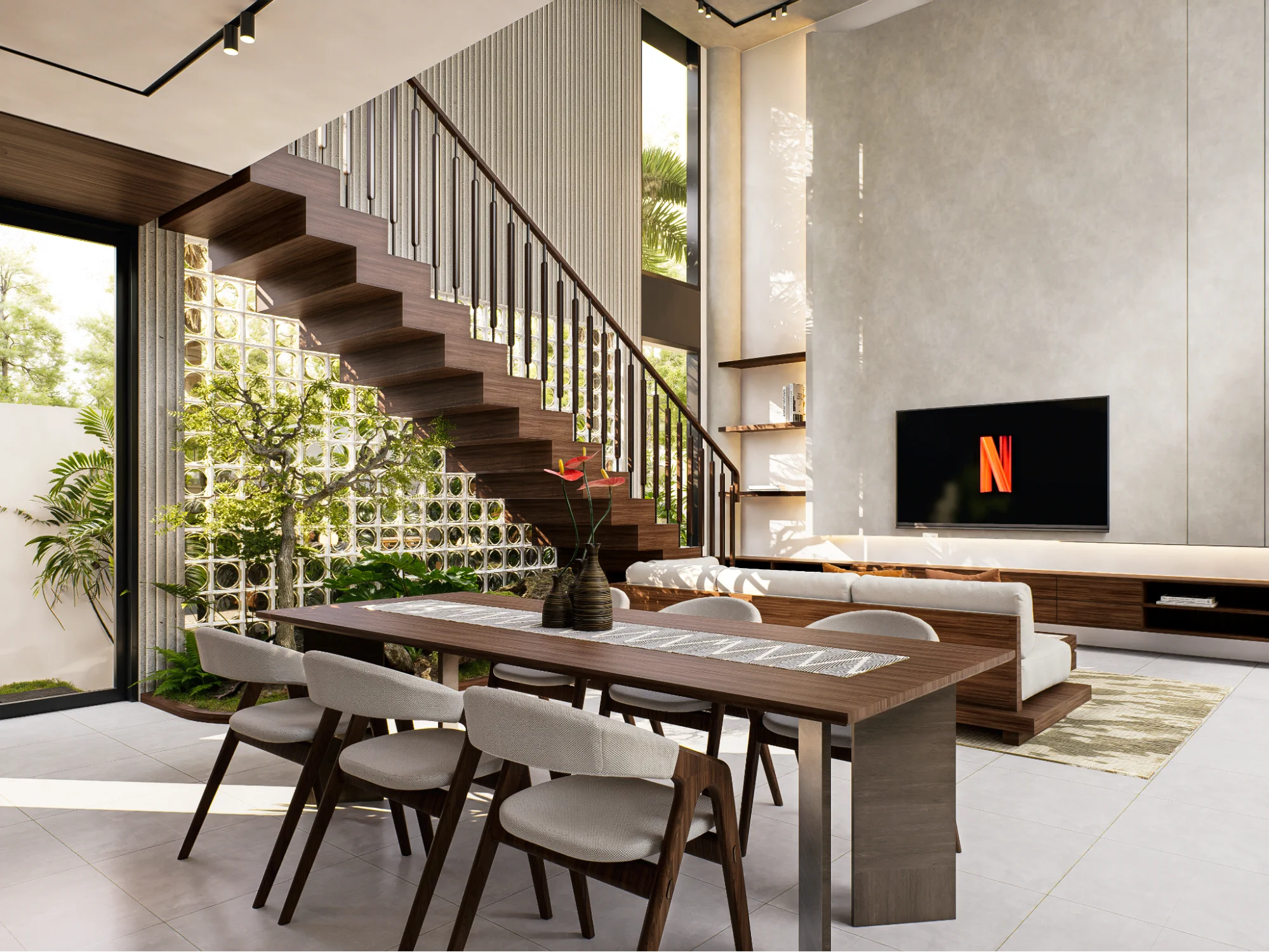
If you want to see this approach in action, check out our Havenara Villa project and discover how thoughtful design can transform a compact space into a spacious living experience.
Principle #2: Maximize Natural Light and Cross Ventilation
Light and airflow are essential elements in small space architecture, especially in tropical climates like Bali. Well-placed windows and openings allow natural light to enter throughout the day, reducing the need for artificial lighting. Also, cross ventilation helps maintain a more comfortable indoor temperature by allowing fresh air to circulate continuously.
But beyond basic functionality, these elements have a direct impact on both comfort and well-being.
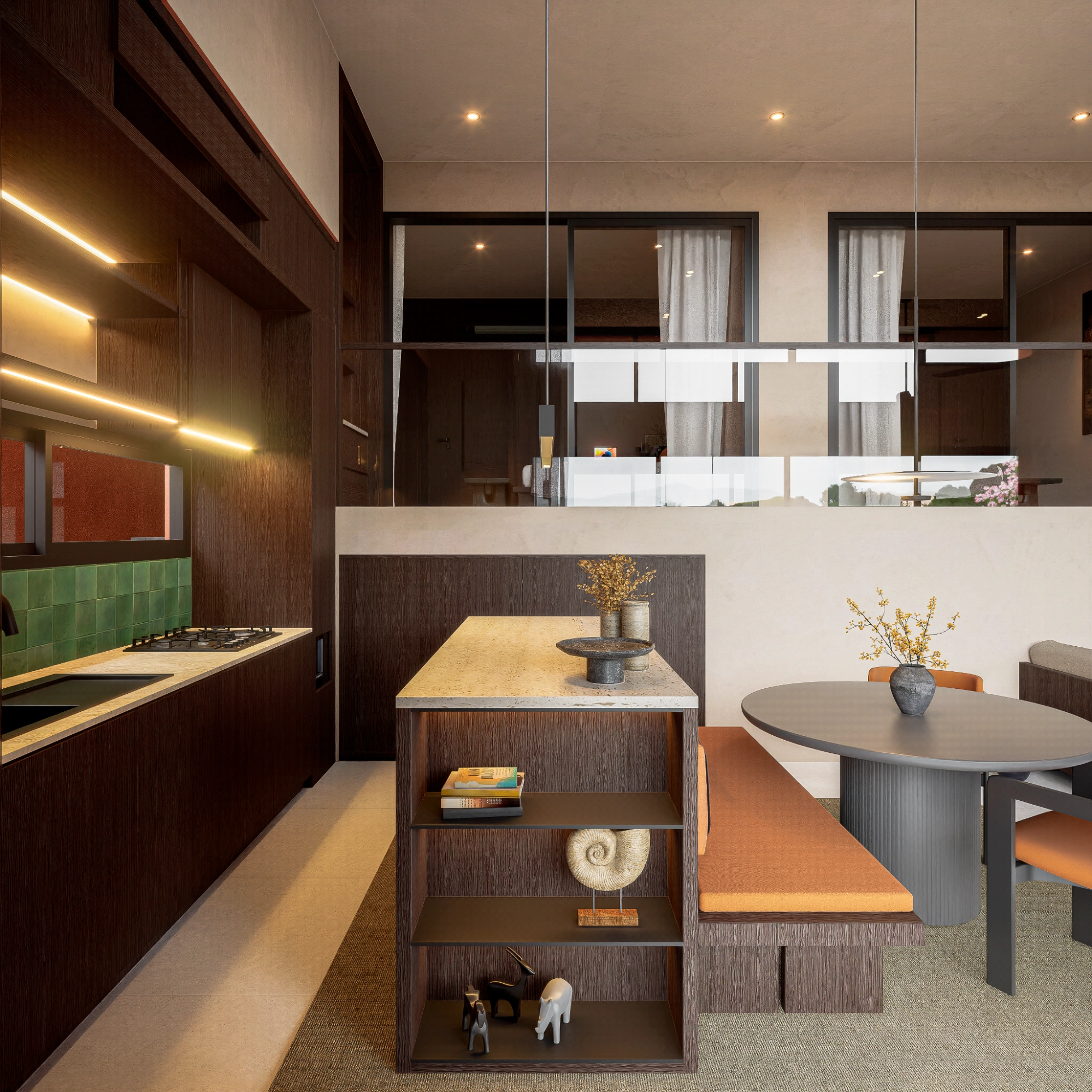
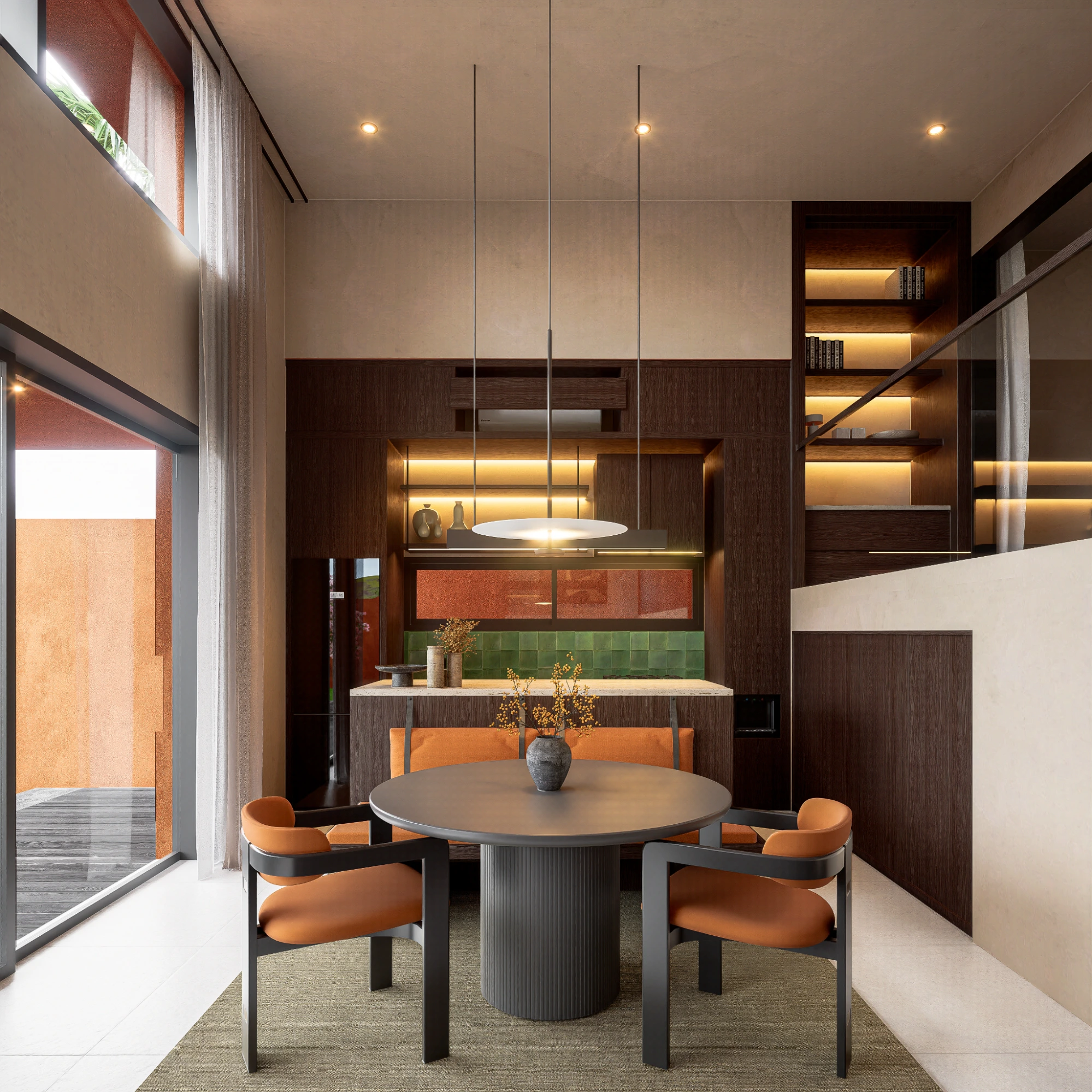
Research shows that natural ventilation plays a crucial role in improving indoor thermal comfort, particularly in warm and humid climates. Studies published in building science research (Springer and ScienceDirect) highlight that effective cross ventilation can significantly improve airflow and reduce heat buildup indoors. In Indonesia, research has also found that proper ventilation strategies can lower indoor temperatures by up to 2°C, which makes a noticeable difference in daily comfort.
Natural light is equally important here. According to studies referenced by UCLA Health, consistent exposure to daylight is associated with better mood, higher productivity, and improved overall well-being. Bright, naturally lit spaces also tend to feel more open and less confined—something that is especially important in smaller homes.
Volcano Whisper Villa by Manon is a great example of how thoughtful design can improve energy efficiency while still maximizing the land.
Principle #3: Use Multi-Functional Spaces
Flexibility is key when working with limited space. In small space architecture, rooms are often designed to serve more than one purpose.
A living area might double as a workspace, or a dining space might transform into a social gathering area. Furniture and layout choices also play an important role in supporting this adaptability. But beyond practicality, this approach has a direct impact on how efficiently and comfortably a space is used.
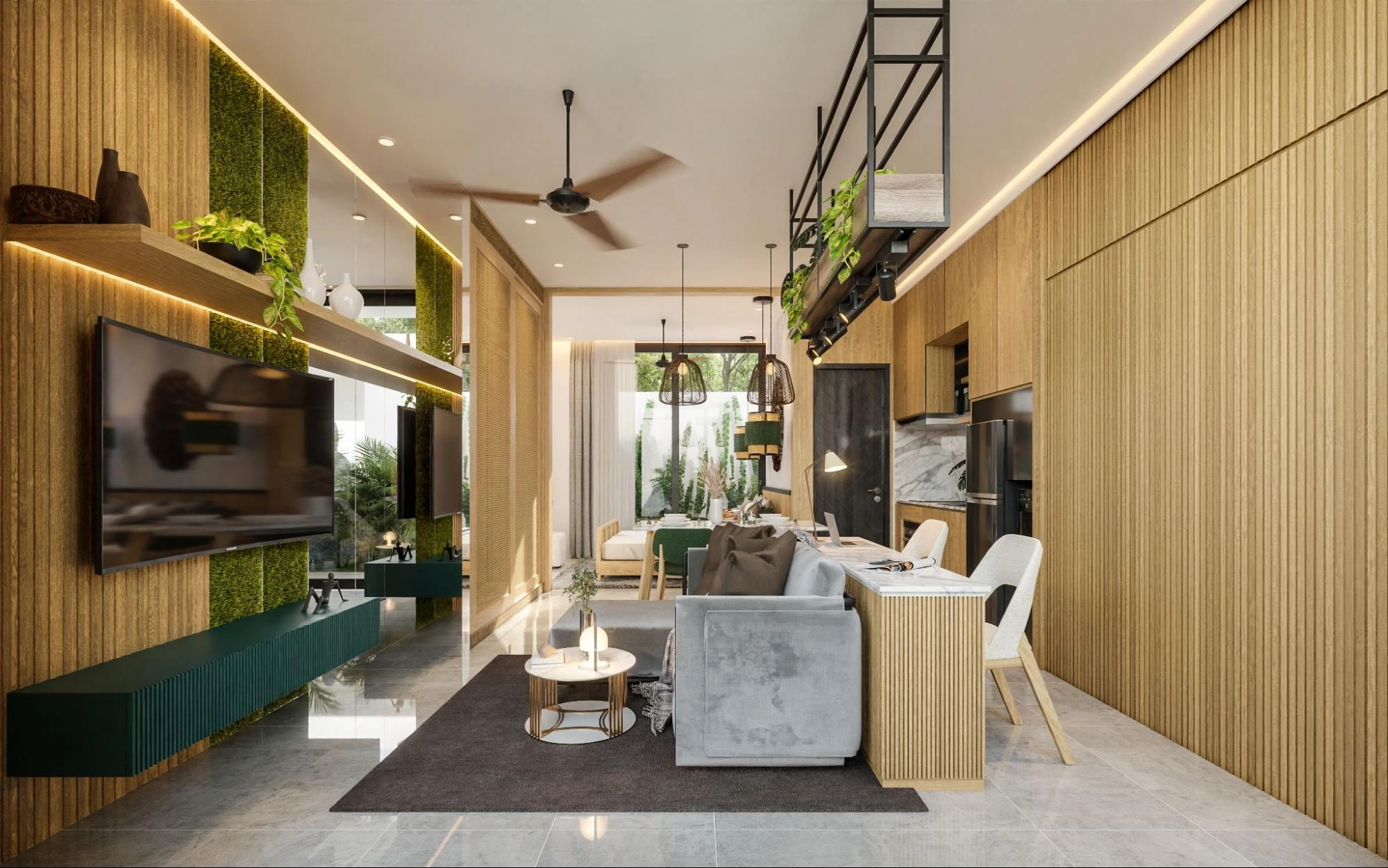
When this principle is applied, there are several benefits you can get:
1. Spaces become more efficient, with minimal wasted area
2. Homes can adapt to different activities throughout the day
3. Furniture and layout support changing needs over time
4. Overall functionality increases without requiring additional space
However, without multifunctional design, small spaces can feel restrictive and quickly become inadequate. Rooms with a single fixed function may limit how the space is used, leading to inefficiency and the need for more space than actually necessary.
In our project, Kebilbil, we designed the main space to do more—combining the living room, dining, and kitchen into one open, multipurpose area, all connected to a relaxing waterfall view. Check out the design here!
To truly experience the Kebilbil project, explore it through our VR design service, where you can walk through the space in real time here. And if you are curious to try it for your own project, our team is here for a free consultation.
Principle #4: Design With Vertical Thinking
When horizontal space is limited, vertical design becomes essential. Small space architecture often uses height to create additional functionality and a greater sense of openness.
Features like high ceilings, vertical storage, and mezzanine levels allow designers to add usable space without increasing the building footprint. But beyond functionality, vertical design has a measurable impact on how a space feels and performs.
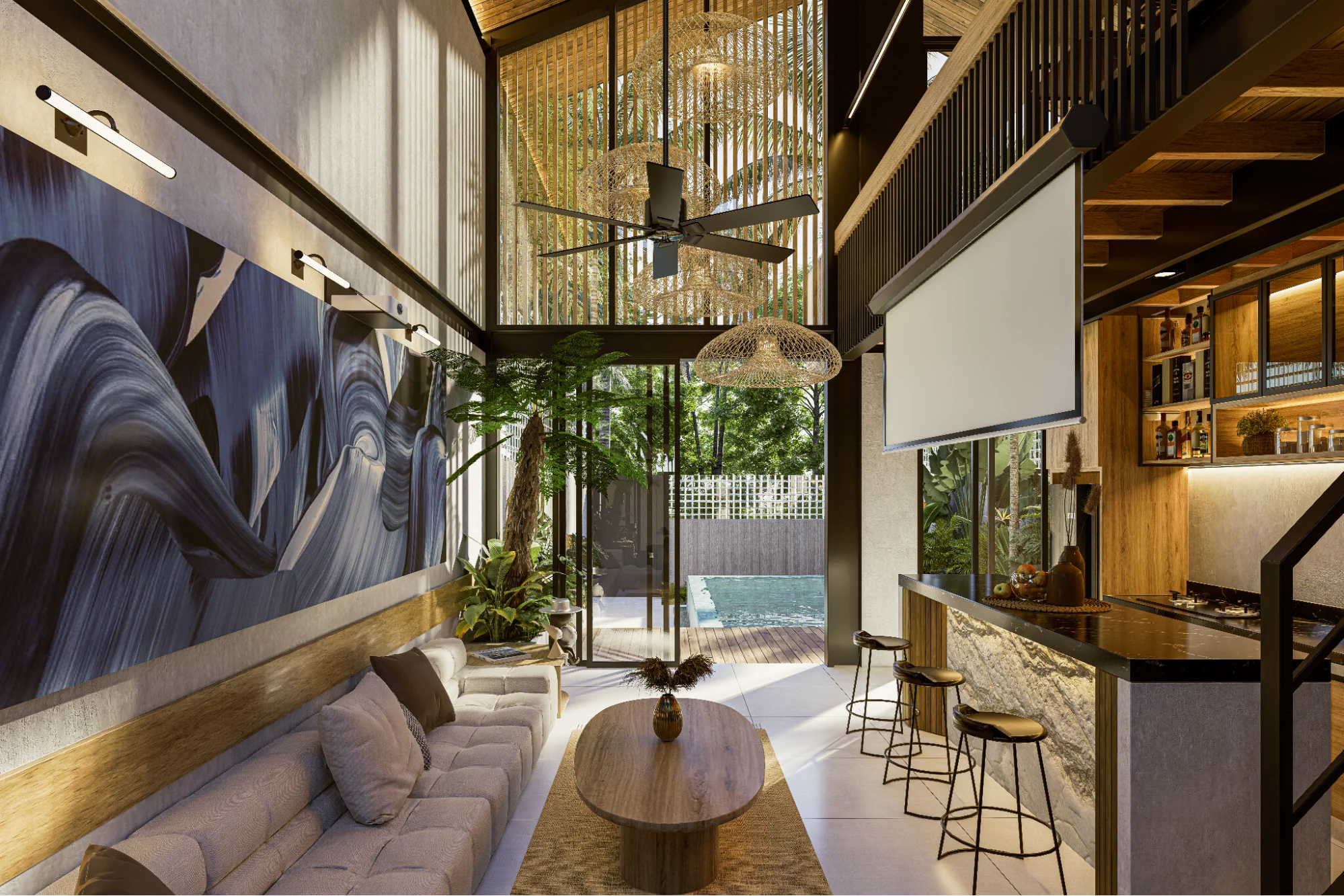
A study published on Frontiers found that higher ceiling heights are associated with stronger functional and psychological connections to a space, making environments feel more comfortable and usable.
If you take a closer look at Las Palmas, you will see how these ideas come together in a real project. It is one of our proudest works in 2025. Architecturally, elements like mezzanine floors that were applied in the Las Palmas project are widely used to extend functionality. As discussed on ArchDaily, mezzanines can significantly improve how people use and interact with a space without expanding its size, making them a practical solution in compact environments.
Principle #5: Use Light and Reflection to Multiply Space
Visual perception plays a big role in how a space is experienced. In small space architecture, light and reflection are often used to create the illusion of a larger area.
Elements like mirrors, reflective surfaces, and light color palettes help bounce light throughout the room, making it feel brighter and more open. Even subtle design choices—such as material finishes or wall tones—can significantly influence how spacious a room feels. But beyond visual tricks, this principle is supported by how humans actually perceive space.
From a psychological perspective, brighter spaces are also associated with more positive emotional responses. As we mentioned, research referenced by UCLA Health highlights that well-lit environments can improve mood and create a more pleasant living atmosphere.
When this principle is applied, you can get several benefits, including:
1. Spaces feel visually larger and more open
2. Light is distributed more evenly throughout the room
3. The atmosphere becomes brighter and more inviting
4. Overall comfort improves through better visual perception
Contrary, without proper use of light and reflection, small spaces can feel darker, tighter, and more enclosed. Poor lighting and heavy visual elements may reduce the sense of openness.
For more projects using this principle, check out our portfolios!
How Small Space Architecture Improves Living Experience
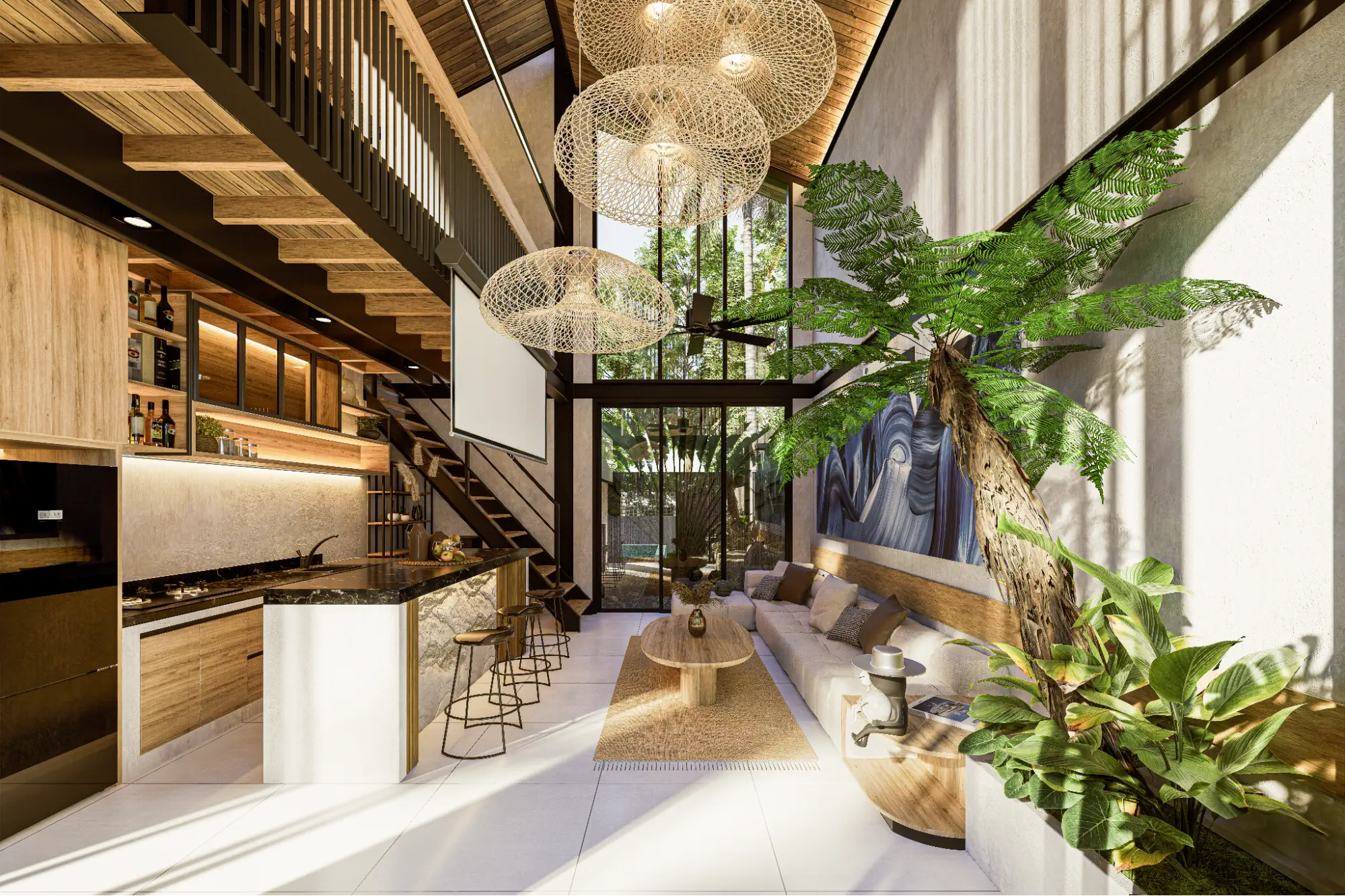
The impact of small architecture goes beyond efficiency; it shapes how people feel within a space. A well-designed compact home can feel comfortable, organized, and easy to navigate. It also reduces clutter, improves functionality, and creates a sense of balance. By focusing on both physical and emotional aspects, your small space architecture ensures that every part of your home contributes to a better living experience.
At Manon Design Studio, this type of architecture is approached with a focus on both creativity and practicality. By combining smart spatial planning with tropical design principles, our studio can help you create homes that feel open, comfortable, and refined.
For our team, a small space is also a big potential. With the right design, everything changes. So, let’s bring your vision to life. Start here with us.