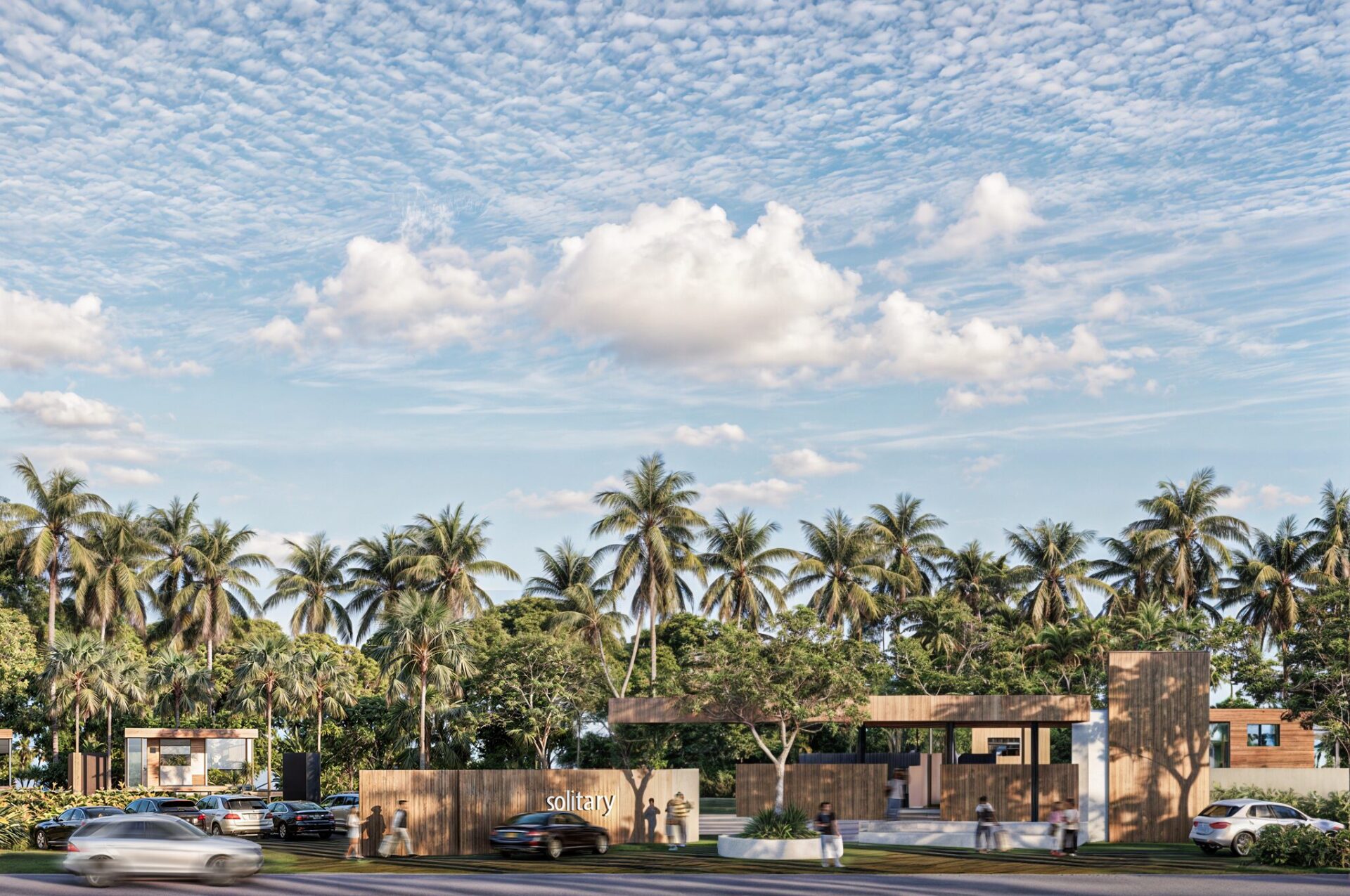
In the realm of architecture and urban development, the term master plan architecture holds a significant place. It refers to the comprehensive process of planning and designing a large-scale area, whether it be a residential community, a commercial district, or a mixed-use development.
Unlike individual building designs, masterplan architecture focuses on the overall structure, flow, and integration of multiple components within a defined space, ensuring functionality, aesthetics, and sustainability.
For a deeper understanding in this topic matter, come along and let’s explore with Manon!
The Key Components of Master Plan Architecture
The essence of masterplan architecture is in its ability to create harmony between natural landscapes, urban infrastructure, and human activity. This also needs considering factors such as:
- Topography
- Climate
- Traffic patterns
- Social interactions
- Immediate needs
- Anticipate future growth
This foresight makes master plans a critical foundation for successful developments that remain relevant and efficient over decades.
However, a well-executed master plan addresses several elements to ensure a cohesive and functional environment, including:
1. Land Use Planning
It is a fundamental aspect of master plan architecture. By strategically allocating spaces for residential, commercial, recreational, and green areas, planners can optimize accessibility, minimize congestion, and create a balanced environment for inhabitants.
2. Circulation and Connectivity
Efficient movement within the area is crucial. This includes designing road networks, pedestrian pathways, bike lanes, and public transport systems. A thoughtful circulation plan enhances mobility, reduces traffic, and encourages sustainable transportation options.
Also Read: 2025 Guide to Eco Friendly Building Design
3. Open Spaces and Landscaping
Integrating green spaces, parks, and water features contributes to environmental sustainability and enhances the quality of life. Open spaces also provide social hubs for communities which promote interaction and well-being.
4. Infrastructure and Utilities
The backbone of any development includes:
- Water supply
- Electricity
- Drainage
- Telecommunication networks
Proper planning will guarantee that these systems are scalable and resilient to future demand.
5. Zoning and Regulatory Compliance
Masterplan architecture involves aligning designs with local zoning laws, building codes, and environmental regulations. This ensures that developments are legally compliant and socially responsible, Manon Design Studio, for example.
6. Aesthetic and Cultural Considerations
Incorporating local culture, heritage, and architectural styles into the master plan can create a sense of identity and belonging, making the development more attractive and meaningful to its residents and visitors.
The Role of Sustainability in Modern Master Plan Architecture
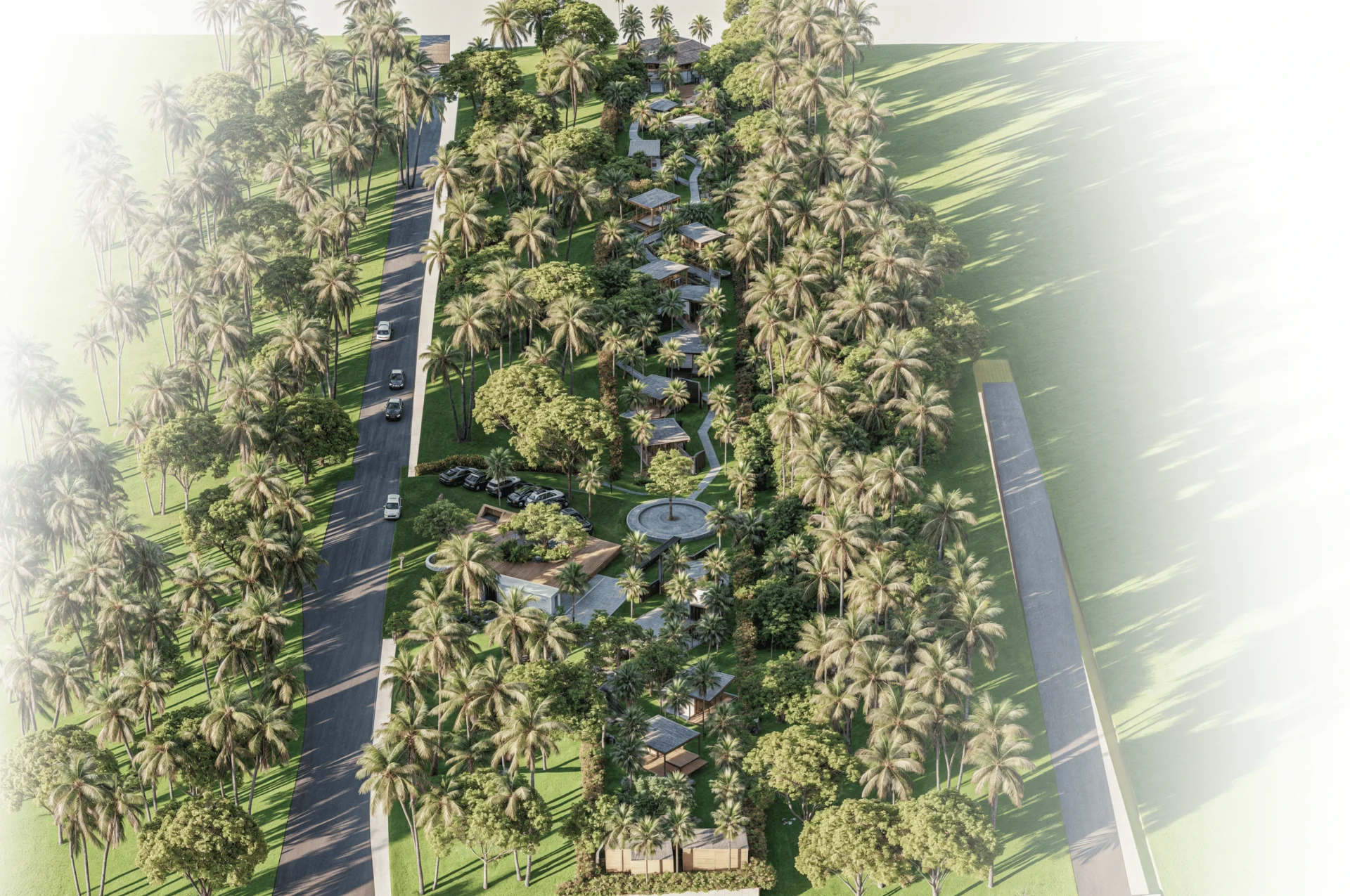
Today, sustainability is no longer an optional feature but a core principle in masterplan architecture. Sustainable planning involves using eco-friendly materials, reducing energy consumption, managing waste, and preserving natural habitats.
This approach benefits both the environment and the community by minimizing ecological footprints while enhancing living standards.
For instance, incorporating renewable energy sources, rainwater harvesting systems, and green roofs can dramatically reduce environmental impact. Moreover, designing walkable neighborhoods and promoting public transportation decreases reliance on private vehicles, further supporting sustainability goals.
See how we bring sustainability design to life by checking out our Toya Raga project here.
6 Steps in Developing a Master Plan
Creating a master plan is a meticulous process involving multiple stages, including:
1. Site Analysis
Understanding the physical, environmental, and social context is crucial. This includes studying soil conditions, topography, climate, existing infrastructure, and local community needs.
Also Read: Why Architecture Site Visits Are Crucial for Your Project
2. Visioning and Concept Development
Architects and planners collaborate with stakeholders to define the vision and objectives of the development. This conceptual phase sets the tone for all subsequent design decisions.
3. Spatial Planning
The allocation of spaces for buildings, roads, public amenities, and green areas is mapped out. This stage ensures balance, accessibility, and harmony across the site.
4. Detailed Design
Once the spatial framework is approved, detailed architectural, structural, and MEP designs are developed. This phase includes selecting materials, designing facades, and specifying construction techniques.
5. Implementation Strategy
A master plan is only effective if it can be executed efficiently. Detailed phasing plans, cost estimation, and construction supervision strategies ensure that the project progresses smoothly.
6. Post-Implementation Review
Even after construction, continuous assessment and adaptation are essential to maintain the functionality and relevance of the master plan.
Case Studies of Our Successful Master Plan Architecture
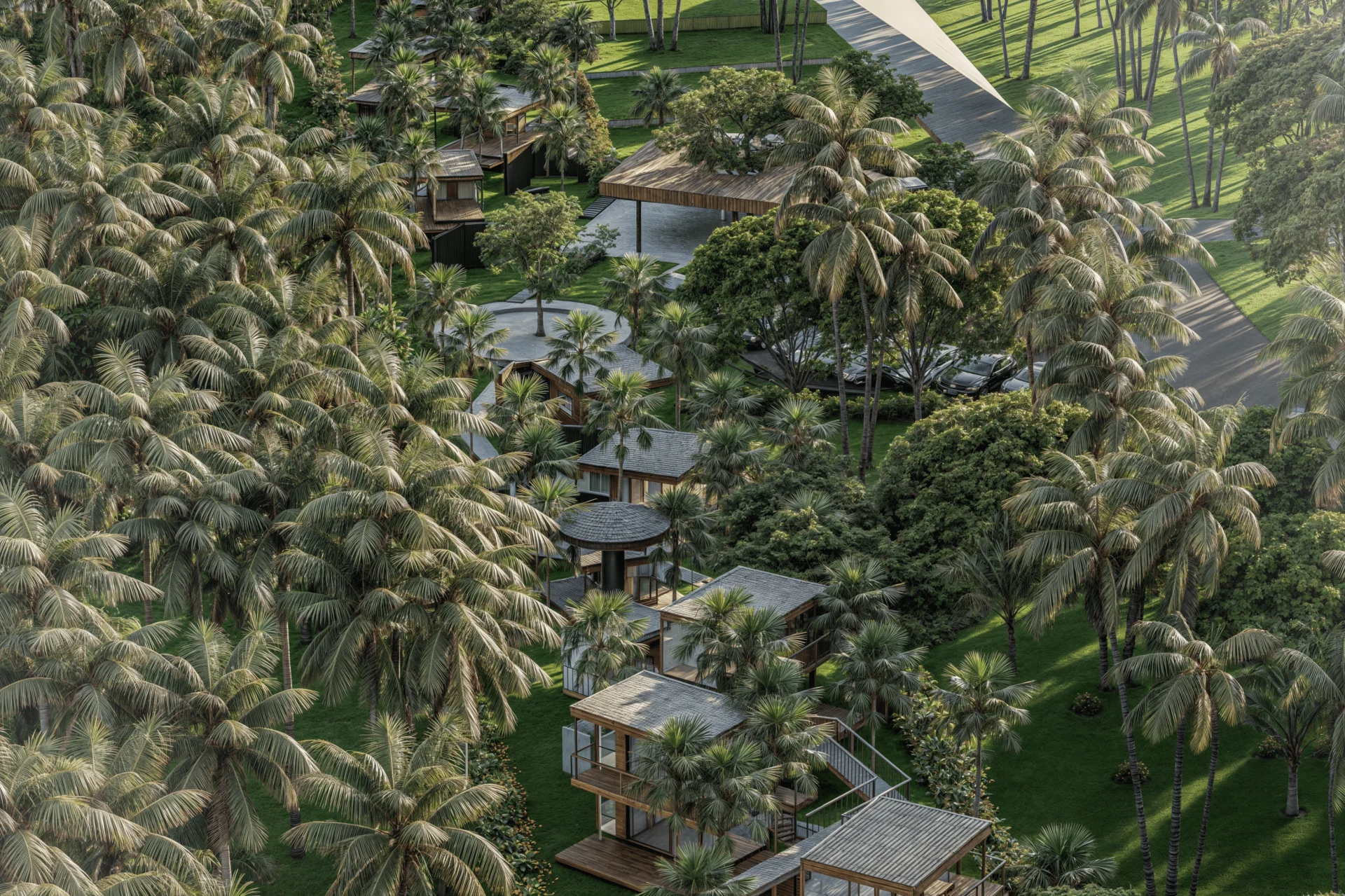
Medewi, Jembrana is a project to prove our excellency, where the waves whisper and the sunsets linger, we built the perfect place to explore the soul of solitude. It is our ode to calmness, a destination where master plan architecture meets emotion and where design becomes an experience that connects earth, sea, and also soul.
This coastal retreat unfolds across 5,300 m² of tropical serenity, surrounded by unspoiled nature and framed by the rhythmic sound of the Indian Ocean. Unlike the mountain chill of our previous Kintamani Cabin project, Medewi – Solitary Cabin tells a new story .
Design Story
Led by Cokorda Istri Gita Anindyanari, S.Ars, this project is an exploration of tropical modern architecture rooted in sensitivity and balance. Every line, texture, and pathway reflects the rhythm of Medewi; authentic, quiet, and alive.
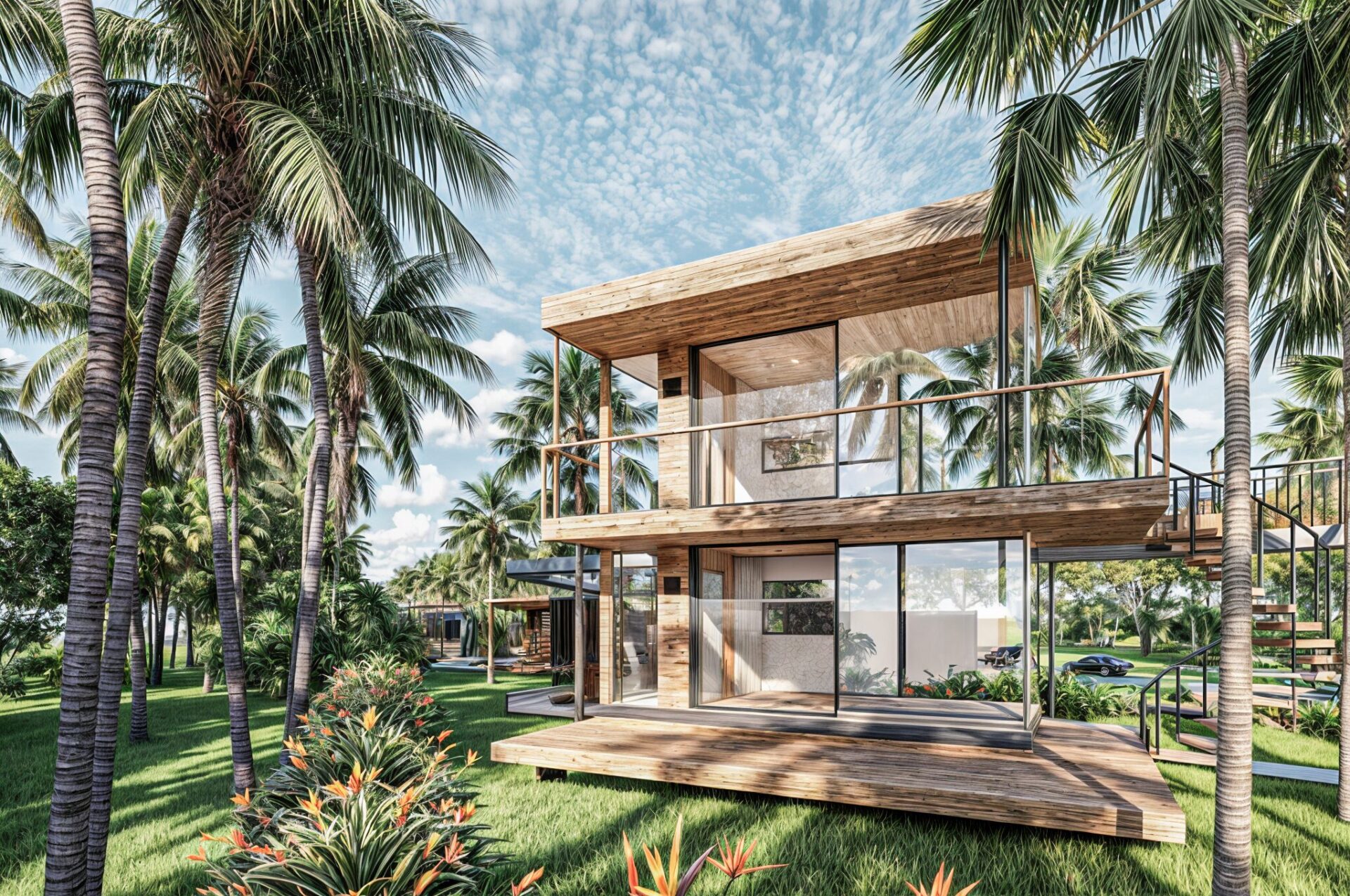
We designed each cabin as a dialogue between wood, stone, and glass. Natural materials ground the structures to the land, while transparent façades open them to the sea breeze and golden light. Elevated designs also echo the feeling of a treehouse, floating above the tropical landscape yet deeply connected to it.
A Journey Through Space
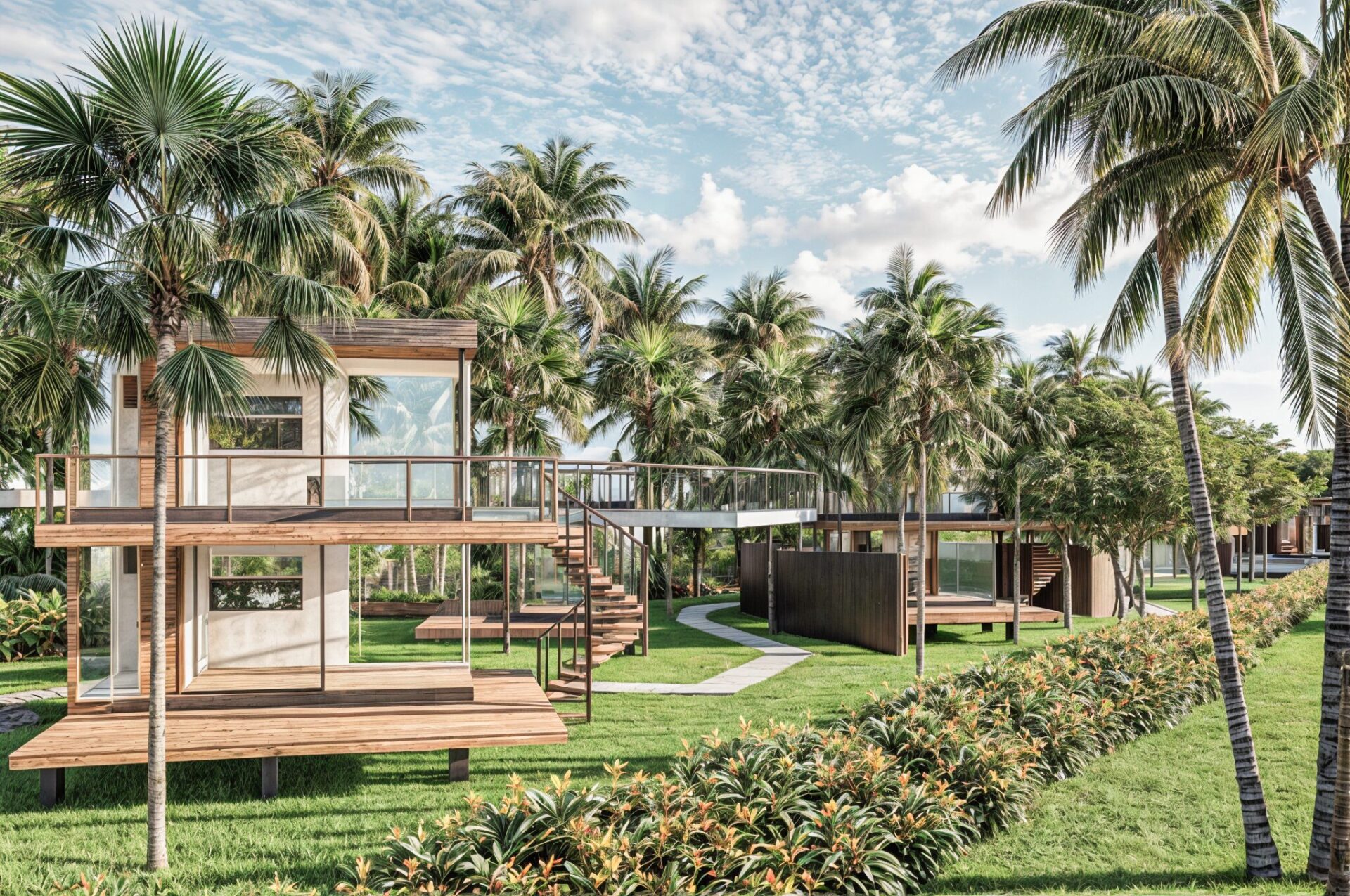
The master plan architecture embraces both privacy and flow. Eight 1-storey cabins offer a simple, grounded experience for the minimalist traveler, while five 2-storey cabins rise gently, revealing panoramic views of the ocean and sunset.
What about public spaces? Here, the restaurant, bar, and pool lounge become soft transitions between land and sea. Floating pathways, natural stone trails, and gardens also merge to create an organic movement across the site, where every step invites you to a slower rhythm.
Also Read: How Story Driven Design Property Enhances Real Estate Value
The Medewi Experience
At its core, Medewi – Solitary Cabin is about connection; to nature, to oneself, to the quiet joy of stillness. Inside of here, the master plan architecture is not rigid or grandiose, it is alive, feels like breathing with the land.
You can walk barefoot along the pathway, feel the texture of the soil, and watch the horizon melt into shades of amber. Each design choice from lighting to landscape is meant to heighten our senses and remind us as guests that luxury can exist in silence.
A Manon Philosophy
At Manon, we see design as emotion translated into form. Through thoughtful master plan architecture, we craft destinations that invite people to pause, reconnect, and feel deeply human.
Because design, when done with intention, does not just build structures, but it builds experiences. And Medewi – Solitary Cabin is our quiet song to the sea, a space that does not speak loudly but lingers softly in memory.
Why Choose Manon Design Studio?
Our expertise goes beyond designing buildings; we also shape experiences and narratives that elevate your spaces through master plan architecture; from mere structures to immersive environments.
Our services include:
- Architectural Design: Creating layouts that maximize functionality while enhancing aesthetic appeal.
- Interior Design: Tailoring interiors to complement the architectural vision and brand ethos.
- 3D Rendering: Providing visualizations to help clients better understand spatial relationships.
- Construction Drawings (MEP & Structural): Ensuring practical execution of designs.
- Cost Estimation (RAB/BOQ): Offering detailed budget planning to optimize resources.
- Construction Supervision: Available as an additional service to maintain design integrity during construction.
So, what are you waiting for? Let’s bring your vision to life… Talk to us today.