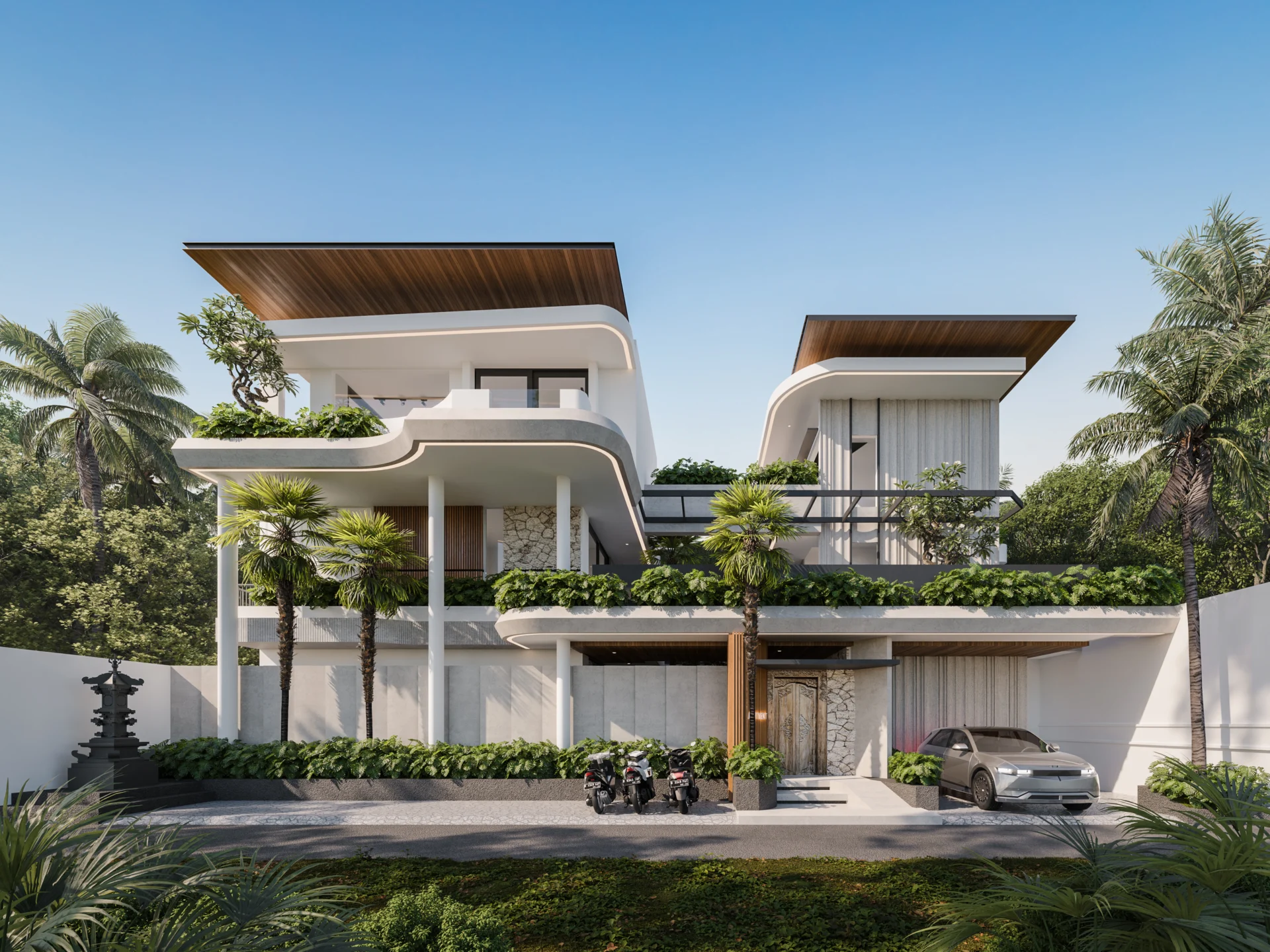
Architecture today is evolving beyond aesthetics and functionality. More people are seeking environments that support well-being, calm the mind, and reconnect daily life with nature. The biophilic design concept responds to this need by integrating natural elements, light, materials, and spatial experiences into the built environment that support both emotional comfort and physical well-being.
Rather than separating architecture from nature, this design concept encourages designers to create spaces that feel open, breathable, and grounded in their surroundings.
At Manon Design Studio, the biophilic design concept is not simply a stylistic choice, it is a philosophy that guides how we approach architectural design. By blending nature, culture, and thoughtful spatial planning, our studio creates spaces that feel harmonious and deeply connected to our environment.
Let’s dive in below!
Understanding the Biophilic Design Concept in Architecture
The biophilic design concept is an architectural approach that strengthens the relationship between people and nature within the built environment. Instead of viewing nature as something outside the building, this concept integrates natural experiences directly into everyday spaces.
This may include:
- The use of natural materials
- Open views toward landscapes
- Natural ventilation
- Indoor greenery
- The careful management of daylight
Through these five elements, architecture becomes more than shelter; it becomes an environment that supports comfort, health, and emotional balance.
In recent years, the biophilic design concept has gained significant attention as people spend more time indoors and seek ways to maintain a connection with nature.
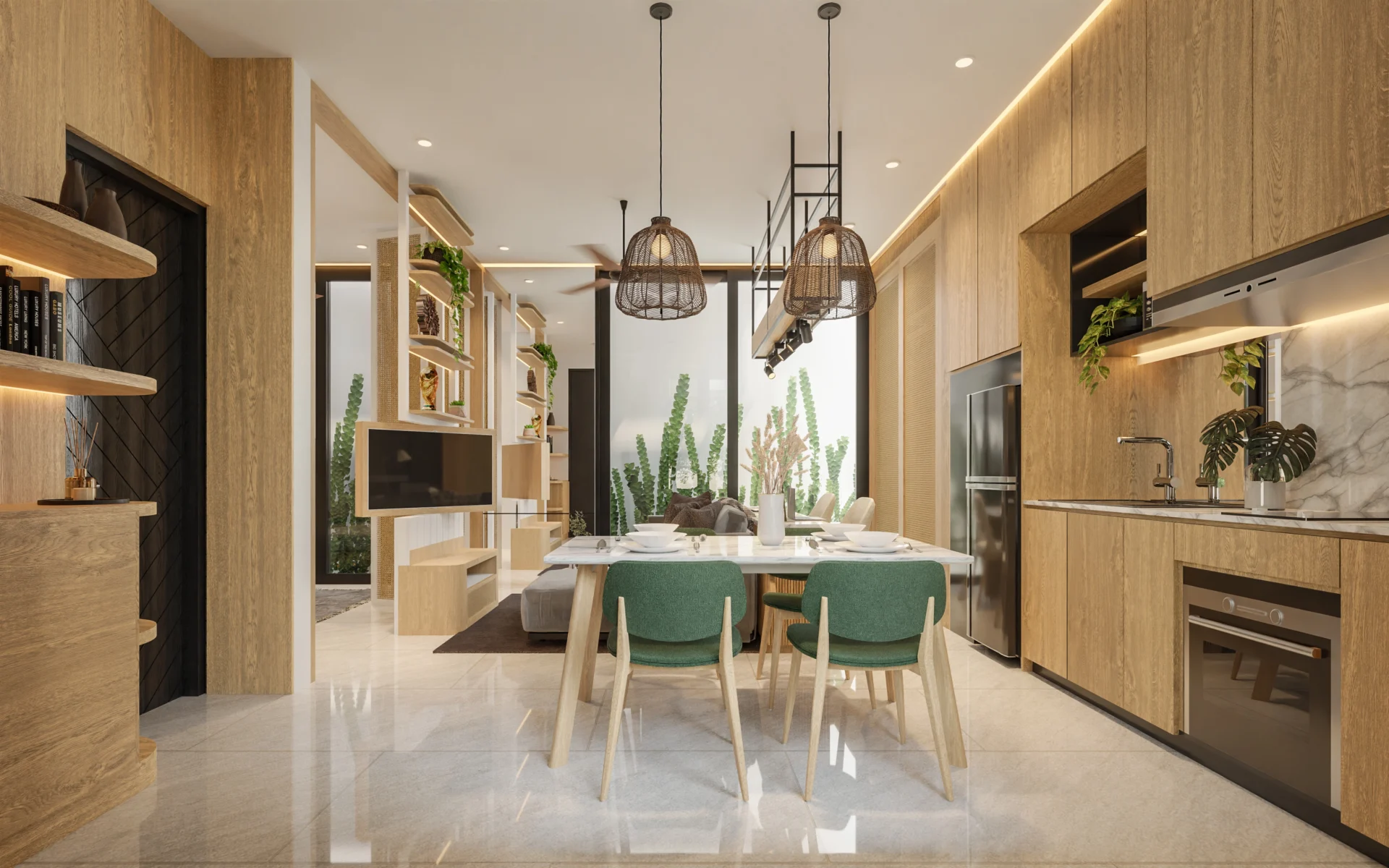
Architects are increasingly designing spaces that encourage natural airflow, bring daylight deeper into interiors, and introduce natural textures that create a sense of warmth and authenticity.
Ultimately, this design concept allows architecture to become more human-centered that focuses not only on how a building looks, but also on how it feels and how people experience it in their daily lives.
Also Read: How to Transform Spaces with Biophilic Interior Design
Why the Biophilic Design Concept Works Naturally in Tropical Architecture
Tropical environments provide an ideal context for applying the biophilic design concept. Regions such as Bali offer abundant sunlight, lush landscapes, and natural ventilation opportunities that allow architecture to interact closely with the surrounding environment.
In tropical architecture, this design concept often appears through some parts of the building, such as:
- Open layouts
- Shaded outdoor spaces
- Natural cross-ventilation
- Strong connections between indoor and outdoor areas
These elements create spaces that feel fresh, relaxed, and in harmony with the climate.
Rather than relying heavily on artificial systems, architecture can use natural airflow, sunlight, and landscape integration to create comfortable living environments. This approach not only improves sustainability but also enhances the sensory experience of a space.
In locations like Bali, the biophilic design concept aligns naturally with cultural values that respect nature and emphasize balance between built structures and the surrounding landscape.
Our Philosophy at Manon Design Studio
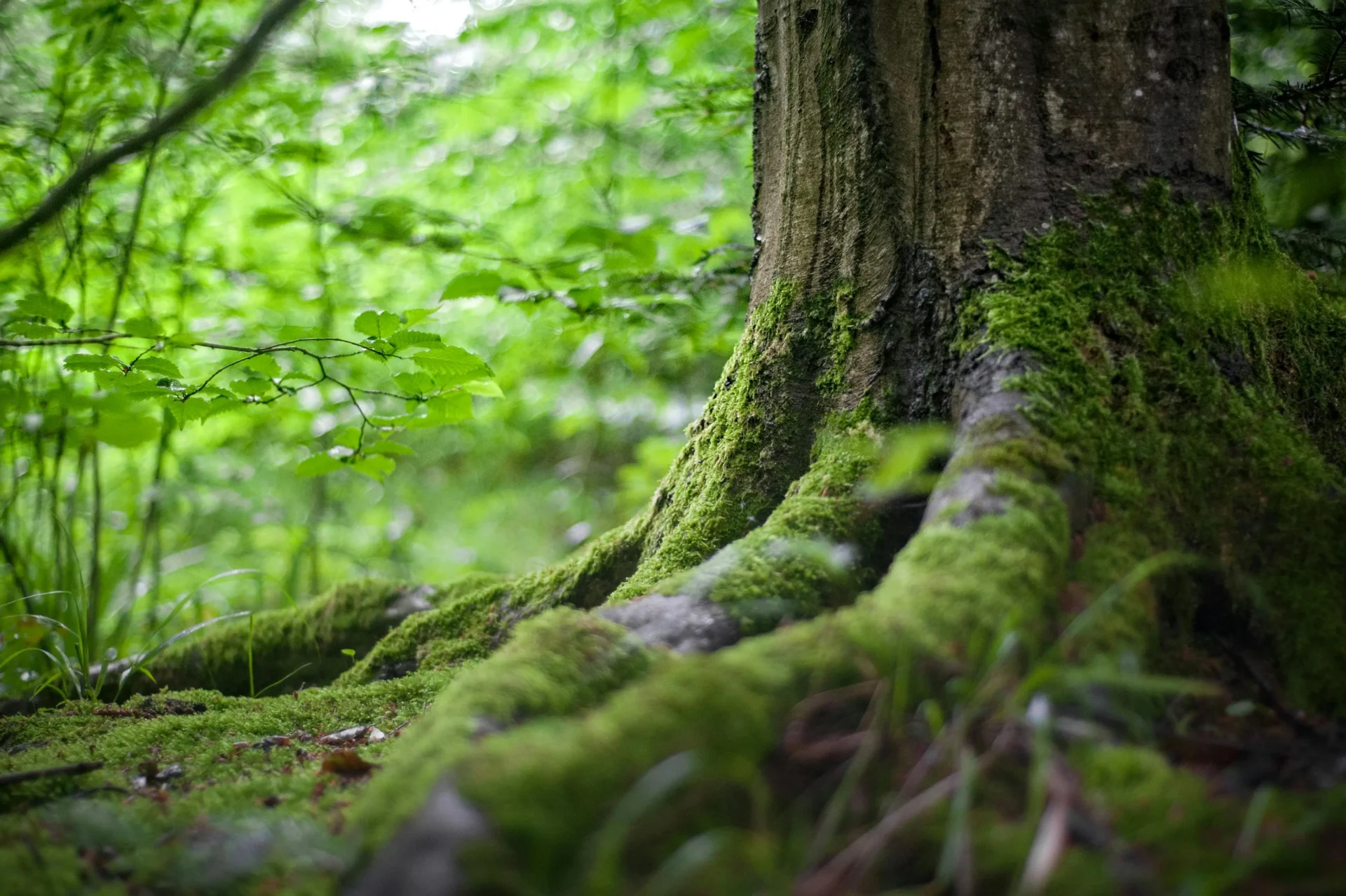
At our studio, architecture begins with people and their relationship with the environment. Our work is guided by the belief that thoughtful design can shape how individuals experience comfort, calm, and connection within a space.
The biophilic design concept plays an important role in this philosophy. By understanding how natural elements influence human well-being, we design spaces that support relaxation, clarity, and emotional balance, as we mentioned before.
Rather than imposing architecture onto a site, our approach considers the natural conditions of the location, including:
- Light
- Climate
- Landscape
Through this process, the biophilic design concept becomes a framework that allows our architecture to blend naturally with Bali’s surroundings.
This perspective allows every project to feel unique while maintaining a consistent design principle centered on harmony between people, architecture, and nature for our clients.
Explore how our philosophy and dedicated team can help you create the space you have always imagined.
How We Apply the Biophilic Design Concept in Our Projects
At Manon Design Studio, this design concept is translated into practical architectural strategies that shape how spaces function and feel, including:
1. Natural Light
It is carefully considered in every project. Large openings, strategic orientations, and layered shading allow daylight to illuminate interiors while maintaining comfort.
2. Balancing the Environments
Another key aspect of the biophilic design concept is the relationship between indoor and outdoor environments. Terraces, gardens, courtyards, and transitional spaces create fluid movement between architecture and landscape.
3. Materials
Material selection also plays a significant role. Natural textures such as wood, stone, and organic finishes, etc introduce warmth and authenticity to a space which is reinforcing the sensory experience of this design concept.
4. Spatial Layouts
In addition, spatial layouts are designed to support airflow and openness. Natural ventilation strategies help maintain comfort while reducing reliance on mechanical systems in your building.
Through these design approaches, the biophilic design concept that we present to you becomes a living part of the architecture rather than a decorative element.
Also Read: The Power of Effective Circulation in Architecture
Case Study
1. Kebilbil Apartment
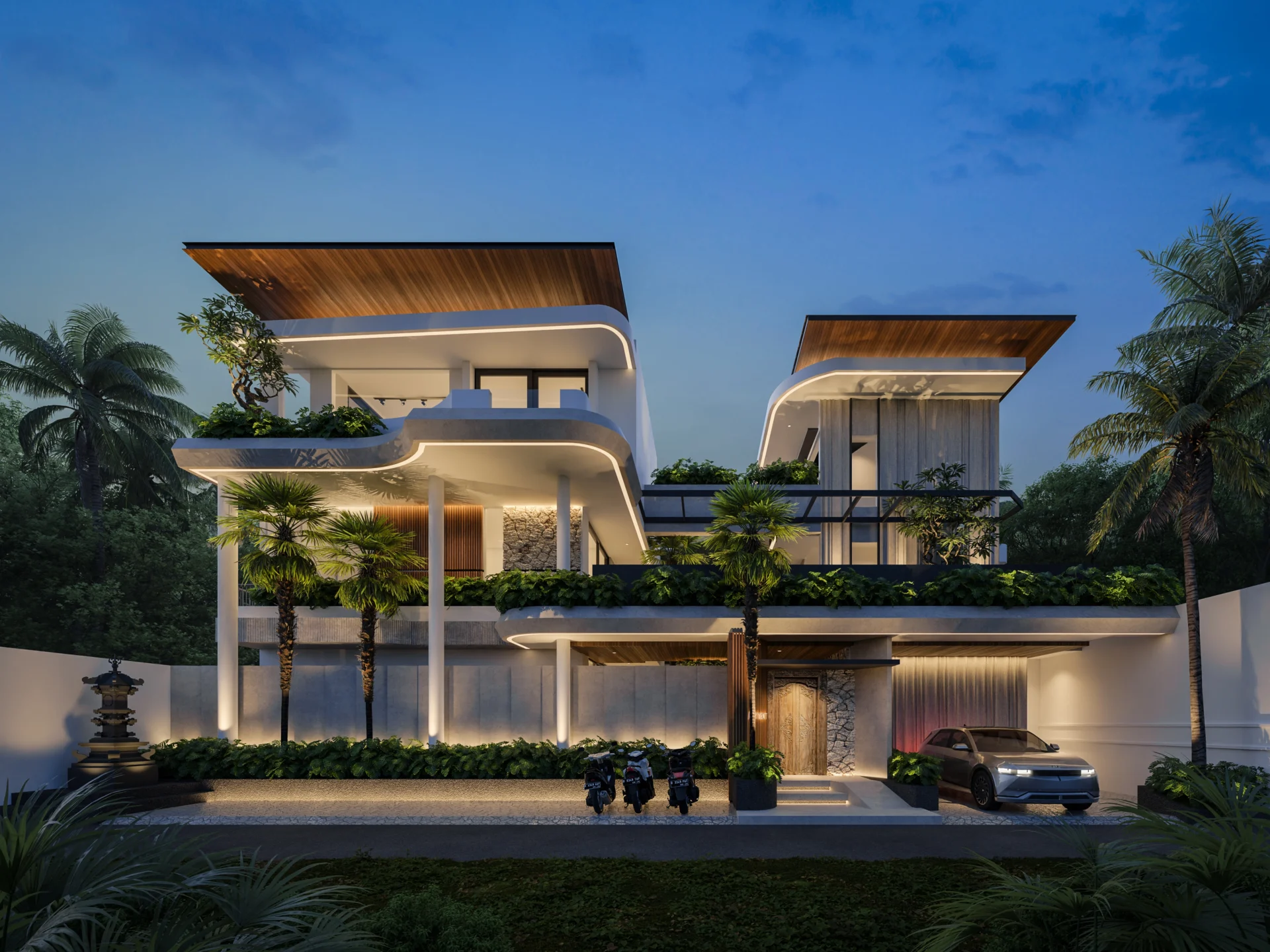
Our Kebilbil Apartment project demonstrates how the biophilic design concept can be applied within a residential apartment environment. In multi-unit developments, maintaining a strong connection to nature can often be challenging.
For this project, our design introduces greenery, open circulation areas, and generous natural light to create a more balanced living atmosphere.
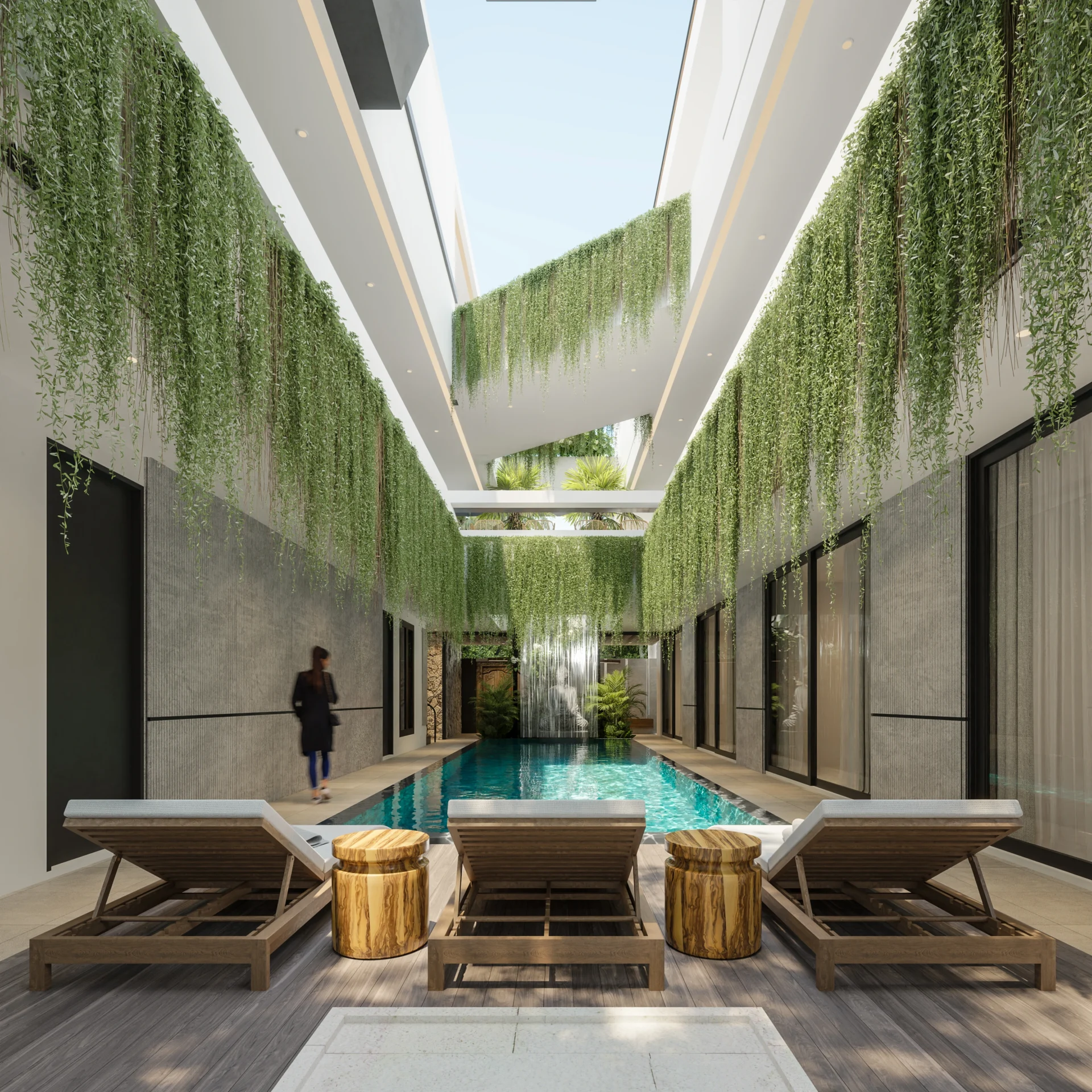
Shared spaces are designed to encourage interaction while remaining connected to outdoor elements. By incorporating natural airflow, views toward greenery, and thoughtful spatial openness, the design concept helps transform this apartment environment into a calm and welcoming residential experience.
Learn more about our Kebilbil Apartment project here
2. Taupe Villa
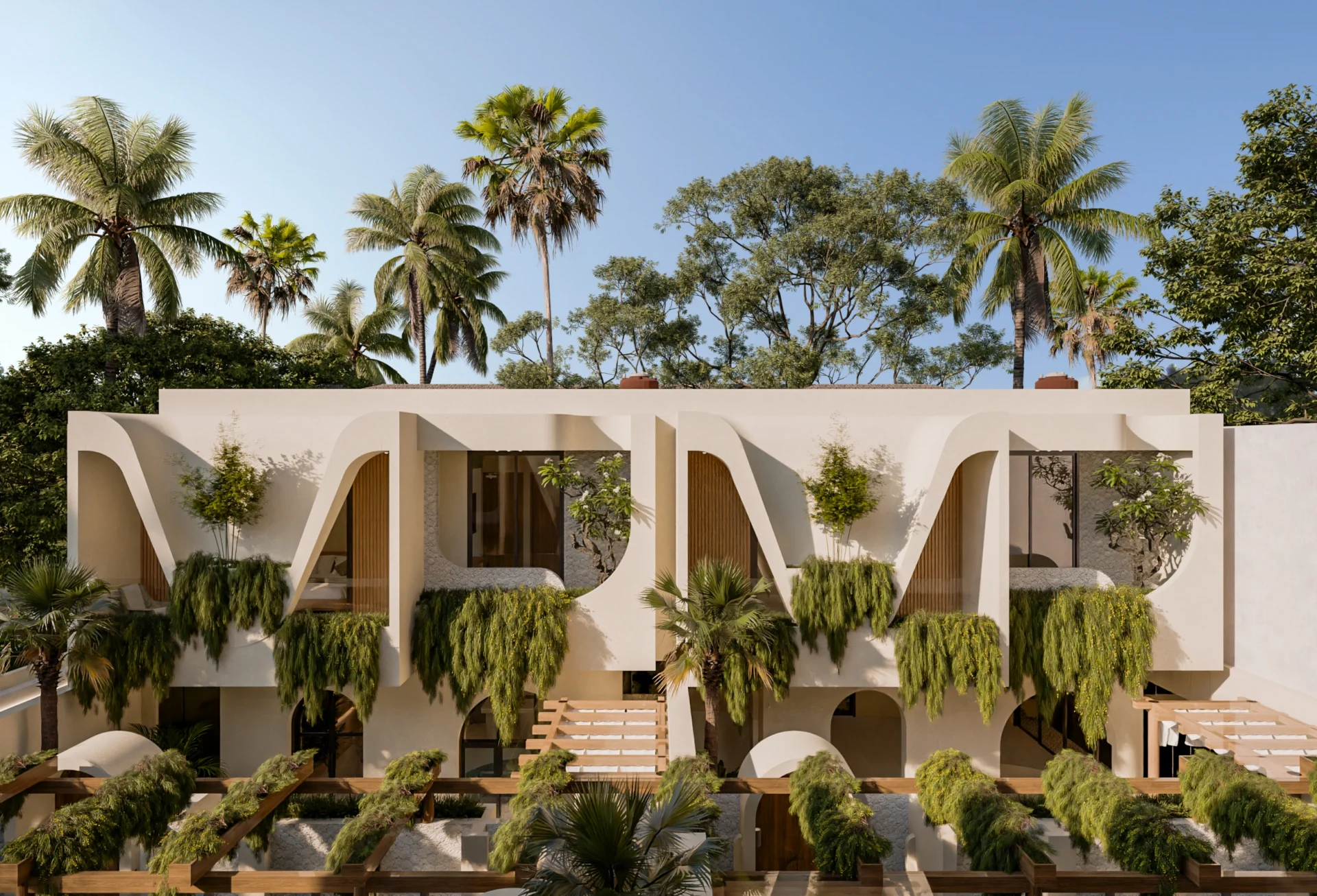
Our next biophilic projec is Taupe Villa. It reflects a more intimate application of the biophilic design concept within a private residential setting. The villa’s design emphasizes a seamless relationship between the interior architecture and the surrounding landscape.
Here, natural materials, soft textures, and balanced lighting create a tranquil atmosphere throughout the space. Gardens and outdoor terraces also extend the living areas, allowing residents to experience nature as part of their daily routines.
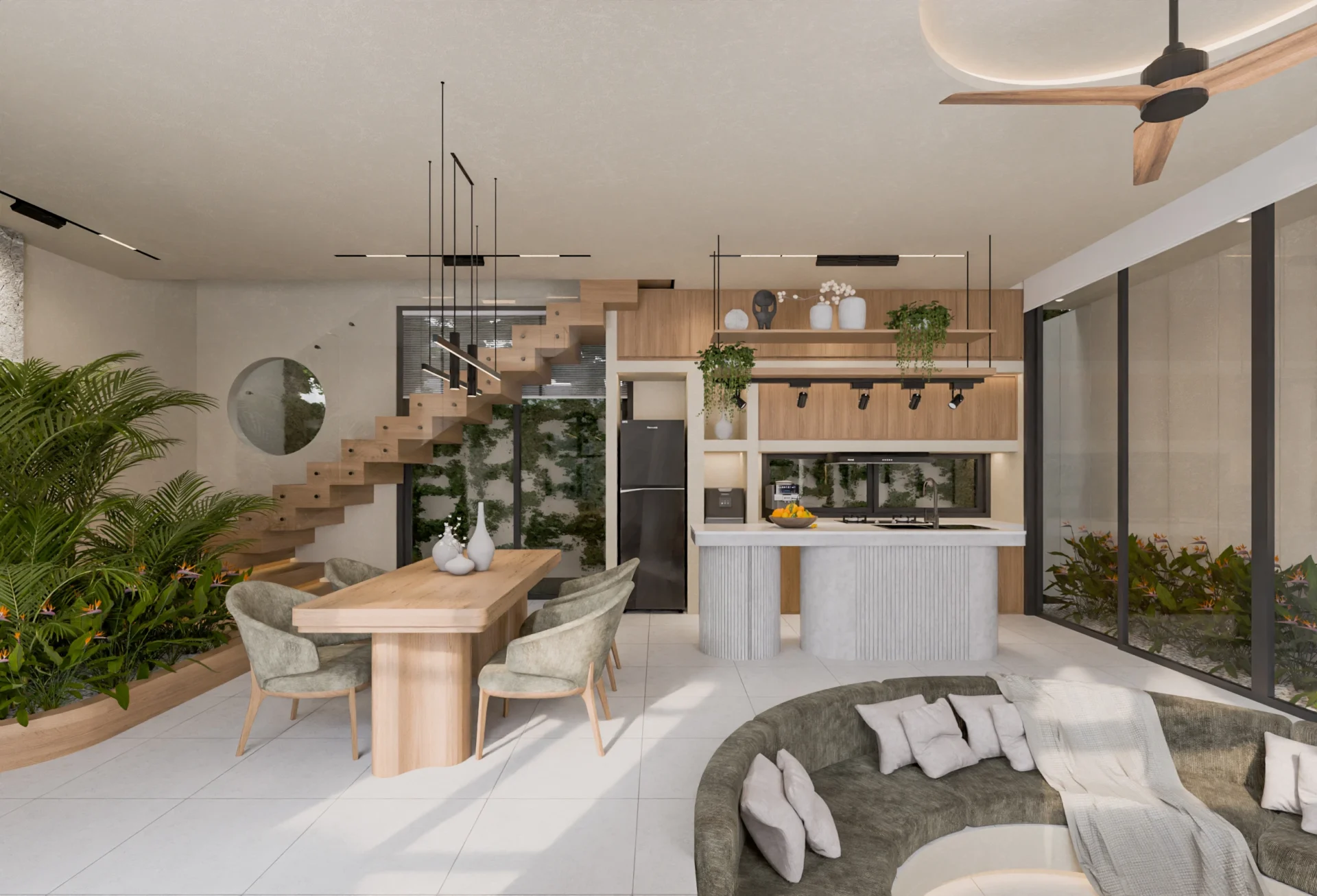
Through these elements, the biophilic design concept enhances the sense of calm and privacy that defines the character of Taupe Villa.
Discover the story behind our Taupe Villa project, here.
3. Nata Desa Apartment
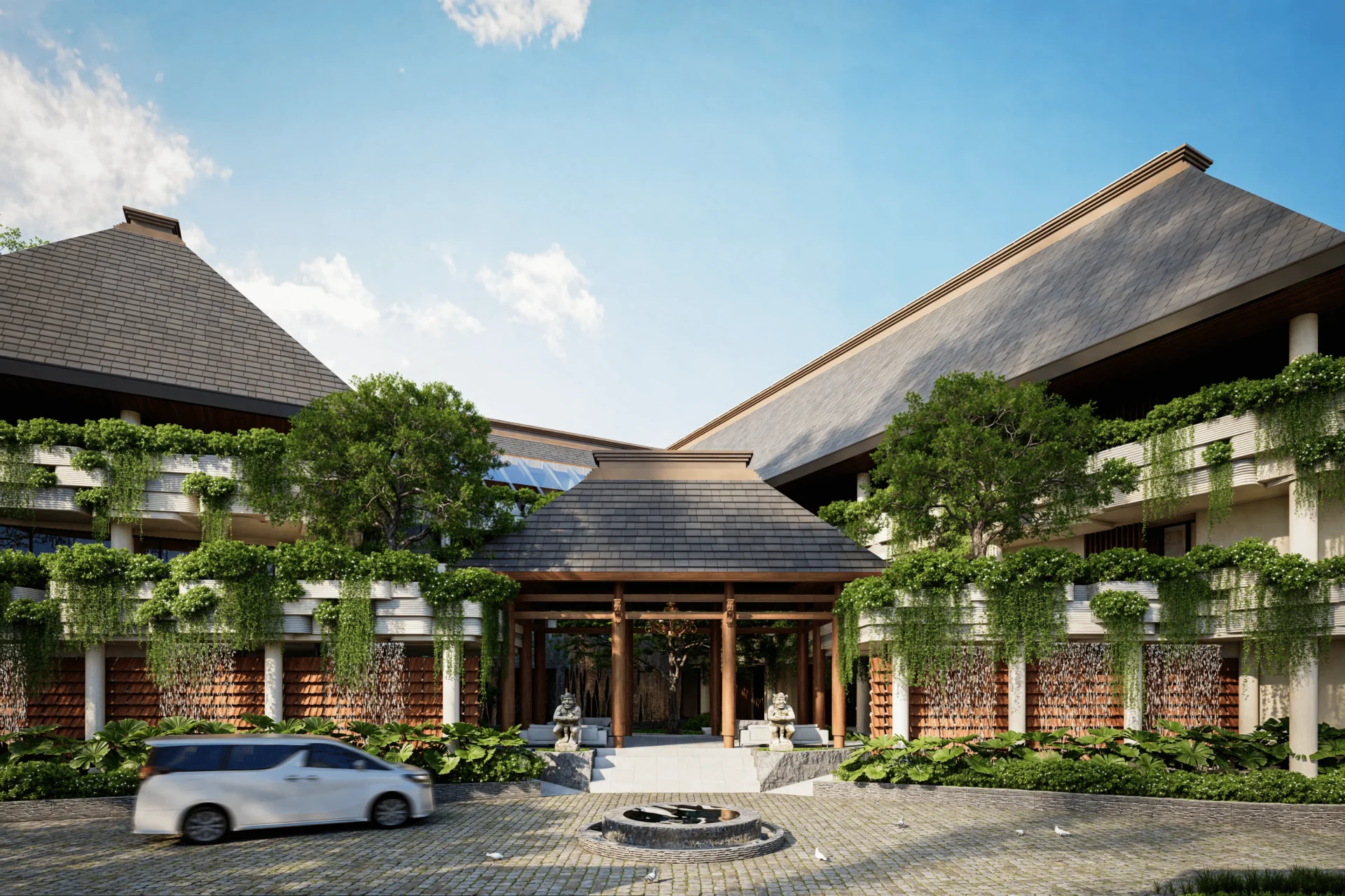
The last but very least, our Nata Desa Apartment project also explores how the biophilic design concept can shape a larger residential community. Instead of focusing solely on individual units, our design introduces nature into shared spaces and communal environments.
Courtyards, green areas, and open circulation paths allow residents to experience natural light and vegetation as part of the building’s spatial flow. By integrating these elements throughout the development, the biophilic design concept supports a living environment that feels connected, breathable, and balanced despite the density of urban living.
Explore our Nata Desa Apartment project and see how the design came to life.
Also Read: Manon Wins Natadesa Competition for Luxury Apartment Design
The Values of the Biophilic Design Concept for Modern Living
The growing interest in biophilic design reflects a broader shift toward healthier and more sustainable living environments. Research shows that people have an innate connection to nature which is a concept known as biophilia explains why nature-integrated spaces are increasingly valued in modern architecture. (Edward O. Wilson, 1984)
More than that, spaces that incorporate natural elements are often associated with measurable improvements in well-being. Studies indicate that access to daylight, greenery, and natural views can reduce stress and improve mood.
For instance, workplace research found that employees in environments with natural elements reported up to 15% higher levels of well-being and creativity. (Human Spaces, 2015)
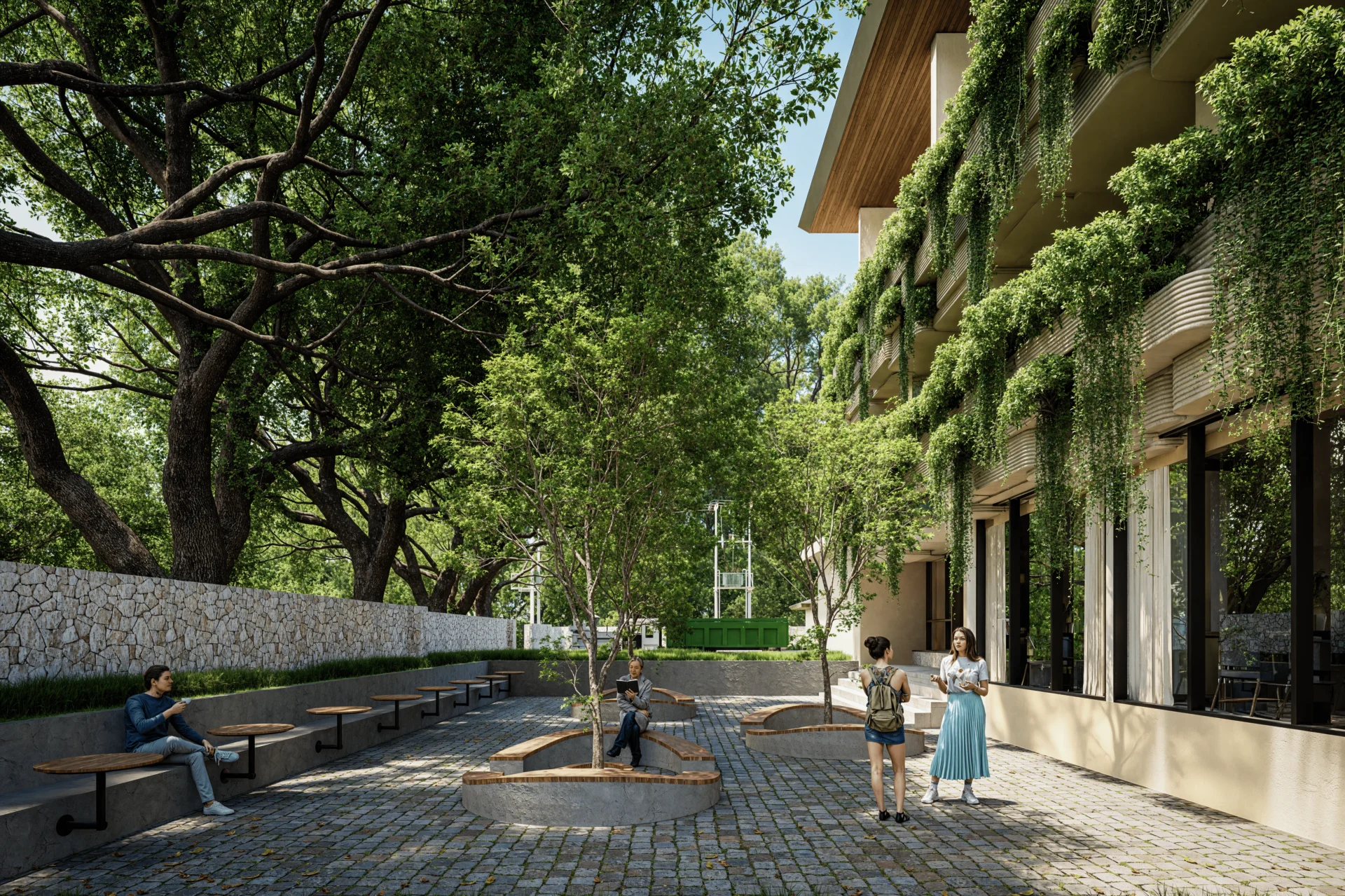
Daylight, greenery, and natural airflow also contribute to environments that feel calmer and more restorative. Even healthcare research has shown that patients with views of nature recovered faster and required less pain medication compared to those without natural views. (Roger Ulrich, 1984)
And from a design perspective itself, the biophilic design concept encourages sustainable thinking by prioritizing passive environmental strategies. Approaches such as natural ventilation, daylight optimization, and vegetation integration can reduce energy use while improving indoor environmental quality. (World Green Building Council, 2014)
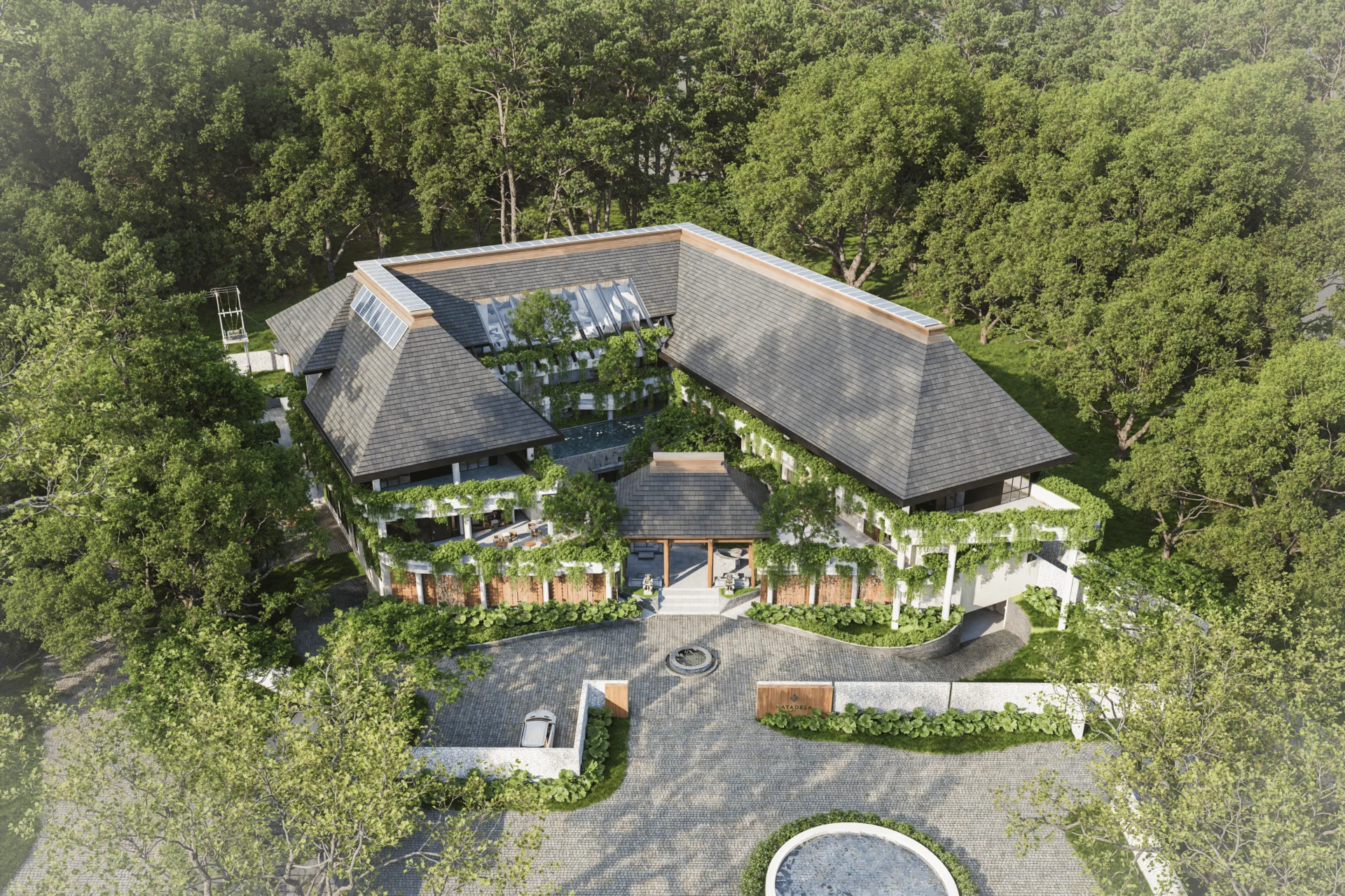
For homeowners and developers alike, architecture that embraces biophilic principles often holds long-term appeal. Why? Research in environmental psychology suggests that spaces connected to natural surroundings tend to remain timeless, adaptable, and deeply valued by occupants over time. (Terrapin Bright Green, 2014)
Together, these values reinforce the idea that architecture finds its greatest meaning when it supports both people and the natural world. Through biophilic design, buildings can transcend their physical form and become environments that cultivate well-being, harmony, and balance.
Also Read: How Green Walls Architecture Brings Nature to Life
At Manon Design Studio, this philosophy guides our approach to every project. Established in Bali in 2014 by architect Brahasata Indra, our studio focuses on creating thoughtful architecture that blends natural elements, cultural practices, human comfort, and timeless design principles.
Projects that we mentioned before reflect our commitment to applying the biophilic design concept in ways that create harmonious, nature-connected spaces for everybody.
Start the conversation today and discover how Manon Design Studio can turn your dream space into reality.