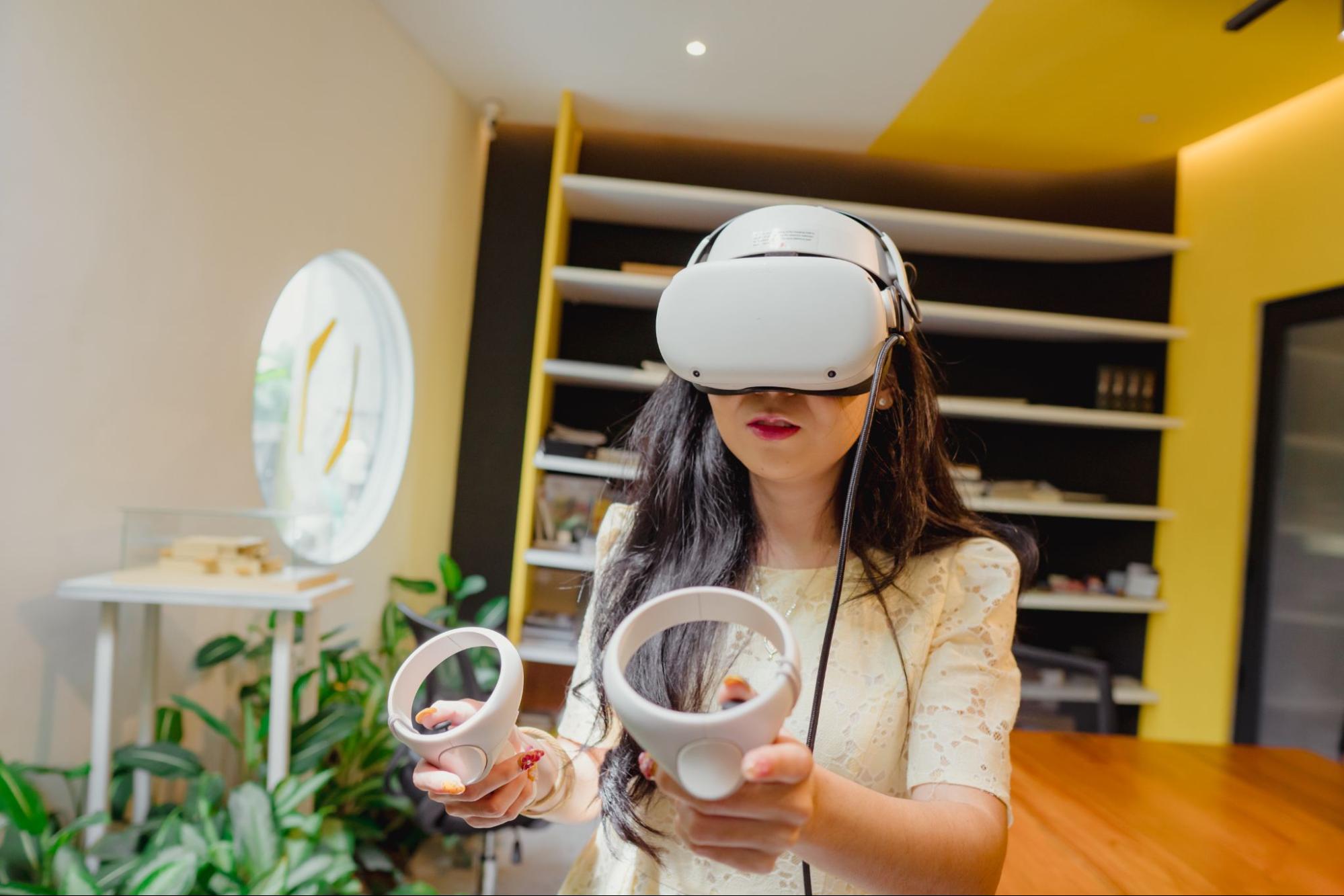
Imagine crafting a world where your clients do not just see, but feel and experience the story you are telling. That is the magic of a well-executed virtual reality design process: it turns ideas into immersive realities that connect emotionally and intuitively with people.
Great VR is not just about spectacular visuals. It is about people first, how they feel, move, interact, and stay comfortable within your virtual space. Because when you embrace the right design process, you are building an application and designing memories.
That is why structuring your process matters: to reduce uncertainty, improve clarity, and bring architectural intent to life.
Let us show you how we design in virtual reality. You might be surprised by how we create a beautiful space that is made just for you.
What Is Virtual Reality Design?
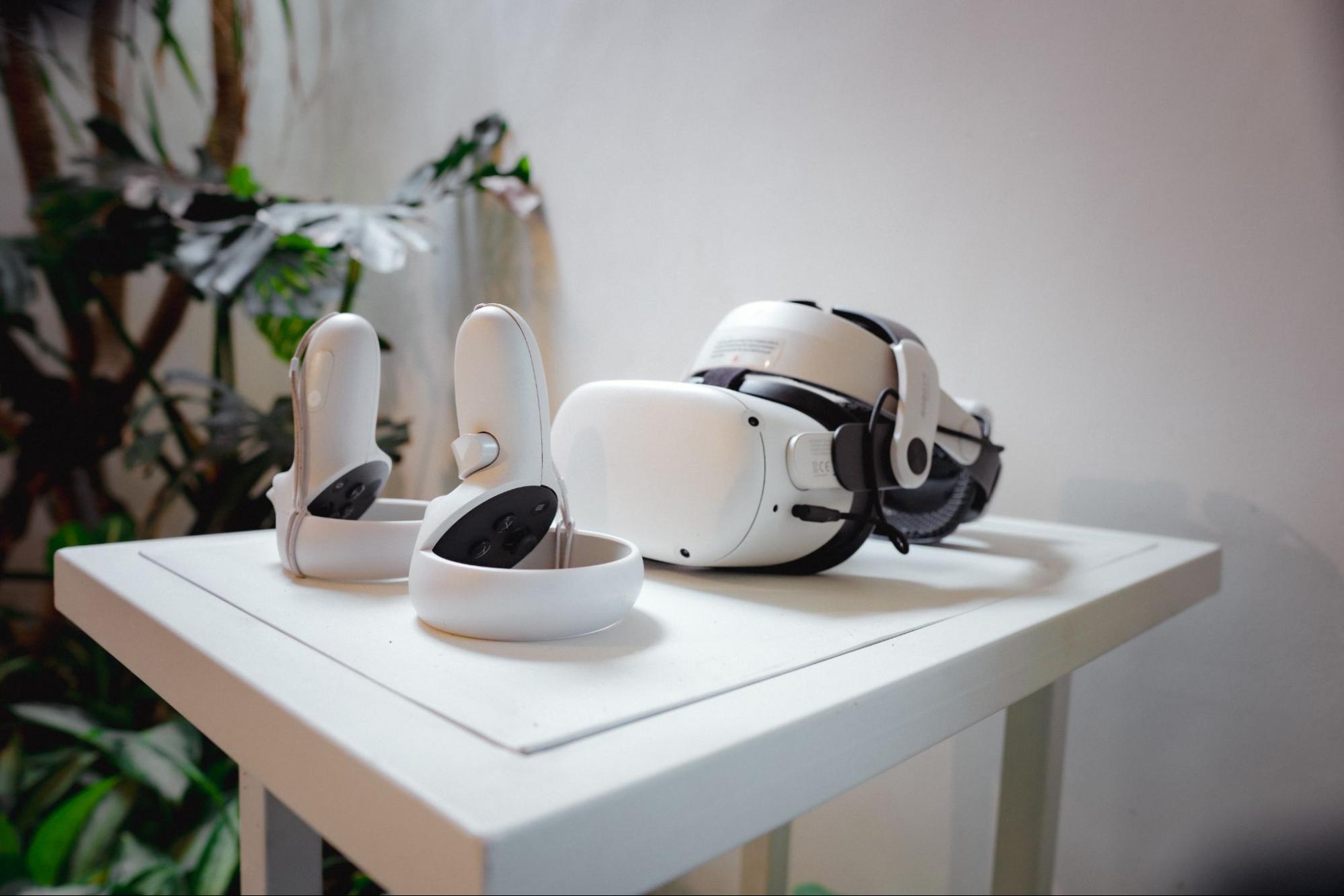
At its heart, the virtual reality design is a human-centered journey of understanding needs, crafting meaningful experiences, and refining those experiences through real user feedback.
In VR, you are not designing for screens, but you are designing for presence, and presence requires comfort, clarity, and intuition.
Every VR designer must consider spatial interaction, natural movement, visual coherence, and cognitive comfort. Unlike flat interfaces, VR interfaces are 3D worlds, and that elevates both the opportunity and the complexity of your design approach.
This raises the question: “How does Manon use this technology to create the perfect design for our clients?”
We use virtual reality design with a collaborative, client‑focused approach to transforming architectural concepts into immersive and interactive environments for our clients. Instead of asking our clients to interpret drawings or static renders, we invite them to walk through their own dream designs.
Here, Manon focuses on spatial accuracy, intuitive navigation, and comfort, ensuring every virtual environment our clients want feels natural and purposeful. By aligning design, technology, and user experience, we help clients visualize spaces with confidence and clarity.
Why Virtual Reality (VR) Matters — Especially in Bali
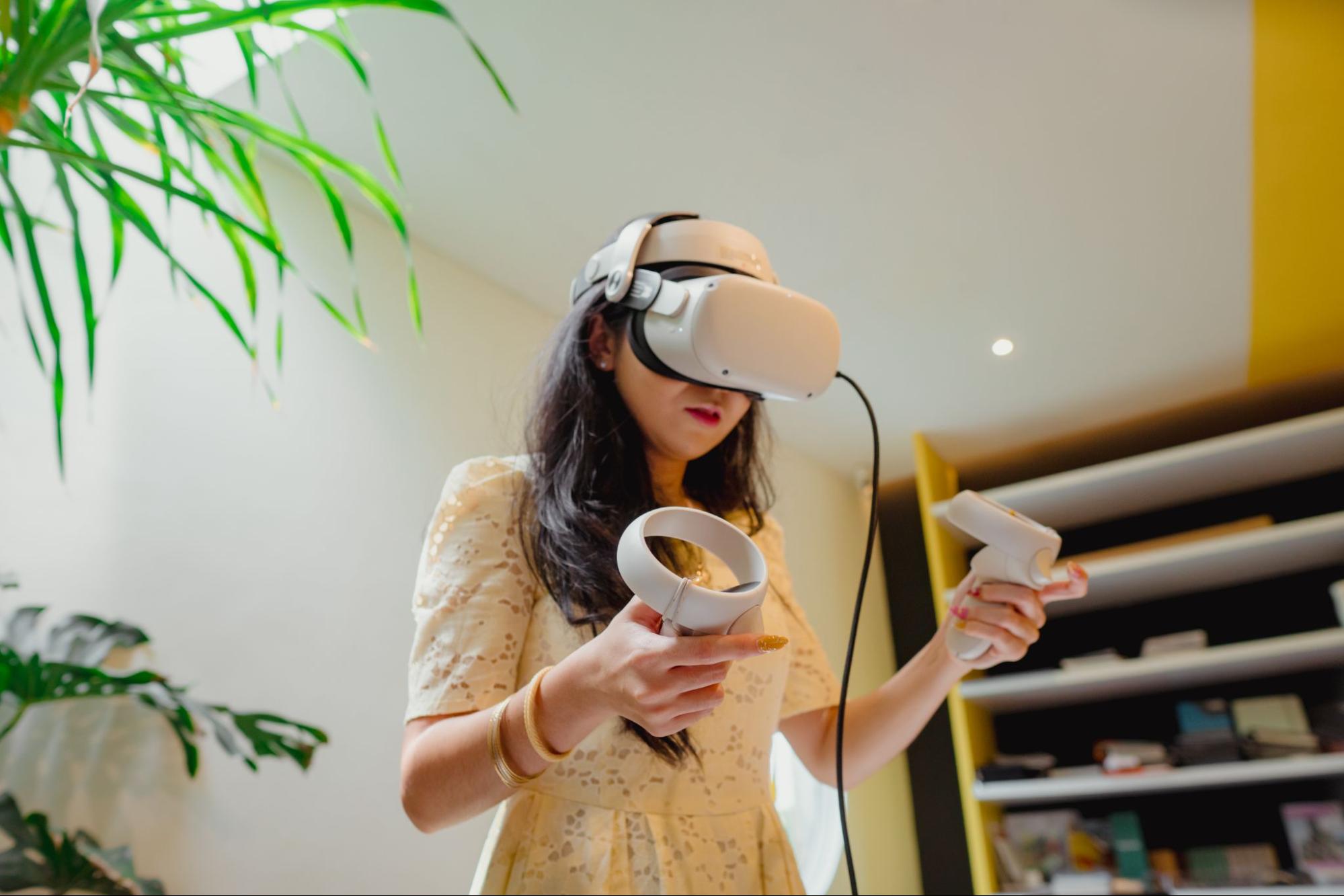
When we talk about the Virtual Reality design process, we always bring it back to basics. VR is not about being flashy or high-tech. Its real purpose is simple: helping clients clearly understand space before it is built.
This becomes especially important in Bali, where villas and houses are increasingly built in dense, fast-developing areas. Neighbors are closer, buildings are taller, and what looks generous on plan can feel very different in real life.
1. Aligning What You See With What You Will Actually Get
One of the most common challenges in the Virtual Reality design process we see is misaligned expectations. Floor plans and renders are useful, but they still require imagination — and not everyone reads scale the same way.
With VR, clients can walk through the space at true 1:1 scale. They can feel how wide a corridor is, how high a ceiling feels, or how close the next building really is. This kind of spatial understanding is aligned with what our architecture team calls human-scale perception. It is a core principle in architectural design that ensures spaces feel comfortable when experienced, not just measured.
Research in architectural visualization has shown that immersive environments significantly improve spatial understanding compared to drawings or static images alone.
2. Privacy: A Real Pain Point in Bali Villas
Privacy is where VR becomes especially powerful in the Bali context. We often encounter villas where bedrooms, outdoor bathrooms, or pool areas end up being visible from neighboring balconies or upper floors. Most of the time, this is discovered too late, when the building is already there.
VR allows us to check privacy before construction, by simulating real eye-level views not only from inside the villa, but also from surrounding buildings. This makes it easier to see potential exposure early and adjust orientation, openings, screens, or landscape buffers while changes are still simple and cost-effective.
This Virtual Reality design process approach is closely related to line-of-sight analysis, a standard method used in architecture and urban design to evaluate visibility and privacy.
Studies in built environment research confirm that visual exposure strongly affects perceived comfort and residential satisfaction
3. VR as a Preventive, Client-Centered Tool
In dense villa environments like Bali, VR is not about perfection, but prevention.
It helps ensure that:
- The space feels right, not just looks right
- Private areas stay truly private
- Design decisions are made with clarity, not assumptions
Used this way, VR builds trust. Our clients feel more confident, our designers can anticipate issues earlier, and the final built result is much closer to what everyone imagined from the start.
That is why we see the Virtual Reality design process not as an add-on, but as a practical design tool that protects comfort, privacy, and long-term satisfaction for everyone involved.
Key Stages of Our Virtual Reality Design Process
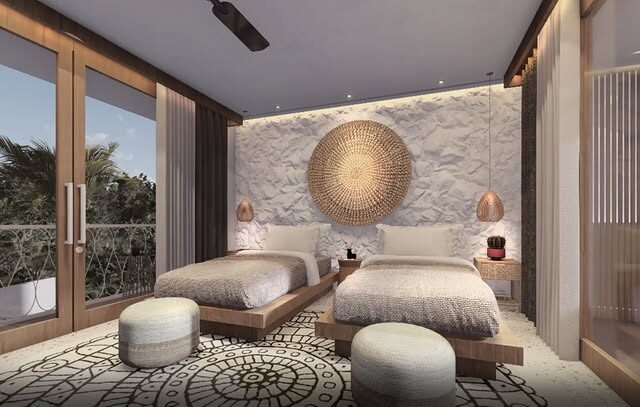
1. Research and Project Alignment
A great VR experience starts with empathy. Manon understands that.
- Who are your users?
- What problem are you solving?
- What do they fear or enjoy in immersive spaces?
The deeper you explore these questions, the stronger your foundation, because design choices should always align with real human behavior and needs.
On that subject, we begin by understanding your project goals, audience, and architectural intent. Whether it is a residential development, commercial space, or public environment, we align our virtual reality design process with our client’s vision, timelines, and decision‑making needs.
This early alignment ensures the VR experience supports design validation, stakeholder approval, and client engagement.
2. Storyboarding and Experience Mapping
The next virtual reality design process is storyboarding. It is not just sketching a scene; it includes:
- Mapping motion
- Interaction
- Emotion
- Transition
Think of it as a path through someone’s mind: Where do they start, what draws their attention, and how do they engage safely and meaningfully? This stage anchors the user journey and helps avoid confusion and discomfort later on.
So, before we built, we used to plan the journey. We map how users or our clients move through the space, what they see first, and how architectural elements unfold in sequence.
This stage of the virtual reality design process helps us to:
- Highlight key design features
- Guide attention naturally
- Avoid disorientation or confusion
By planning the experience, we guarantee the architecture communicates itself clearly.
Also Read: How Story-Driven Design Property Enhances Real Estate Value
3. Prototyping and Testing (Early and Often)
This virtual reality design process is where our ideas touch reality. In VR, this is not optional; it is critical. Early user testing reveals pain points like motion sickness, confusion, or overwhelm.
At this stage, we look at how our clients experience early builds, including:
- How can we see where they hesitate
- Where their expectations do not match the design
- What interaction feels intuitive vs. frustrating
The pinpoint is real feedback that makes everything better.
We translate our client’s architectural models into optimized, immersive VR environments where accuracy matters, with scale, lighting, materials, and proportions that must feel true to life. As part of our virtual reality design process, we balance realism with performance so our clients’ experiences run smoothly while maintaining visual fidelity.
4. Interaction and UI/UX Design
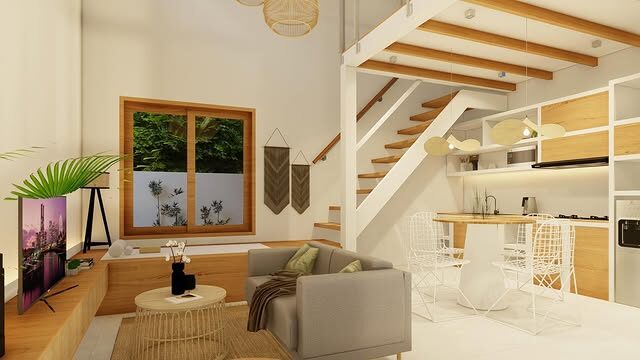
In VR, our clients interact with our experience, not just view it. That means controls need to feel natural, meaningful, and effortless. These practices ensure our clients feel in control, and when they feel in control, immersion deepens.
Through architecture, we use this advanced technology for the next level of our clients’ experiences. In the design we create, interactions should feel natural, unobtrusive, and purposeful. How? We prioritize some of these virtual reality design processes, such as:
- Comfortable navigation
- Clear points of interaction
- Minimal learning curves for clients and stakeholders
This allows our clients to focus on the space itself, not the technology.
See what a project meeting looks like when we use virtual reality with our clients. Curious? Take a look here.
In this virtual reality design process, every texture, model, and space impacts how users interpret your virtual world. Too much clutter? Confusion. Too little guidance? Lost.
Our visuals should guide attention (not distract), and your spatial design should mirror real-world expectations like comfortable reach zones, readable text, and believable scale. Even simple UX factors like responsive sound can increase engagement significantly with our clients.
5. Deployment, Optimization, and Comfort
A polished VR experience must run smoothly. High frame rates, low latency, and responsive controls are essential. Technical performance directly affects user comfort, and poor performance can lead to cybersickness or frustration.
This stage is where our design becomes real on devices like Meta Quest, HTC Vive, or others, and where performance tuning translates to memorable experiences.
So, once finalized, we used to optimize the VR experience for the intended platform, ensuring smooth performance, comfort, and reliability. Whether used for internal reviews, client presentations, or marketing, our virtual reality design process ensures our project is delivered polished and ready.
Best Practices We Follow
- We design for comfort and accessibility.
- We prioritize architectural intent over visual noise
- We involve clients throughout the process
- We iterate based on real feedback
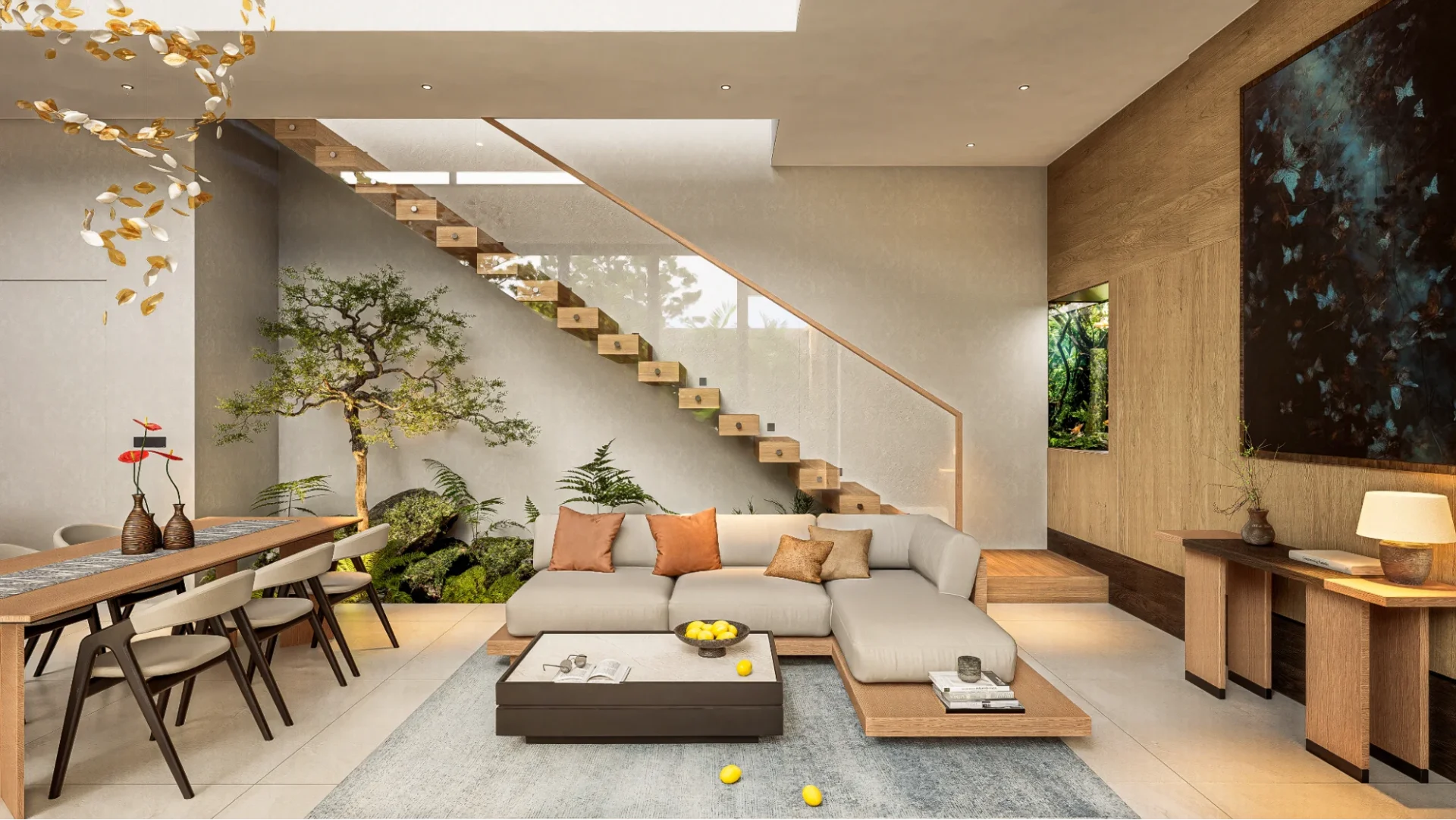
These principles guide every project we deliver.
Because we truly understand that building a VR product is inviting our precious clients into a world we created based on their dream spaces. That is our profound responsibility, and it is where the virtual reality design process becomes one of our guiding compasses in Manon Design Studio.
Important notes! Design with intention. Test with empathy. Optimize with care.
When we do this, every client does not simply use our VR experience, but they feel it. It is about trust, clarity, and collaboration that help our architectural clients see, feel, and understand their designs before they are built.
If you are ready to present architecture with confidence and bring your designs to life, our team is ready to guide you through every step, talk to us now.