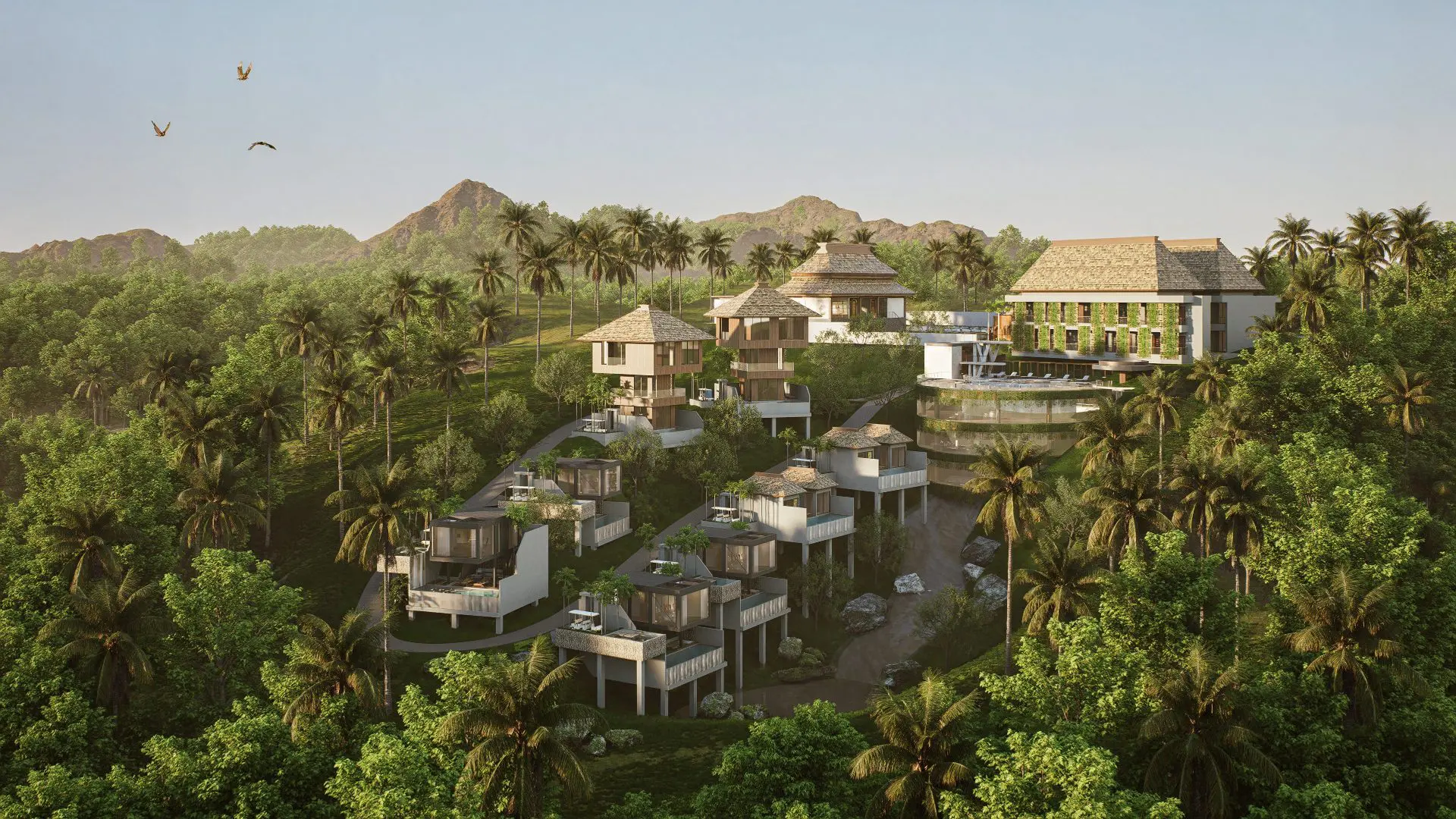
Designing a meaningful place is not just about arranging buildings on a piece of land, it is also about shaping how people experience a space like how they arrive, move, pause, and connect with their surroundings. This is where an urban design master plan becomes essential if you are trying to build a community in the middle of a city.
Without a clear direction, even the most beautiful architecture can feel disconnected. Spaces may function, but they lack identity, flow, and emotional impact. A well-crafted master plan brings everything together, creating a cohesive environment where every element has a purpose in it.
In places like Bali, where nature and culture are deeply intertwined, planning goes beyond structure. An urban design master plan becomes a way to design experiences to transform a site into something that feels alive, immersive, and connected to its environment.
Today’s article explores how thoughtful planning can shape impactful spaces through spatial vision, movement, and the integration of nature with Manon Design Studio. Let’s get started!
What Is an Urban Design Master Plan?
An urban design master plan is a comprehensive framework that organizes how a space is developed over time. It defines the arrangement of buildings, open areas, pathways, and natural elements to create a cohesive environment.
Rather than focusing on individual structures, this master plan looks at the bigger picture. It considers how people will move through the space, how different areas connect, and how the environment supports both function and experience.
At its core, this master plan is about creating harmony to ensure every element works together to form a unified and meaningful place.
Also Read: How Master Plan Services Design Builds Community
Why an Urban Design Master Plan Matters
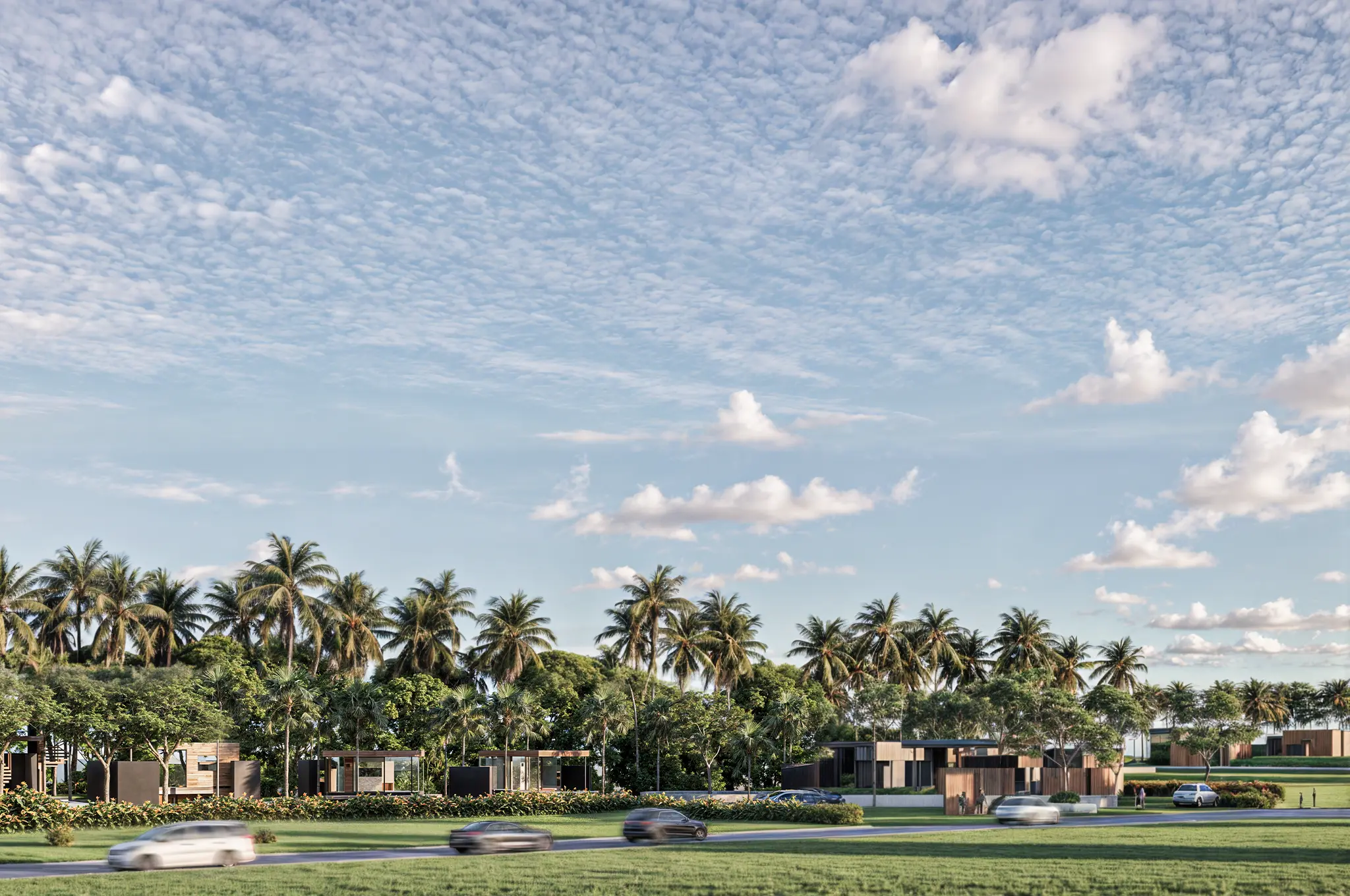
As we mentioned before, a strong urban design master plan does more than organize buildings, it sets the foundation for how a place will feel, function, and grow over time. When done right, it creates clarity from the very beginning and avoids the kind of disconnected development that often happens without a shared vision.
Here is why it matters:
1. It Creates Clarity and Prevents Fragmented Development
Without a master plan, your projects tend to grow in pieces; buildings are added one by one, often without a clear relationship to each other. Urban planning institutions like the American Planning Association and UN-Habitat emphasize that early-stage planning helps align land use, infrastructure, and public spaces into one coherent system.
The result… Of course it is a development that feels intentional, not accidental.
2. It Makes Spaces Easier to Understand and Move Through
Well-planned environments feel intuitive—you do not have to think too hard about where to go or how to move. It just works.
This idea is closely related to “legibility,” a concept introduced by Kevin Lynch in The Image of the City. He found that people experience cities better when spaces are clear, connected, and easy to read.
In practice, this means:
- smoother circulation
- clearer transitions between spaces
- and a more comfortable overall experience
3. It Supports Long-Term Growth Without Losing Identity
Good developments do not just work today, they adapt over time.
Organizations like the Urban Land Institute highlight that strong master plans provide a flexible framework, allowing projects to evolve while still maintaining a consistent character.
So even as new phases are added, the development still feels like one complete story.
4. It Aligns With Sustainability and Smarter Urban Living
Today, master planning also plays a key role in sustainability and smart city development.
According to UN-Habitat and global smart city frameworks, integrated planning helps a lot, including::
- reduce environmental impact
- improve energy and resource efficiency
- encourage walkability and healthier lifestyles
Instead of reacting to problems later, a strong plan anticipates them from the start.
5. It Improves Overall Quality of Life
At the end of the day, urban design is about people.
When spaces are thoughtfully planned, they do not just function better, but they feel better. There is a natural flow, a sense of comfort, and a stronger connection between people and their surroundings.
A master plan also is not just a technical document, it is a long-term vision. One that shapes not only how a place is built, but how it is experienced every day.
3 Important keys in Urban Design Master Plan
1. Spatial Vision
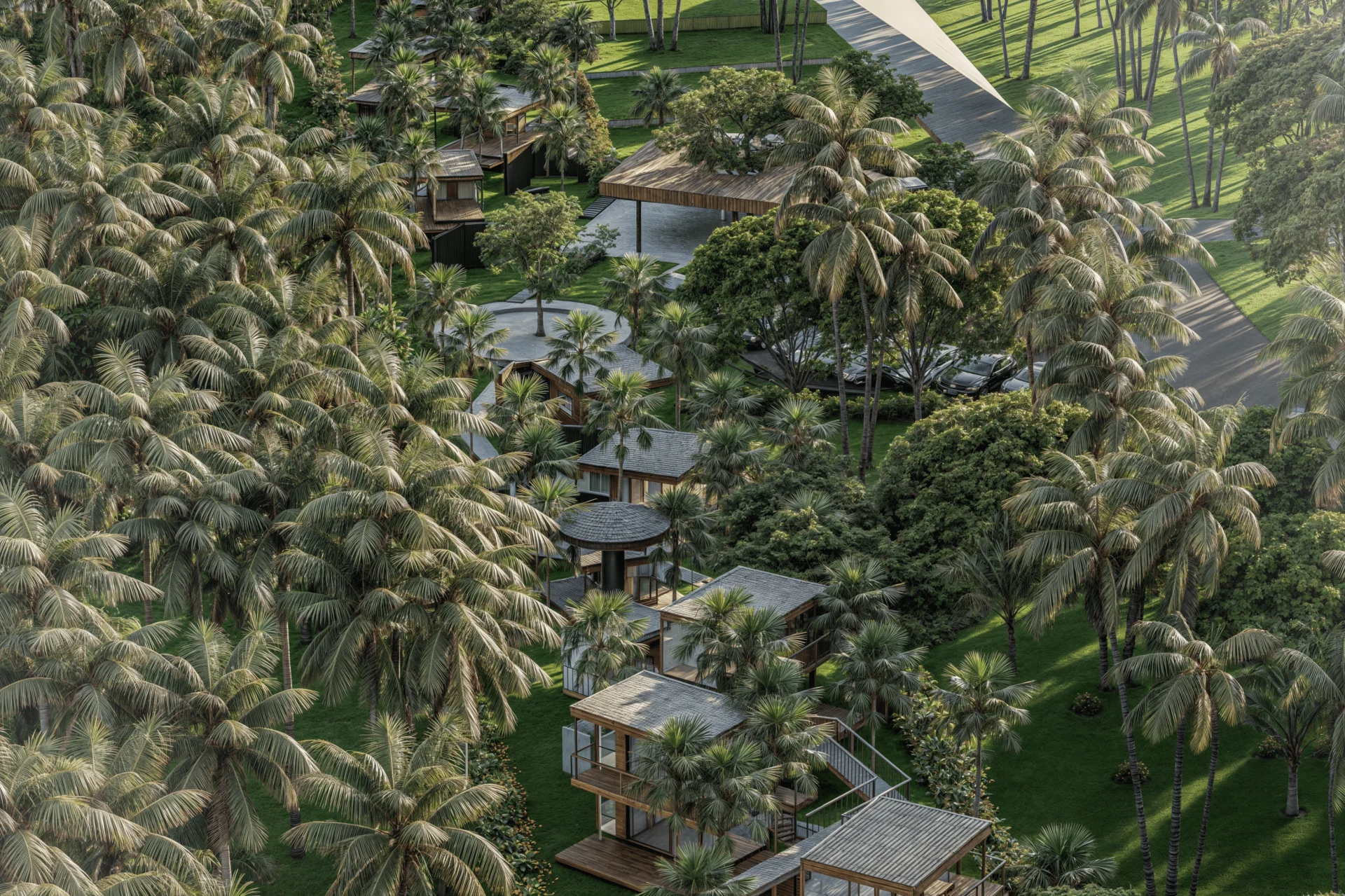
One of the most important ideas behind an urban design master plan is spatial vision. What is it? It is about seeing the project as a complete environment rather than a collection of separate buildings.
For example, a resort is not just a group of cabins placed across a site. With the right approach, it can feel like a small village within a forest where spaces are connected, layered, and full of character.
This is where the urban design master plan becomes a storytelling tool. It defines how spaces relate to each other, creating a sense of discovery and belonging.
Here, public areas, semi-private zones, and private spaces are carefully arranged to form a natural hierarchy. This structure allows people to move comfortably through the environment while experiencing different levels of interaction and privacy.
2. Movement and Journey
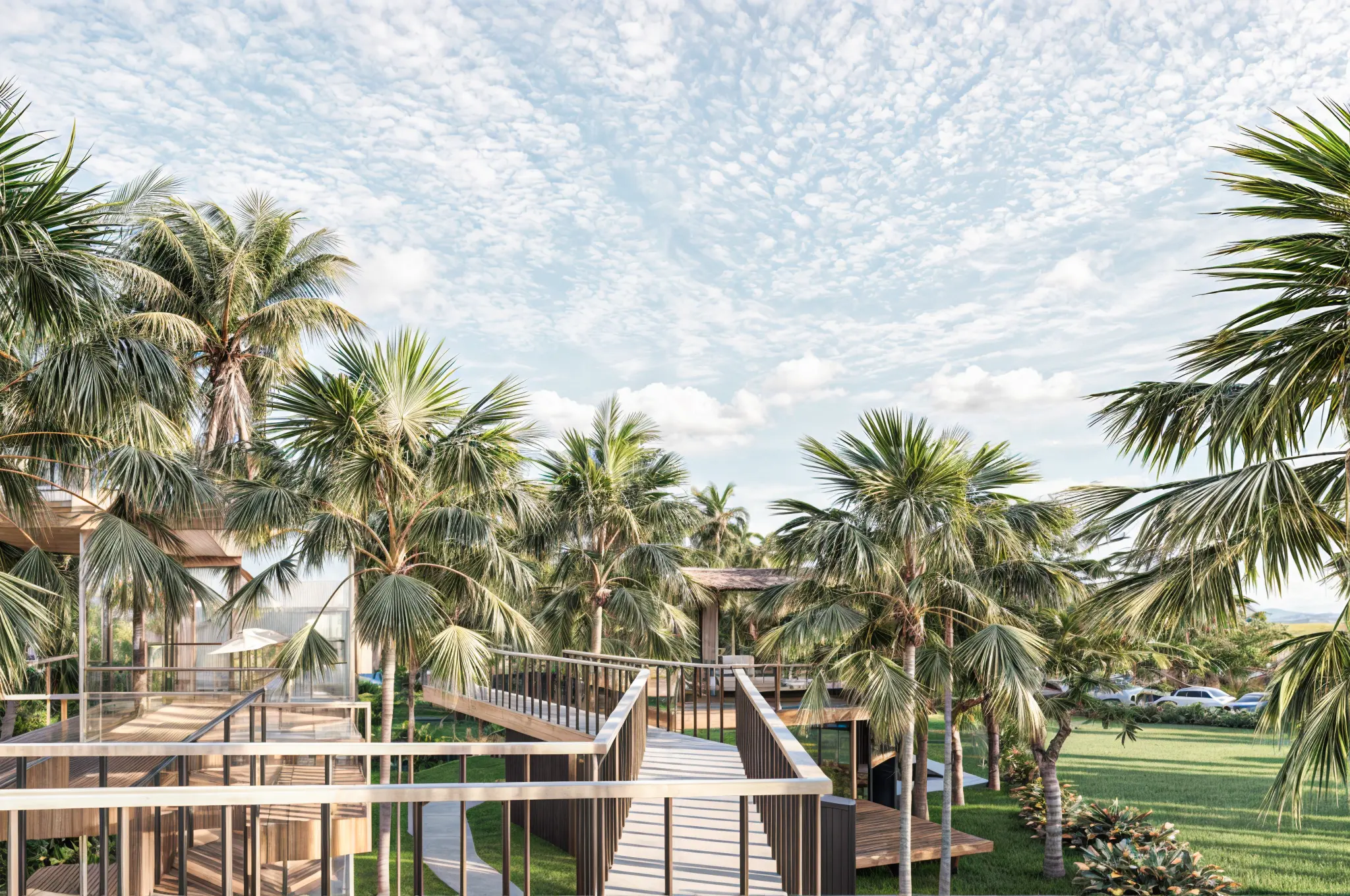
To create an impactful space with an urban design master plan, movement is often overlooked in design, but it plays a major role in how a place feels. A well-considered master plan treats pathways not just as connections, but as experiences.
Instead of designing paths purely for efficiency, they can be designed to slow people down. This idea of “slow movement” encourages moments of pause, reflection, and discovery.
Your pathway might curve gently through a landscape, revealing views gradually rather than all at once. It might pass through shaded areas, open clearings, or framed perspectives that guide attention. In this way, your master plan will shape not just where people go, but how they feel as they move through the space. The journey becomes just as important as the destination.
3. Nature as Infrastructure
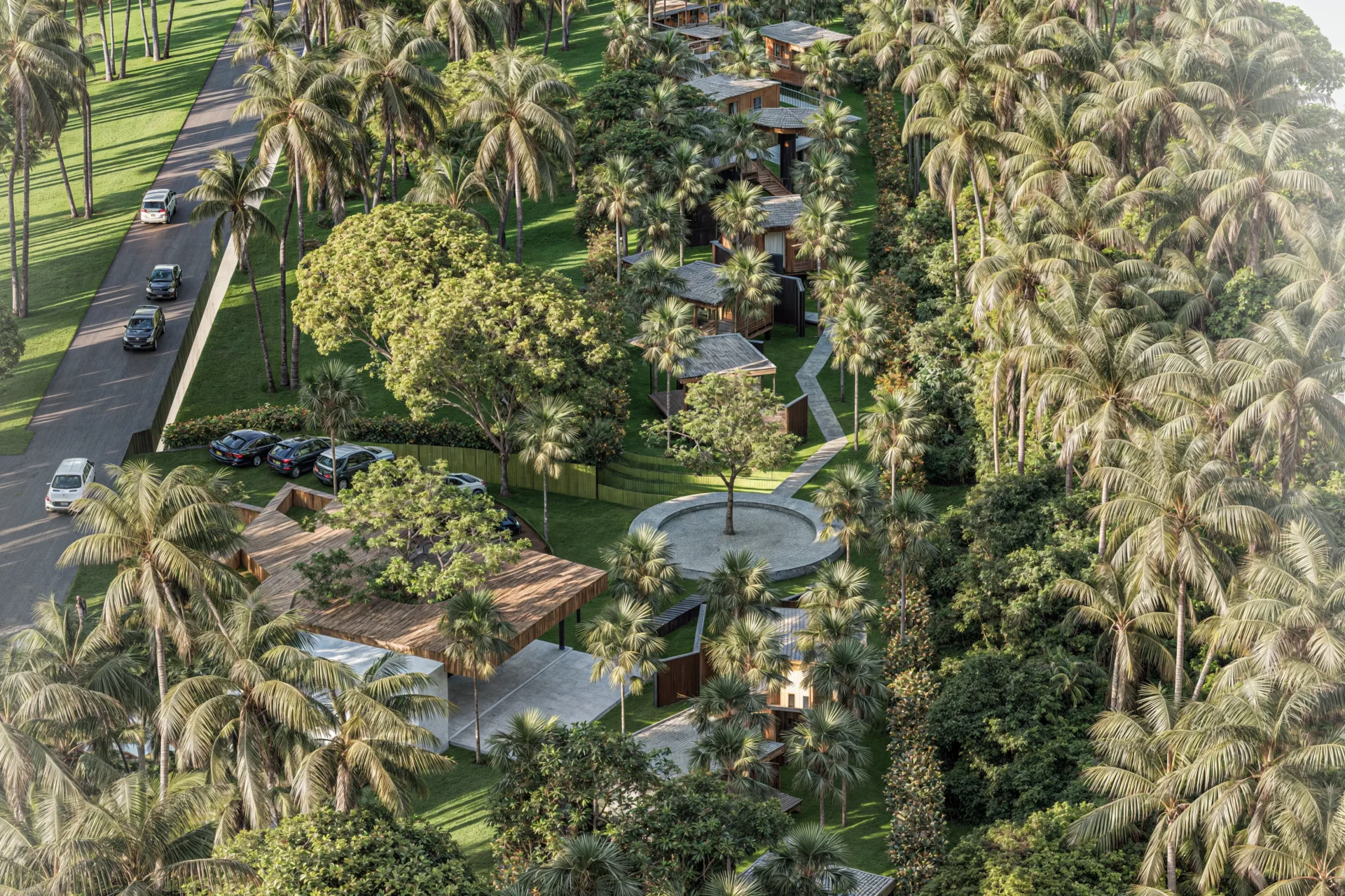
In many modern developments, nature is treated as decoration—something added after the design is complete. But in a thoughtful urban design master plan, nature becomes part of the system itself, for example:
- Trees provide natural shading.
- Landscapes guide water flow and drainage.
- Vegetation helps regulate temperature and improve comfort.
These elements are not secondary, but they are essential to the plan.
In environments like our beloved Bali, this approach is especially relevant. Designing with nature allows spaces to feel more connected and sustainable. By treating our nature as infrastructure, the master plan creates environments that are not only visually appealing but also functional and resilient.
Also Read: Master Plan Architecture and the Future of Urban Spaces
How Urban Design Master Plans Shape Real Projects
The impact of this master plan can be seen in how people experience a space over time. A well-planned environment feels intuitive where visitors understand where to go without needing clear instructions because spaces flow naturally from one to another which is creating a seamless experience.
Meanwhile, from a development perspective, the urban design master plan also adds value. Projects become more attractive, adaptable, and meaningful, they are not just places to visit or live—they become destinations with identity.
This is especially important for projects such as resorts, residential communities, and mixed-use developments, where experience plays a central role.
To better understand how a strong master plan comes to life, Manon developed a project that reflects this approach with our 2024 project - Medewi Solitary Cabin in Medewi, Jembrana, Bali.
Medewi Solitary Cabin
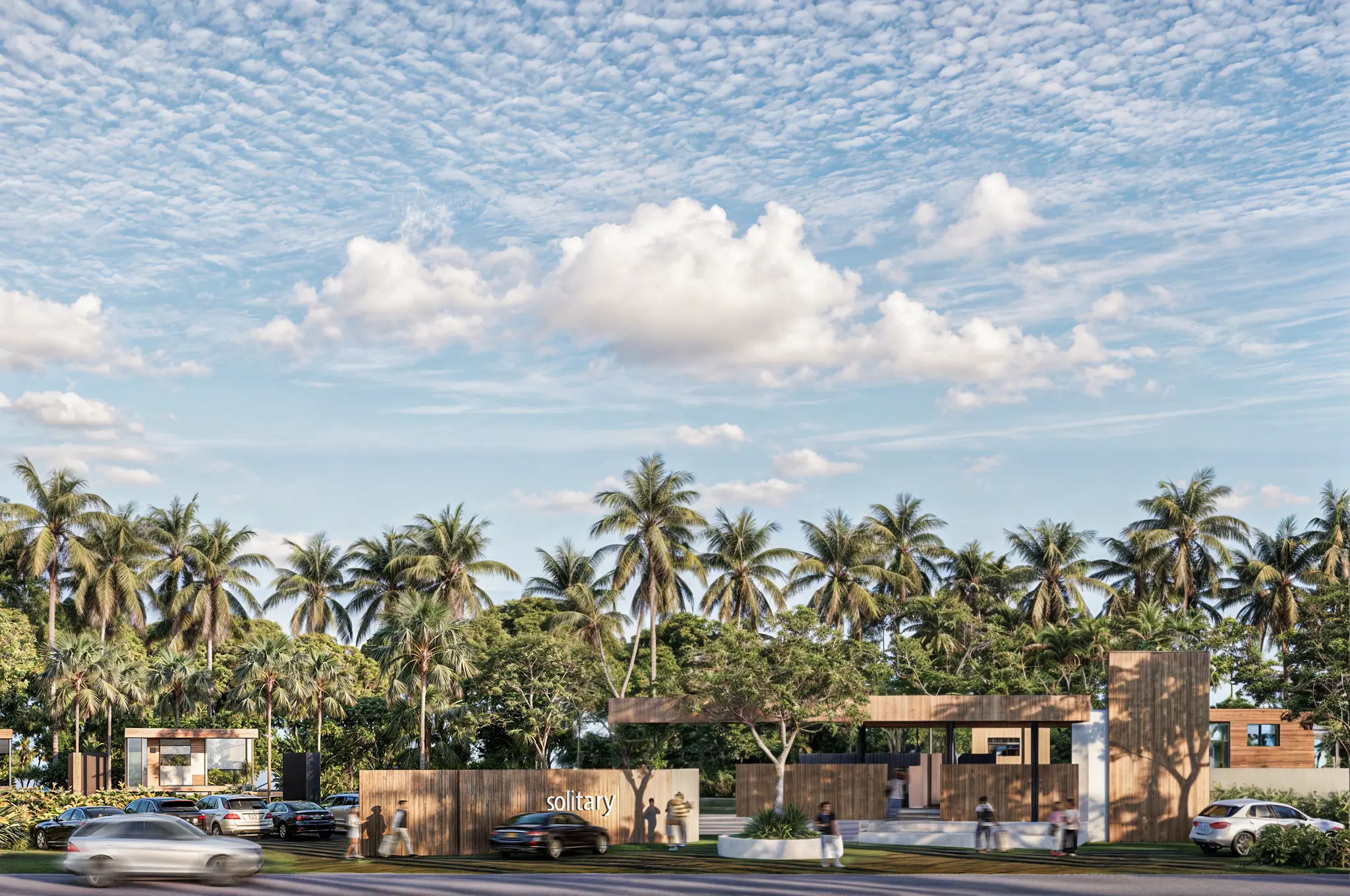
Set on a 5,300 m² beachfront site, our development is thoughtfully planned to include a parking area, lobby and lounge, foyer, eight single-storey cabins, five two-storey cabins, as well as shared facilities such as a restaurant, bar, swimming pool, pool lounge, and dedicated staff and service areas.
In this project, Medewi Solitary Cabin is an evolution of our previous cabin project in Kintamani. While Kintamani embraced the calm of the mountains, Medewi shifts the narrative toward the coast; introducing ocean views, sunsets, and sea breeze as the main elements of the experience.
Located along the quiet shoreline of Medewi—known for its laid-back surf culture—this project is designed to preserve that sense of calm and authenticity, rather than overdevelop it.
Design Approach
This project follows a modern tropical approach, where architecture blends naturally with its surroundings.
Natural materials like wood and stone are paired with clean glass elements, creating a balance between warmth and clarity.
Our design mostly focuses on a few key ideas, such as:
- Strong connection to nature and uninterrupted views
- Elevated structures inspired by tree-house living
- Minimal intervention to the existing landscape
- Seamless integration between built and natural environments
Spatial Planning and Facilities
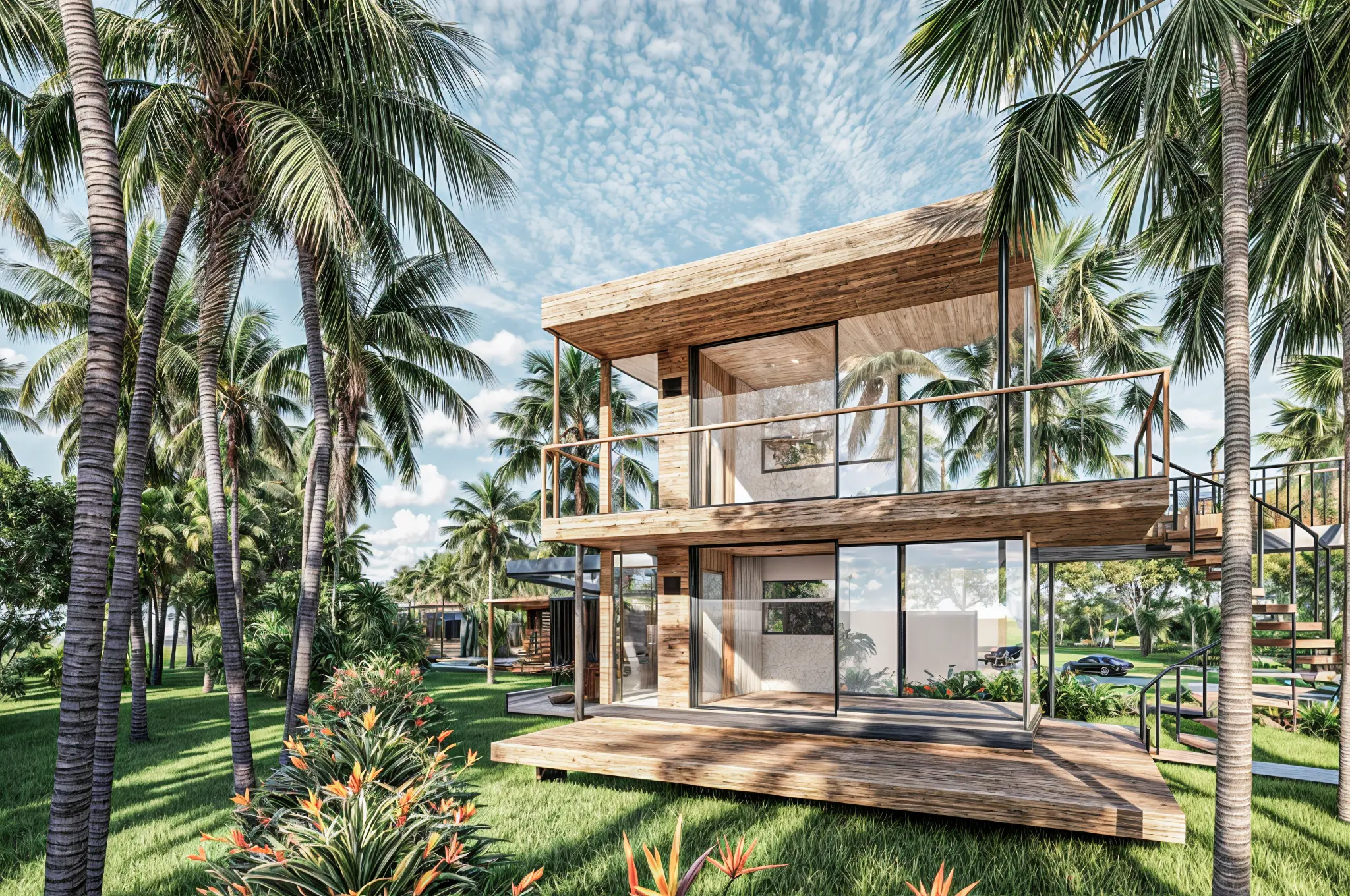
The master plan for this project is designed to create a clear flow between private and shared spaces, allowing guests to move naturally through the site.
1. Private Cabins
- Single-storey cabins offer a more simple, grounded experience
- Two-storey cabins provide elevated views of the ocean, accessed through stairs and a floating pathway
2. Shared Spaces
- Restaurant: Open layout with direct ocean views
- Swimming Pool: Positioned near the beachfront as a central relaxation point
- Bar: Designed for slow afternoons and evenings, with warm lighting and a relaxed tropical atmosphere
Experience Through Movement
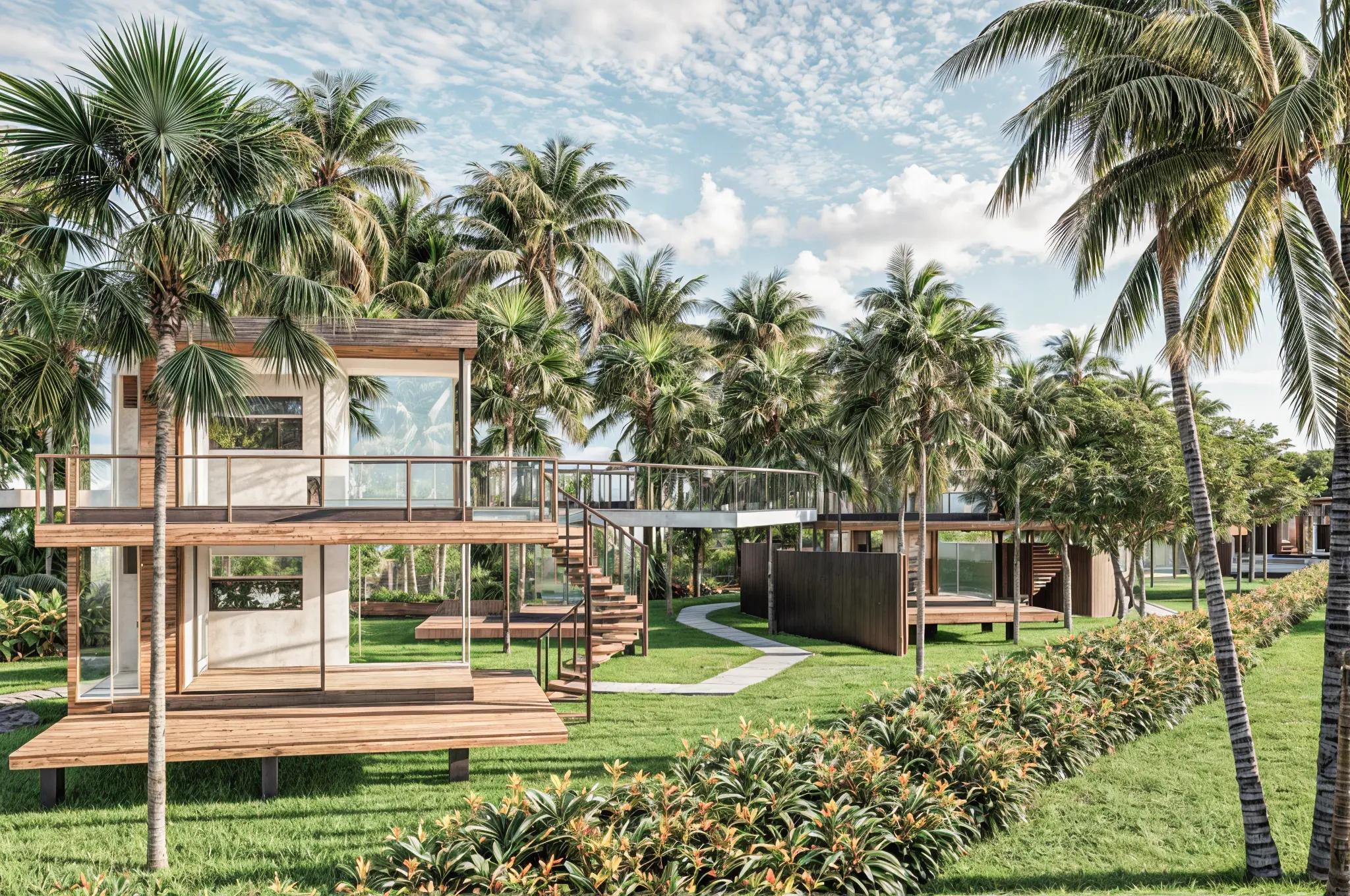
Movement through the site is intentionally designed as part of the experience. In Medewi Solitary Cabin, we built two different pathways to make the entire experience more flowy and joyful:
- Ground Pathways guide guests through tropical landscaping, allowing a closer connection to the earth and greenery
- Floating Pathways create a lighter, elevated journey—especially toward the two-storey cabins—offering wider views and a different spatial perspective
Every path here is designed not just for access, but for how it feels to move through space.
Living Experience
The focus is simple: connection to nature without distraction.
Here, guests are immersed in open ocean views, sunsets, and a landscape that feels natural and untouched. The architecture itself does not compete with its surroundings, it quietly frames and enhances them.
Target Audience
As the intent of our clients, Medewi Solitary Cabin is designed for:
- Travelers seeking calm and privacy by the beach
- Young couples, solo travelers, or small groups
- Those who appreciate boutique stays with strong design character
- Guests looking for a deeper connection to nature, not just a place to stay
This project reflects how a thoughtful master plan can shape not just buildings, but the entire experience of how people move, feel, and connect within a place.
Urban Design Approach by Manon Design Studio
At our design studio, the urban design master plan is approached as a balance between human experience, spatial clarity, and environmental context. Each project begins by understanding how people will interact with the space. From there, our planning focuses on creating natural movement, meaningful transitions, and a strong connection to the surrounding landscape.
It is proven by the Medewi Solitary Cabin project which is inspired by Bali’s unique environment.
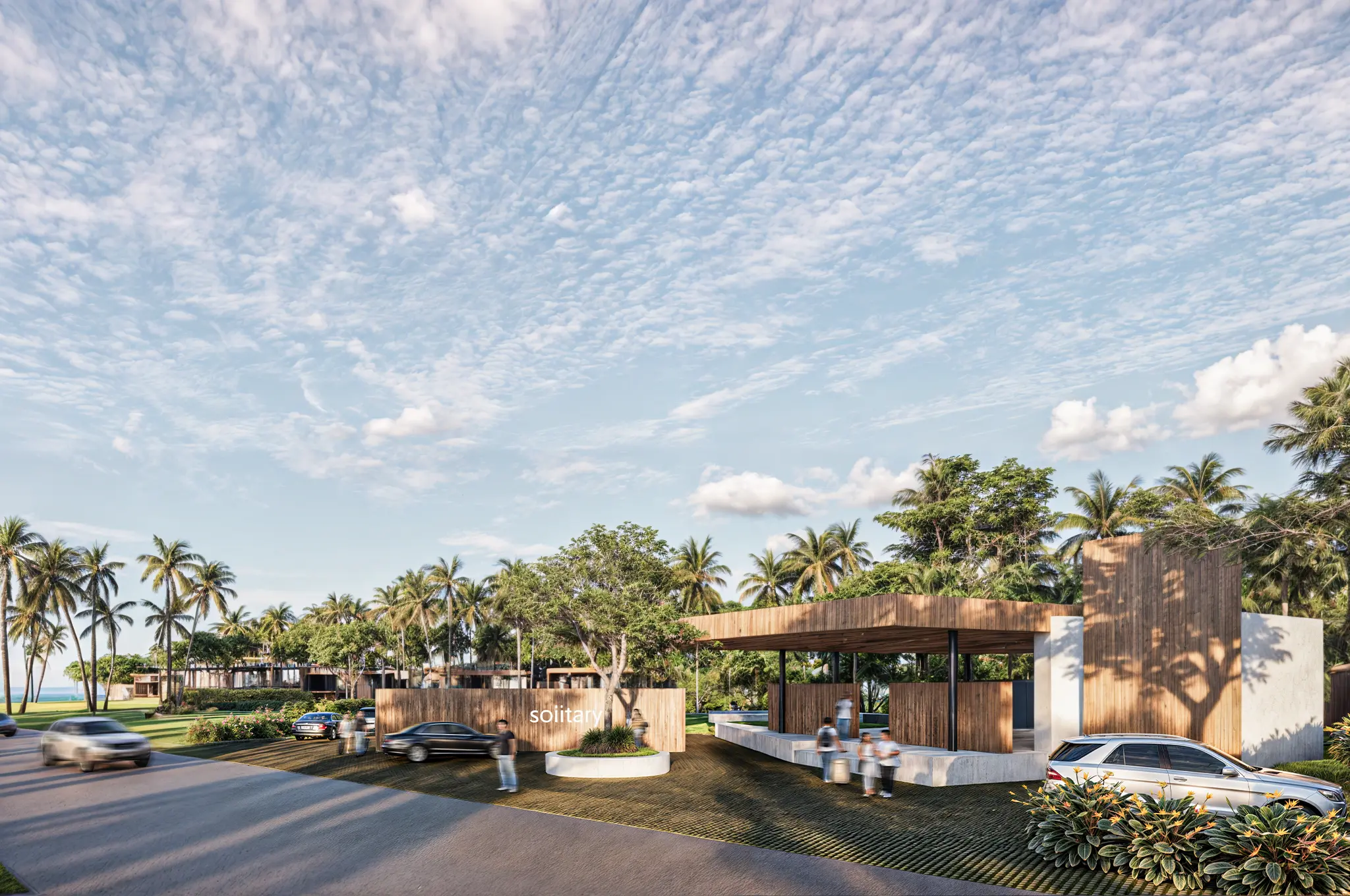
Guided by our values, we naturally integrate elements of nature into every stage of the planning process. It is what allows the spaces we design to feel more open, breathable, and genuinely connected to their surroundings.
For us, urban design master planning is never just a technical step, but it is where everything begins. It sets the tone for how a space will be experienced—how it flows, how it feels, and how people connect within it. More than a framework, it becomes the foundation for creating environments that are immersive, memorable, and ready to grow with our clients’ ideas over time.
If you have planned projects that aim to create lasting impact, our well-crafted master plan is the starting point for turning your ideas into environments that truly come to life.
Ready to start? Reach out to us today!